
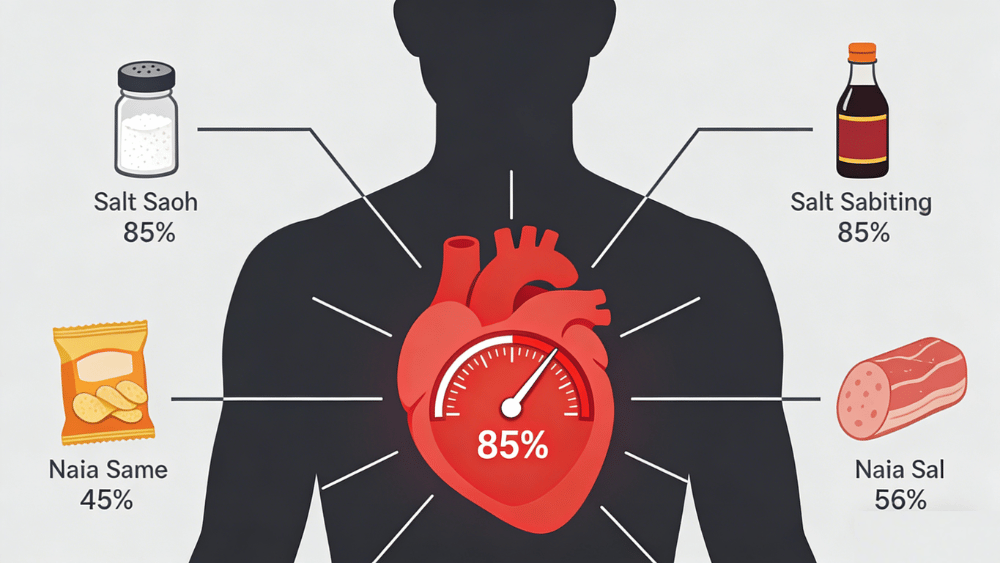
Sodium is an essential mineral and electrolyte that helps your body maintain fluid balance, supports nerve function, and enables muscles to contract properly. The vast majority of sodium is found in your blood and the fluid surrounding your cells. The kidneys regulate this balance by filtering excess sodium out of the blood and into the urine, keeping it within a safe limit. Serum sodium is tightly regulated because even slight fluctuations can cause significant health issues, particularly for the cardiovascular system.
But when the kidneys aren’t working well, or sodium builds up faster than the body can remove it, hypernatremia occurs. This condition can increase blood volume, putting immense strain on the blood vessels and heart. In severe cases, hypernatremia may cause dangerously high blood pressure, heart failure, or stroke. So, read on to learn about the relationship between high sodium and heart health, what to watch for, treatment, and management strategies.
What Happens When Sodium Gets Too High?
Hypernatremia is a condition where the level of sodium in your blood is too high. The body typically keeps sodium levels between 135 and 145 milliequivalents per liter (mEq/L). When levels go above 145 mEq/L, it’s called hypernatremia. Mild hypernatremia may not cause immediate symptoms, but when sodium levels rise too high, it can lead to severe dehydration of cells and significant cardiovascular stress. It draws water out of the body’s cells and into the bloodstream, increasing blood volume and pressure, which forces the heart to work harder. If treatment is not started on time, this can quickly progress to confusion, seizures, or coma.
The heart’s ability to pump blood efficiently relies on a balanced fluid volume within the circulatory system. Too much sodium floods this system with excess fluid, stiffening blood vessels and increasing the workload on the heart muscle. In the United States, studies estimate that high sodium intake is a leading dietary risk factor for death. The risk is significantly higher in older adults and those with compromised kidney function, where the thirst mechanism or sodium excretion is impaired. One primary-source study found that hypernatremia in hospitalized patients is associated with a mortality rate ranging from 30% to 40%, emphasizing the severity of the condition. In intensive care settings, the prevalence of acquired hypernatremia can be alarmingly high, reflecting critical fluid imbalances.
What Signs To Look for High Sodium Levels?
Hypernatremia usually has subtle symptoms in the initial stages, often masquerading as simple thirst. But as sodium levels rise in the blood, they begin to affect the brain, muscles, and, importantly, the heart. The following are the symptoms to observe, along with the reasons why they occur:
High Blood Pressure or Hypertension
When sodium accumulates, it holds onto water to dilute the excess mineral. This increases the total volume of blood flowing through your blood vessels. Your heart must pump harder to move this increased volume, significantly raising blood pressure. Over time, this constant pressure damages arterial walls, making them stiffer and narrowing the path for blood flow. This happens consistently in those with high-sodium diets, often before other acute symptoms appear.
Swelling or Edema
While the kidneys try to flush out excess sodium, they often can’t keep up. The body retains water to compensate, leading to fluid accumulation in the tissues. You may notice your shoes feel tight, your rings won’t fit, or your ankles appear puffy and swollen. This fluid retention, or edema, is a classic sign that your body is holding onto too much sodium and water, placing extra burden on the heart to circulate fluid against gravity.
Headaches or Dizziness
Excess sodium changes the balance of fluids in your body, drawing water out of cells and into the bloodstream. This cellular dehydration can affect the brain, leading to persistent headaches or lightheadedness. Disruptions in blood flow and pressure caused by sodium spikes can also contribute to sudden dizziness, especially when standing up quickly.
Shortness of Breath
When hypernatremia is severe or chronic, the extra fluid volume can back up into the lungs. This condition, known as pulmonary edema, makes it difficult to breathe. In addition, if the heart is struggling to pump against high pressure, oxygen delivery becomes inefficient, and one would breathe rapidly or feel winded even with minimal exertion.
Irregular Heartbeat or Palpitations
Sodium is crucial for electrical signaling, but imbalances often disrupt other electrolytes, such as potassium and calcium. When its levels are too high, it can indirectly disturb the heart’s electrical stability. This can cause palpitations, a racing heart, or an irregular rhythm. Severe cases can strain the heart muscle so much that it leads to atrial fibrillation.
Fatigue or Weakness
Your muscles and nerves require a precise electrolyte balance to function correctly. When sodium levels are too high, it leads to cellular dehydration and impaired nerve transmission. Your body can feel heavy, drained, or incredibly weak as a result. You may find everyday tasks exhausting because your cells are literally starved of the water they need to generate energy efficiently.
Chest Pain or Tightness
If high sodium elevates blood pressure severely, it increases the heart’s oxygen demand while simultaneously hardening arteries that supply blood to the heart. This can bring on angina—chest tightness or discomfort. Sometimes, it may be an indication of a hypertensive crisis or impending heart attack. Chest pain in the context of high sodium intake is a serious warning sign that the cardiovascular system is overloaded.
What Causes Sodium Levels to Become Too High?
In people with poor dietary habits or underlying health issues, the risk of developing high sodium levels is substantial; millions of adults exceed recommended limits daily. It can happen for several reasons. However, the most common causes are discussed as follows:
Excessive Sodium Intake
Consuming too much salt is the primary driver of high sodium levels for most people. Diets heavy in processed foods, canned soups, fast food, and salty snacks load the body with far more sodium than it needs. The American Heart Association recommends no more than 2,300 mg a day, yet the average intake is often over 3,400 mg. When the intake constantly exceeds the kidneys’ ability to filter it out, sodium builds up in the blood. This “dietary hypernatremia” is a chronic issue that slowly damages the cardiovascular system over the years.
Kidney Problems
The kidneys are the body’s primary filter for removing excess sodium. If the kidneys are not working correctly, like in chronic kidney disease (CKD) or kidney failure, sodium accumulates in the blood. Studies show that as kidney function declines, the ability to regulate sodium balance diminishes significantly. This is a critical cause of hypernatremia, as the body loses its primary mechanism for maintaining electrolyte equilibrium, leading to fluid retention and high blood pressure.
Dehydration
Hypernatremia is fundamentally a problem of water balance relative to sodium. When you lose too much water—through excessive sweating, severe diarrhea, vomiting, or high fevers—the remaining sodium in your blood becomes more concentrated. This “concentrating effect” leads to high sodium levels even if your total salt intake hasn’t changed. It is particularly common in elderly individuals who may have a reduced sense of thirst and do not drink enough fluids to offset daily losses.
Certain Medications
Some medicines can disrupt the body’s natural sodium-water balance. Corticosteroids like prednisone cause the kidneys to retain sodium and fluid. While intended to help, certain blood pressure medications can alter electrolyte balance if not monitored. Additionally, osmotic diuretics like mannitol can cause water loss that exceeds sodium loss, leading to hypernatremia. People taking these medications should monitor their fluid intake and get blood tested regularly to ensure levels remain safe.
Hormonal Imbalances
The adrenal glands produce aldosterone, a hormone that regulates sodium retention. In conditions like hyperaldosteronism (Conn’s syndrome) or Cushing’s syndrome, the body produces too much aldosterone or cortisol. This hormonal excess signals the kidneys to hold on to sodium while excreting potassium. This imbalance causes chronic hypernatremia and hypertension, which are difficult to treat with diet alone and often require specific medical intervention to correct the hormonal source.
How Can High Sodium Levels Affect The Heart?
The heart relies on a balanced environment to pump efficiently. If sodium levels rise too much, the cardiovascular system faces immense mechanical and chemical stress. The following are the consequences if your sodium levels remain too high for a long time:
High Blood Pressure (Hypertension)
High sodium levels force the body to hold onto water to dilute the blood. This extra fluid increases blood volume, which pushes harder against artery walls. Over time, this sustained pressure causes hypertension. High blood pressure forces the heart to pump against greater resistance, leading to thickening of the heart muscle (left ventricular hypertrophy). This condition is a major precursor to more severe heart diseases and is directly linked to chronic excess sodium intake.
Heart Failure
When the heart has to pump excess fluid volume constantly due to sodium retention, it eventually weakens. The heart muscle may become stiff or stretched and lose its ability to pump blood effectively. This condition, known as heart failure, means the heart cannot meet the body’s demands. Fluid buildup in the lungs and extremities (edema) worsens the situation. High sodium intake is a primary trigger for exacerbating heart failure symptoms and increasing hospitalizations in patients with existing heart conditions.
Irregular Heartbeat (Arrhythmia)
Excess sodium alters the delicate electrolyte balance required for nerve impulses and muscle contractions. While sodium itself is vital, its excess often depletes potassium and magnesium. This imbalance disrupts the electrical signals that coordinate the heartbeat. It can cause arrhythmias, such as atrial fibrillation, where the heart beats chaotically. These irregular rhythms allow blood to pool in the heart, increasing the risk of clots and stroke.
Heart Attack Risk
High sodium contributes to the hardening and narrowing of arteries (atherosclerosis) by damaging the inner lining of blood vessels through high blood pressure. This makes it easier for cholesterol plaques to form and eventually rupture. When a plaque ruptures, it can block blood flow to the heart muscle, causing a heart attack. Studies consistently show a correlation between high urinary sodium excretion (a marker of intake) and increased risk of cardiovascular events, including myocardial infarction.
Stroke
The link between high sodium, hypertension, and stroke is well-established. High blood pressure caused by excess sodium damages the blood vessels in the brain, making them more likely to burst (hemorrhagic stroke) or become blocked by a clot (ischemic stroke). By stiffening blood vessels and promoting high blood pressure, chronic hypernatremia significantly elevates the risk of cerebrovascular accidents. Reducing sodium intake is often among the first preventive measures prescribed to lower stroke risk.
How Does a Doctor Diagnose Hypernatremia?
The effects of high sodium on the heart and the rest of the body are diagnosed using a standard blood panel that measures electrolyte levels in your bloodstream. If the result shows a sodium level above 145 milliequivalents per liter (mEq/L), it indicates hypernatremia. If levels are high, your doctor will likely conduct a physical exam to check for signs of dehydration or fluid overload, such as skin turgor and blood pressure. Accurate diagnosis is crucial because treatment differs depending on whether the cause is fluid loss or salt overload.
Important tools for assessing how high sodium affects the heart include blood pressure monitoring and cardiac imaging. Since hypertension is the most common consequence of high sodium intake, regular checks are vital. Additionally, an electrocardiogram (ECG) may be used to check for heart strain or enlargement (hypertrophy) caused by pumping against high pressure. Urine tests are also essential; they measure urine sodium and osmolality to determine if the kidneys are dumping sodium correctly or retaining it. These diagnostic steps help doctors pinpoint the root cause—whether it’s dietary, hormonal, or kidney-related—and decide on the best treatment plan to protect cardiovascular health.
What Treatments Can Help Lower High Sodium?
Treatment depends on how high the sodium is and what’s causing it. Do the following to manage high sodium in heart patients:
Diet Changes
In chronic hypernatremia caused by diet, reducing sodium intake by avoiding sodium-rich foods like processed meats, canned soups, salty snacks, and fast food is the first line of defense. This is especially important for people with hypertension or heart failure, where the body struggles to handle excess fluid. Adopting the DASH (Dietary Approaches to Stop Hypertension) diet, which emphasizes fruits, vegetables, and low-fat dairy while limiting salt intake, helps maintain safer blood sodium levels. Reading nutrition labels to identify “hidden sodium” in breads and sauces is also critical.
Increasing Water Intake
If hypernatremia is caused by dehydration (fluid loss), simply drinking more water is often the most effective treatment. Rehydration helps dilute the blood’s sodium levels, bringing them back to a normal range. For elderly patients or those who cannot drink enough fluids due to illness, oral rehydration solutions that contain balanced electrolytes may be recommended. It is vital to increase fluid intake gradually to allow the body to adjust safely.
Stopping or Adjusting Medications
Some medications raise sodium levels or cause fluid retention. Doctors may stop or adjust drugs like corticosteroids, certain antidepressants, or non-steroidal anti-inflammatory drugs (NSAIDs). This helps reduce sodium retention and lowers blood pressure. If a patient is on lithium or osmotic diuretics that are causing water loss, the dosage may need to be modified. A medication review is a standard step in managing unexplained sodium spikes.
Diuretics
Diuretics, or “water pills,” can help the kidneys remove excess sodium and fluid through urine. Thiazide diuretics or loop diuretics like furosemide are commonly prescribed for patients with heart failure or hypertension. These drugs trigger the kidneys to release sodium into the urine, which pulls water with it, effectively lowering blood volume and pressure. However, they must be used carefully under medical supervision to avoid dehydration or electrolyte imbalances like low potassium.
IV Fluids
In hospital settings or severe cases where oral hydration isn’t possible, intravenous (IV) fluids are used. Doctors typically administer hypotonic saline or dextrose solutions that contain less sodium than blood. This slowly corrects the imbalance. The rate of fluid administration is carefully calculated; lowering sodium too quickly can cause dangerous brain swelling (cerebral edema). Clinical guidelines emphasize a slow, controlled reduction of sodium levels over 24 to 48 hours.
Dialysis
In patients with severe kidney failure who cannot filter sodium at all, dialysis is the necessary treatment. Dialysis machines filter blood directly, removing excess sodium, toxins, and fluid that the damaged kidneys cannot handle. This is a life-saving intervention for end-stage renal disease patients who develop dangerous hypernatremia. Dialysis allows for precise control over electrolyte levels and fluid volume, preventing heart failure and other fatal complications.
How to Deal With a Hypernatremia Emergency?
In emergencies, where sodium levels are dangerously high (usually above 160 mEq/L) or when the patient exhibits severe symptoms like seizures or confusion, quick treatment is essential to prevent permanent brain damage or cardiac collapse. You should call 911 immediately and follow the medical team’s guidance for hypernatremia emergency management:
- Stabilize the Patient: Establish IV access immediately to begin fluid resuscitation if the patient is in shock or severely dehydrated.
- Monitor Heart Function: Continuously monitor blood pressure and heart rate, as rapid fluid shifts can strain the cardiovascular system.
- Administer IV Fluids: Start hypotonic fluids (like 5% dextrose or 0.45% saline) to dilute blood sodium, but do so slowly to prevent cerebral edema.
- Use Diuretics if Overloaded: If the patient has fluid overload (edema) and high sodium, administer loop diuretics to help excrete salt and water.
- Initiate Dialysis if Needed: In cases of renal failure or toxic sodium ingestion, emergency dialysis may be required to rapidly lower levels safely.
- Track Neurological Status: Perform frequent checks on mental status and reflexes, as these are the first indicators of brain swelling or recovery.
Managing High Sodium to Protect Your Heart!
Sodium and heart health are inextricably linked. It is a key mineral that maintains fluid balance, but too much of it acts as a silent poison to the cardiovascular system. When your sodium levels get too high, a condition called hypernatremia can occur. It can raise your blood pressure significantly and lead to serious heart problems like heart failure, stroke, or heart attack. That’s why it’s essential to know the signs, such as swelling, persistent thirst, or high blood pressure readings, and consult a doctor if you’re at risk. Luckily, lifestyle changes like adopting a low-sodium diet, staying hydrated, and managing medications are highly effective treatments.
Since high sodium is a major modifiable risk factor for heart disease, taking control of your salt intake is one of the best things you can do for your longevity. If you experience sudden chest pain or severe shortness of breath, seek help immediately. Health professionals recommend checking nutrition labels and cooking at home more often to control what goes into your body. Small changes in your daily diet can lead to massive improvements in your heart health and overall quality of life.