
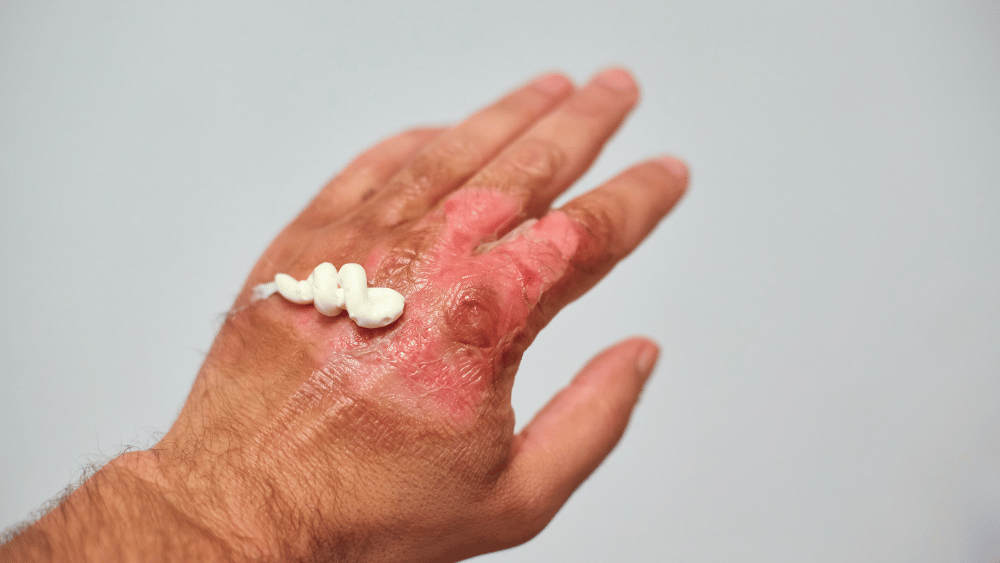
A burn is a painful injury caused by heat, radiation, electricity, or chemicals that destroys skin cells. While many burns are minor and happen within the safety of our homes, others can be severe, life-threatening emergencies. Immediate action is crucial to halt tissue damage. There are two main priorities when administering first aid for burns:
- Stop the burning process: Remove the heat source and cool the skin to prevent deeper injury.
- Prevent infection: Keep the damaged skin clean and protected from bacteria.
Prepared individuals should administer first aid immediately, as prompt care significantly improves recovery outcomes. It is vital to assess the injury quickly before treating it. There are different guidelines for treating burns based on their depth and severity.
- For first-degree burns: The focus is on cooling the area and relieving pain.
- For second-degree burns: Care involves protecting blisters and preventing infection.
- For third-degree burns: Immediate emergency medical help is required, and water should typically not be applied to large areas to prevent hypothermia.
The best way to ensure you are ready is to learn proper first-aid protocols through a certified course. It is essential to treat the wound until pain subsides or medical help arrives. It is vital to avoid common myths, such as applying ice, which can further damage tissue. Proper knowledge can reduce scarring and save lives.
Who Needs to Know First Aid for Burns?
Anyone who manages a household, works in a kitchen, or supervises others should understand the basics of burn care. Specific groups include:
- Parents
- Teachers
- Healthcare workers
- Chefs and kitchen staff
- Construction workers
- Campers and outdoor enthusiasts
- Electricians
- Childcare providers
- Factory workers
- Hairdressers
- Laboratory technicians
- Waitstaff
Additionally, anyone who handles chemicals or works around open flames should also be trained in first aid. Burn injuries are among the most common household accidents. Whether it is a scald from hot coffee or contact with a hot stove, the risk is always present. Knowing how to react instantly prevents a minor accident from becoming a major medical issue.
4 Most Asked Questions on Google
Here is a list of the top 4 FAQs regarding first aid for burns:
1. What are the different types of burns?
Understanding the type of burn is the first step in deciding how to treat it. Burns are classified by severity: first, second, and third-degree.
- First-degree burns are superficial. They affect only the outer layer of skin (epidermis), causing redness and pain but no blisters.
- Second-degree burns are partial-thickness injuries. They reach the second layer of skin (dermis), resulting in severe pain, swelling, and blistering.
- Third-degree burns are full-thickness injuries. They destroy both layers of skin and may damage underlying tissue. The skin may appear white or charred, and the area may be numb due to nerve damage.
Identifying the severity determines whether you can treat it at home or need to rush to a hospital. While first-degree burns are manageable, third-degree burns always require professional medical intervention.
2. What is the first thing to do for a burn?
The immediate response to a burn can dictate how well the injury heals. The universal standard for first aid is to run cool (not cold) tap water over the burn for 10 to 20 minutes. This helps dissipate the heat trapped in the skin and stops the burning process.
Do not use ice, as extreme cold can restrict blood flow and further damage the tissue. Furthermore, avoid applying butter, toothpaste, or greasy ointments immediately after the injury. These substances trap heat inside the skin and can increase the risk of infection. If clothing is stuck to the burn, do not peel it off yourself; leave that for medical professionals. However, do remove tight items, such as rings or watches, from the affected area before swelling begins.
3. When should I seek medical attention for a burn?
“Do I need to go to the doctor?” is a critical question. You should seek immediate professional care if the burn is larger than the size of the victim’s palm or if it is a deep (third-degree) burn.
Additionally, always seek help if the burn is located on sensitive areas such as the face, hands, feet, genitals, or major joints like the knees or elbows. Burns in these areas can cause functional impairment or severe scarring. You must also seek help for all chemical and electrical burns, as the internal damage may be worse than what is visible on the skin. Finally, if the victim is a young child, an elderly person, or has a weakened immune system, professional evaluation is safest.
4. Can I treat a burn at home?
Yes, you can treat minor burns at home effectively. Home treatment is sufficient for most first-degree burns and minor second-degree burns (less than 3 inches in diameter). Once you have cooled the burn with water, clean the area gently with mild soap and water.
You can apply a thin layer of antibiotic ointment or aloe vera gel to keep the area moist and soothe the skin. Cover the burn with a sterile, non-stick bandage or clean cloth to protect it from friction and dirt. Over-the-counter pain relievers like ibuprofen can help manage discomfort. However, never pop blisters yourself, as they serve as a natural barrier against bacteria. If you notice signs of infection later, such as increased redness, pus, or fever, see a doctor immediately.
Conclusion
Understanding first aid for burns empowers you to act decisively during an emergency. Whether it is cooling a minor kitchen scald or recognizing a severe injury that needs a surgeon, your knowledge protects the victim. Proper immediate care minimizes pain and reduces the risk of long-term damage.
However, reading an article is just the first step. To be truly prepared, consider enrolling in a certified first aid course today. These courses provide hands-on training that can make a difference when seconds count. Equip yourself with the skills to handle emergencies confidently. Start learning now