
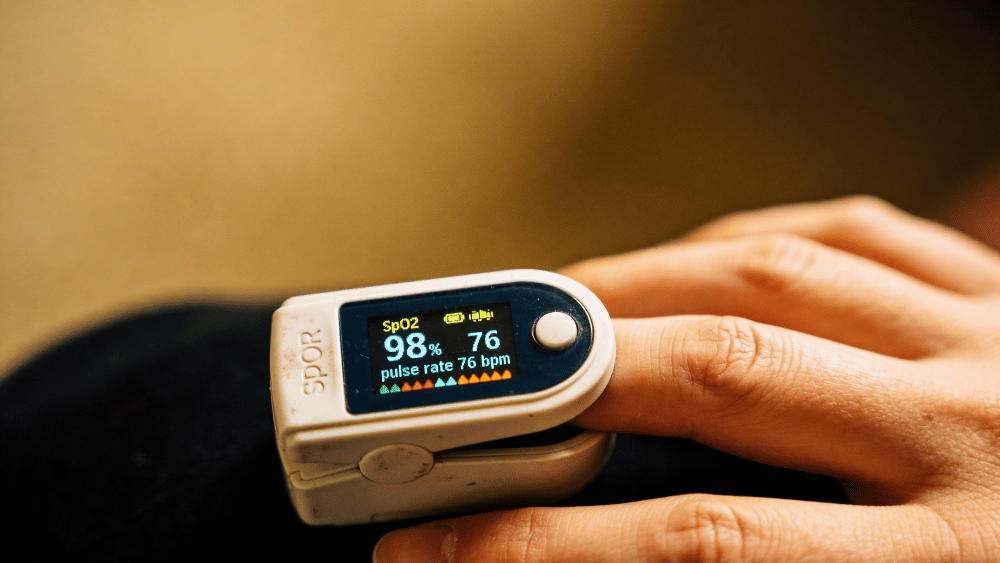
Pulse oximeters have become essential medical devices, offering a quick and painless way to measure critical vital signs. These small, clip-like devices are commonly used in hospitals, clinics, and even at home to monitor a person’s blood oxygen saturation and heart rate. In an age where health monitoring is more accessible than ever, understanding how these devices work is crucial.
By simply placing a pulse oximeter on a fingertip, you can get an immediate reading of your blood oxygen level (SpO2). This is vital for detecting hypoxia, a condition where the body doesn’t get enough oxygen, which can be a sign of serious respiratory or circulatory problems. This blog will explore the functionality, benefits, and limitations of pulse oximeters, providing a comprehensive guide to help you understand and use these powerful tools effectively for health monitoring.
What is the Importance of Pulse Oximeters?
When it comes to monitoring your health, especially respiratory and cardiovascular wellness, a pulse oximeter is an invaluable tool. It provides a non-invasive window into how well your body is distributing oxygen, which is critical for cellular function and overall health. Here is why pulse oximeters are so important.
Monitors Oxygen Saturation (SpO2)
The primary function of a pulse oximeter is to measure the oxygen saturation level in your blood (SpO2). This reading indicates what percentage of your blood is saturated with oxygen. A regular reading is typically between 95% and 100%. The device allows for the early detection of hypoxia (low blood oxygen), which can be a sign of various health issues, including lung disease, heart problems, or sleep apnea. Monitoring SpO2 helps individuals and healthcare providers intervene before the condition becomes severe.
Tracks Heart Rate
In addition to oxygen levels, a pulse oximeter also measures your pulse rate, or heart rate. This is displayed as beats per minute (BPM). Tracking your heart rate provides real-time data to assess your cardiovascular health. Whether at rest or during physical activity, monitoring your heart rate helps you understand how your heart responds to different stressors and can identify irregularities that may require medical attention.
Supports Respiratory Conditions
For individuals with chronic respiratory conditions like Chronic Obstructive Pulmonary Disease (COPD), asthma, or pneumonia, a pulse oximeter is a critical management tool. It allows them to monitor their oxygen levels at home and identify when they might be dropping, indicating a flare-up or worsening of their condition. During the COVID-19 pandemic, pulse oximeters became widely used to monitor for “silent hypoxia,” where oxygen levels drop dangerously low without causing noticeable shortness of breath.
Reduces Human Error
In a medical setting or at home, accurately assessing a person’s condition can be challenging based solely on symptoms. A pulse oximeter provides objective, numerical data that reduces the guesswork. Instead of relying on subjective feelings of breathlessness or skin color, which can be misleading, the device provides precise measurements of oxygen saturation and heart rate, enabling more accurate health assessments and timely interventions.
Builds Confidence for Users
For patients managing a chronic illness or caregivers monitoring a loved one, a pulse oximeter offers reassurance and a sense of control. Having access to real-time data allows users to feel more confident in managing their health. It empowers them to track their condition, understand the effects of treatments or activities, and know when to seek medical help, fostering a more proactive approach to their well-being.
What are the Benefits of Using Pulse Oximeters?
Pulse oximeters offer a range of benefits that make them valuable for both medical professionals and individuals at home. Their ability to provide instant, non-invasive readings has revolutionized personal health monitoring. Here are some of the top benefits of using a pulse oximeter.
Early Detection of Hypoxia
One of the most significant advantages of a pulse oximeter is its ability to detect low blood oxygen levels (hypoxia) before visible symptoms such as shortness of breath or bluish skin appear. This early warning allows for timely medical intervention, which can be critical in preventing serious complications associated with conditions like pneumonia, heart failure, or severe asthma attacks.
Convenience and Portability
Modern pulse oximeters are compact, lightweight, and incredibly easy to use. Their portable design means they can be carried in a pocket or bag, allowing for health monitoring at home, during exercise, or while traveling. This convenience makes it easy for individuals to regularly monitor their vitals without visiting a doctor’s office, promoting consistent health management.
Non-Invasive Monitoring
Unlike other medical tests that require blood samples, a pulse oximeter measures oxygen levels without any needles or discomfort. The device clips onto a fingertip, toe, or earlobe and uses light to obtain a reading. This non-invasive nature makes it a safe and painless monitoring tool for people of all ages, from infants to the elderly.
Supports Chronic Disease Management
For individuals living with chronic conditions such as COPD, asthma, or heart failure, a pulse oximeter is an essential tool for self-management. It helps them track how their oxygen levels and heart rate respond to medication, physical activity, and other lifestyle factors. This data can help them and their doctors make more informed decisions about their treatment plans.
Improves Patient Outcomes
By enabling early detection and timely intervention, pulse oximeters directly contribute to better health outcomes. When low oxygen levels are identified early, treatment can begin sooner, reducing the risk of organ damage and other severe complications. In both hospital and home settings, this simple device plays a crucial role in improving recovery rates and saving lives.
What are the Considerations while Choosing a Pulse Oximeter?
With many pulse oximeters available on the market, choosing the right one can feel overwhelming. To ensure you get an effective device that meets your needs, there are several key factors to consider.
Accuracy and Reliability
The most crucial factor is the device’s accuracy. A pulse oximeter is a medical tool, and its readings must be reliable to be useful. Look for devices that are FDA-cleared, as this indicates they have met specific standards for accuracy and performance. Reading reviews from other users and checking for clinical validation studies can also help you gauge a model’s reliability.
Ease of Use
In a health monitoring situation, simplicity is key. The device should be straightforward to operate, with a clear, easy-to-read display. Look for a user-friendly design with one-button operation and a bright screen that shows the readings in large, legible numbers. An intuitive device will be more effective, especially for elderly users or in stressful situations.
Durability and Portability
If you plan to use the pulse oximeter regularly or carry it on the go, durability and portability are essential. Choose a device made from sturdy materials that can withstand occasional bumps or drops. A compact and lightweight design makes it easy to carry in a purse, pocket, or travel kit, ensuring you can monitor your health wherever you are.
Compatibility with Health Apps
Many modern pulse oximeters come with Bluetooth connectivity, allowing them to sync with a smartphone app. This feature can be handy for tracking your health data over time. An app can store your readings, display trends in graphs, and easily allow you to share your health history with your doctor. If long-term monitoring is your goal, consider a device with good app compatibility.
Battery Life
A pulse oximeter is useless if its battery is dead. Check the battery life of the device you are considering. Many models use standard AAA batteries and offer hundreds of readings before needing a replacement. Some may have rechargeable batteries. Choose a device with long-lasting battery performance and an automatic shut-off feature to conserve power when not in use.
What are the Best Practices for Using Pulse Oximeters?
To get the most accurate and useful readings from your pulse oximeter, it’s essential to use it correctly. Following a few best practices will ensure the device functions as intended and provides reliable data for your health monitoring.
Familiarize Yourself with the Device
Before you need to use it in a serious situation, take some time to get to know your pulse oximeter. Please read the instruction manual to understand its features, how to turn it on and off, and what the different numbers and symbols on the screen mean. Knowing how to interpret the SpO2 and pulse rate readings will help you avoid confusion and use the device with confidence.
Ensure Proper Placement
For an accurate reading, the pulse oximeter must be placed correctly. It is most commonly used on the index or middle finger. Your hand should be warm, relaxed, and held below the level of your heart. Make sure your finger is fully inserted into the device so the sensor is aligned correctly. Remain still during the reading, as movement can interfere with the device’s accuracy.
Follow Manufacturer Guidelines
Every pulse oximeter is slightly different, so always follow the manufacturer’s instructions. This includes guidelines on which fingers to use, how long to wait for a stable reading, and how to clean the device. Following these instructions will help ensure you get the best possible performance and accuracy from your oximeter.
Keep the Device Maintained
Regular maintenance is essential to keep your pulse oximeter in good working order. Clean the device periodically according to the manufacturer’s instructions, especially the parts that come into contact with your fingers. Regularly check the batteries and replace them when they are low to ensure the device is always ready when you need it.
Use During Rest and Activity
To get a comprehensive picture of your respiratory health, it’s helpful to take readings at different times. Measure your oxygen saturation and heart rate at rest to establish a baseline. You can also use it before, during, and after physical activity to see how your body responds to exertion. Comparing these readings can provide valuable insights for you and your doctor.
Are there any Limitations of Pulse Oximeters?
While pulse oximeters are handy tools, it’s essential to be aware of their limitations. They provide valuable information, but they are not infallible and should be used with an understanding of their limitations.
Doesn’t Replace Medical Diagnosis
A pulse oximeter is a monitoring tool, not a diagnostic one. It can alert you to a potential problem, but it cannot tell you the cause. A low oxygen reading should always be followed up with a professional medical evaluation. Never use a pulse oximeter to self-diagnose or to make decisions about your medical treatment without consulting a healthcare provider.
May Not Work in All Conditions
The accuracy of a pulse oximeter can be affected by several factors. Cold fingers, poor circulation, or movement can interfere with the device’s ability to get a good reading. Dark-colored nail polish or artificial nails can also block the light sensor, leading to inaccurate results. It’s essential to ensure conditions are optimal for a reading to get reliable data.
Battery and Technical Failures
Like any electronic device, a pulse oximeter can fail. The batteries can die at a critical moment, or the device can malfunction. It’s essential to perform regular maintenance and check that the device is working correctly. However, you should always be prepared for the possibility of technical failure and have a backup plan, which includes seeking medical help if you are feeling unwell.
Over-Reliance on the Device
There is a risk of becoming too reliant on pulse oximeter readings and ignoring other significant symptoms. A person can be in respiratory distress even with a regular oxygen reading. It is crucial to pay attention to all symptoms, such as shortness of breath, chest pain, or confusion, and not let a normal oximeter reading give you a false sense of security.
Limited by Patient-Specific Factors
Pulse oximeters are calibrated for a general population, but individual factors can affect their accuracy. Conditions that cause poor circulation, such as peripheral artery disease or very low blood pressure, can make it difficult for the device to detect a pulse and get a reading. Skin pigmentation can also be a factor, with some studies suggesting that oximeters may be less accurate in individuals with darker skin tones.
Conclusion
Pulse oximeters are powerful and convenient tools that have empowered millions of people to take a more active role in their health monitoring. They provide a quick, non-invasive way to measure vital signs like oxygen saturation and heart rate, offering crucial insights into respiratory and cardiovascular health. From managing chronic conditions to providing peace of mind, their benefits are clear.
However, it is essential to use these devices wisely. Remember their limitations and understand that they are a supplement to, not a replacement for, professional medical advice. Always use the data from your pulse oximeter in conjunction with an awareness of your overall symptoms and in conversation with your healthcare provider. When used correctly, a pulse oximeter can be an invaluable ally in your journey toward better health.