
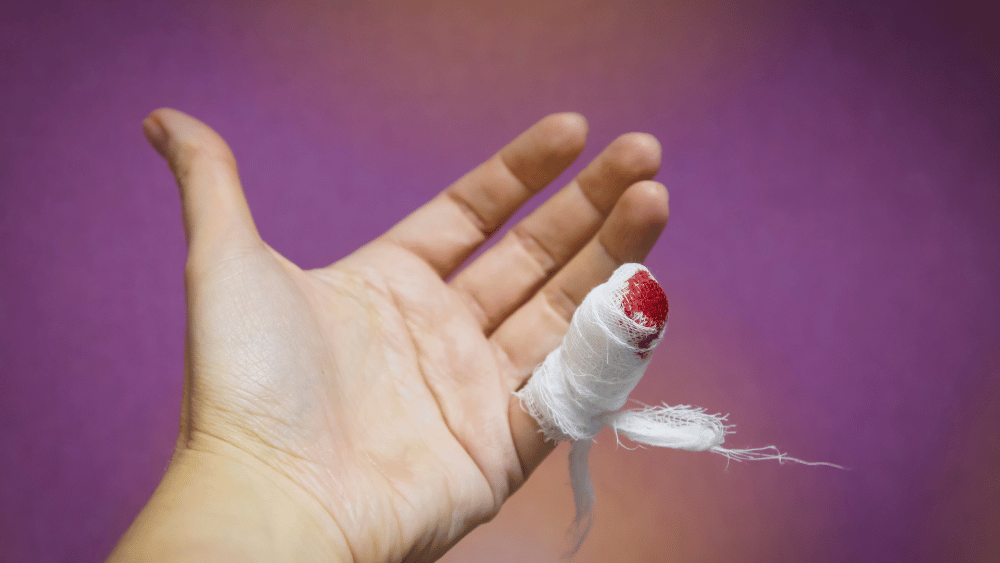
From a minor paper cut to a deeper kitchen knife slip, bleeding is a standard part of life. While most of us reach for a bandage without a second thought, not all bleeding is the same. Understanding the types of bleeding is a fundamental first-aid skill that can help you respond appropriately and prevent complications. Two of the most common types you will encounter are capillary bleeding and venous bleeding.
While one is often a minor nuisance, the other can be more serious if not managed correctly. Knowing how to distinguish between a slow ooze from a scrape and a steady flow from a deeper cut can make all the difference. Effective first aid isn’t just about stopping the bleeding; it’s about recognizing the severity of the injury and taking the proper steps to promote healing and prevent infection.
This guide will provide a detailed comparison of capillary versus venous bleeding. We will explore their distinct characteristics, symptoms, and the specific first aid treatments required for each. By the end, you will be equipped with the knowledge to handle these common injuries with confidence and care.
What is Capillary Bleeding?
Capillary bleeding is the most common and least severe type of bleeding you are likely to encounter. It occurs when the capillaries—the smallest blood vessels in your body, located just beneath the surface of the skin—are damaged. Think of a skinned knee from a fall or a superficial cut from a razor. The bleeding originates from a vast network of tiny vessels rather than a single, larger one.
The hallmark of capillary bleeding is a slow, steady oozing. Because the pressure within capillaries is very low, the blood doesn’t flow or spurt; it simply trickles out. The color of the blood is typically bright red. This is because capillaries are where oxygen exchange occurs—oxygen-rich blood from the arteries is delivered to the tissues. Hence, the blood remains highly oxygenated when the vessels are broken.
In most cases, capillary bleeding is easy to control and often stops on its own as the blood clots. It is rarely life-threatening and can usually be managed at home with simple first aid. However, even minor wounds need proper care to prevent infection, which remains the primary concern with this type of bleeding.
What is Venous Bleeding?
Venous bleeding occurs when a vein is cut or torn. Veins are blood vessels that carry deoxygenated blood from the body’s tissues back to the heart. Because this blood has already delivered its oxygen to the cells, it is typically dark red or maroon. This dark hue is a key identifier of venous bleeding.
Unlike the fast, pulsating spurts of arterial bleeding, blood from a damaged vein flows steadily. The pressure in the veins is lower than in the arteries, so the blood doesn’t shoot out. However, the flow can still be significant, especially if a large vein is severed. Imagine a steady stream pouring from a wound rather than a slow trickle. This continuous flow can lead to considerable blood loss if not controlled promptly.
While not as immediately life-threatening as arterial bleeding, venous bleeding is more serious than capillary bleeding and requires immediate attention. Prompt treatment is necessary to stop the blood loss, prevent the wound from becoming infected, and avoid complications like deep vein thrombosis or shock from significant blood loss.
What are the Differences Between Capillary Bleeding and Venous Bleeding?
Here Is A Table Describing Differences In Capillary Bleeding And Venous Bleeding:
|
Criteria |
Capillary Bleeding |
Venous Bleeding |
|---|---|---|
|
Source |
Capillaries: tiny vessels just under the skin |
Veins: larger vessels carrying blood toward the heart |
|
Color of Blood |
Bright red (oxygen-rich) |
Dark red or maroon (deoxygenated) |
|
Flow Pattern |
Slow, oozing, or trickling |
Steady, continuous flow |
|
Pressure |
Very low pressure |
Low pressure (higher than capillaries, lower than arteries) |
|
Severity |
Minor, rarely life-threatening |
More serious cases can lead to significant blood loss |
|
Control Capability |
Efficiently stops on its own or with gentle pressure |
Requires firm direct pressure and sometimes elevation |
What Does Capillary Bleeding Look Like?
Capillary bleeding is what most people picture when they think of a standard cut or scrape. Its appearance is distinct and usually not alarming.
Appearance
The most noticeable feature is the blood’s bright red color, which slowly oozes from the wound. There is no gushing or spurting. Instead, you will see blood welling up slowly across the entire injured area. If you wipe it away, it will slowly seep back out. Because it involves many tiny vessels, the bleeding appears more diffuse than coming from a single point.
Common Causes
This type of bleeding results from injuries that affect only the top layers of the skin. Common causes include abrasions (like a skinned knee from falling on pavement), minor cuts from paper or shaving, and scratches. Any injury that scrapes away the skin’s surface will likely cause capillary bleeding.
Healing Process
The body is very efficient at stopping capillary bleeding. The low pressure allows platelets to gather at the site and form a clot quickly. For most minor scrapes, the bleeding stops within a few minutes with little to no intervention. A simple wash and a bandage are typically all that’s needed to protect it while it heals.
What are the Signs and Symptoms of Venous Bleeding?
Recognizing the signs of venous bleeding is essential for providing prompt and effective first aid. While less dramatic than arterial bleeding, it requires more attention than a simple scrape.
Steady, Dark Red Blood Flow
This is the primary indicator of venous bleeding. The blood will be a deep, dark red and will flow from the wound in a steady stream. It does not spurt in time with the heartbeat. The consistency of the flow is a key giveaway that a vein has been compromised.
Pooling of Blood
Because the blood flows steadily, it can quickly pool around the wound or soak through clothing. If the injured person is lying down, blood may collect beneath them, making it essential to assess the full extent of blood loss.
Swelling or Bruising
The area around the wound may begin to swell or show signs of bruising. This is due to blood leaking from the damaged vein into the surrounding tissues.
Lightheadedness
If the venous bleeding is significant and not controlled, the person may start to feel dizzy, weak, or lightheaded. This is a sign of dropping blood pressure due to blood loss and is a precursor to shock.
Visible Tissue Damage
In cases of deep cuts or lacerations, you might be able to see the damaged vein or surrounding tissues within the wound. This is a clear sign of a more serious injury that requires medical attention.
First Aid Treatment for Capillary Bleeding
Managing capillary bleeding is straightforward and can typically be done at home. The main goal is to stop the bleeding and prevent infection.
Clean the Wound
Before doing anything else, wash your hands thoroughly with soap and water. Then, gently clean the wound with cool, clean water to remove any dirt or debris. You can use a mild soap around the wound, but try not to get soap directly into it, as it can irritate. An antiseptic wipe can also be used if available.
Apply Gentle Pressure
Using a clean cloth, sterile bandage, or gauze, apply gentle but firm pressure directly over the wound. This simple action is usually enough to slow and stop the oozing. Hold pressure for a few minutes until the bleeding stops completely.
Cover with a Bandage
Once the bleeding has ceased, cover the wound with a sterile bandage or dressing. This will protect the area from bacteria and keep it clean while it heals. For minor scrapes, an adhesive bandage is usually sufficient. Change the bandage daily or whenever it gets wet or dirty.
First Aid Treatment for Venous Bleeding
Venous bleeding requires a more assertive approach than capillary bleeding. The goal is to control the blood loss quickly and monitor the person for signs of shock.
Apply Direct Pressure
This is the most critical step. Using a clean, thick cloth, a sterile dressing, or even your hands (if nothing else is available), apply firm, direct pressure to the wound. Do not release the pressure to check if the bleeding has stopped for at least 5-10 minutes. If blood soaks through the first dressing, do not remove it. Add another layer on top and continue to apply pressure.
Elevate the Affected Area
If the wound is on an arm or leg, elevate the limb above the heart level while continuing to apply pressure. This uses gravity to help reduce blood flow to the injury, making it easier to control the bleeding. Have the person lie down and prop the limb up on pillows or another support.
Use a Clean Dressing
Once the bleeding is under control, secure a sterile dressing or bandage over the wound. Wrap it firmly enough to maintain pressure but not so tightly that it cuts off circulation. Check the fingers or toes beyond the bandage to ensure they are not becoming cold or blue.
Monitor for Shock
Significant blood loss from a vein can lead to shock. Watch for symptoms like pale, cool, or clammy skin; rapid breathing; confusion; or weakness. If you suspect shock, have the person lie down, elevate their legs, and cover them with a blanket to keep them warm while you wait for emergency services.
How to Identify Capillary vs. Venous Bleeding in an Emergency?
In a stressful situation, quickly distinguishing between capillary and venous bleeding helps you prioritize your actions. Focus on these three key factors:
Color of Blood
The first clue is the color. Is it bright red? It’s likely capillary bleeding, as the blood is still oxygenated. Is it a dark, deep red? This points to venous bleeding, where the blood has already delivered its oxygen.
Flow Pattern
Next, observe how the blood is coming out. If it is oozing or trickling slowly from the surface of the wound, it is capillary bleeding. If it is flowing in a steady, continuous stream, it is venous bleeding. Remember, venous blood flows; it does not spurt.
Severity
Assess the overall situation. A scrape from a fall that is slowly oozing is a minor capillary injury. A deep cut from a kitchen knife that is flowing steadily is a more serious venous injury requiring immediate and firm pressure. Your first-aid response should match the severity of the bleeding.
What are the Long-Term Complications of Untreated Capillary and Venous Bleeding?
While often manageable, failing to treat either type of bleeding properly can lead to complications.
Infection
This is the primary risk for all open wounds, including minor capillary bleeds. If a wound is not cleaned and protected, bacteria can enter and cause a local infection. In more severe cases, this can lead to cellulitis (a skin infection) or even sepsis (a life-threatening systemic disease).
Tissue Damage
Prolonged venous bleeding can deprive the surrounding tissues of adequate circulation and lead to cell death (necrosis). While rare, this is a risk with deep, uncontrolled wounds. Proper wound care is essential to ensure healthy tissue regeneration.
Chronic Swelling
Untreated damage to a vein can impair its ability to return blood to the heart, a condition known as venous insufficiency. This can lead to long-term problems like chronic swelling, pain, skin discoloration, and venous ulcers in the affected limb.
Take Action to Prevent Life-Threatening Consequences
Distinguishing between capillary and venous bleeding is a fundamental skill that empowers you to act effectively in an emergency. From the slow, bright-red ooze of a scrape to the steady, dark-red flow of a deeper cut, each type of bleeding tells a story about the injury. Knowing this story allows you to provide the proper care at the right time.
Timely and appropriate first aid—whether it’s a simple cleaning and bandage for capillary bleeding or firm pressure and elevation for venous bleeding—is crucial to prevent complications like infection or significant blood loss. We encourage everyone to learn these basic techniques. By staying prepared and informed, you can confidently handle common injuries and protect your own well-being and that of those around you.
FAQ
1. Can I use a tourniquet for venous bleeding?
Tourniquets are generally reserved for severe, life-threatening arterial bleeding that cannot be controlled with direct pressure. They are not typically necessary for venous bleeding, which can almost always be controlled with firm, direct pressure and elevation.
2. Why is venous blood dark red?
Veins carry blood that has already delivered oxygen to the body’s tissues and is on its way back to the lungs to pick up more. The lack of oxygen gives it a darker, maroon color compared to the bright red, oxygen-rich blood in arteries.
3. What should I do if an object is stuck in the wound?
Please do not remove it. The object may be plugging the damaged vessel, and removing it could cause more severe bleeding. Instead, apply firm pressure on either side of the object to control the bleeding and stabilize it in place while you wait for medical help.
4. How do I know if a wound is infected?
Signs of infection include increasing redness, swelling, or pain around the wound; pus or drainage; a foul odor; and fever. If you notice any of these signs, seek medical attention.