
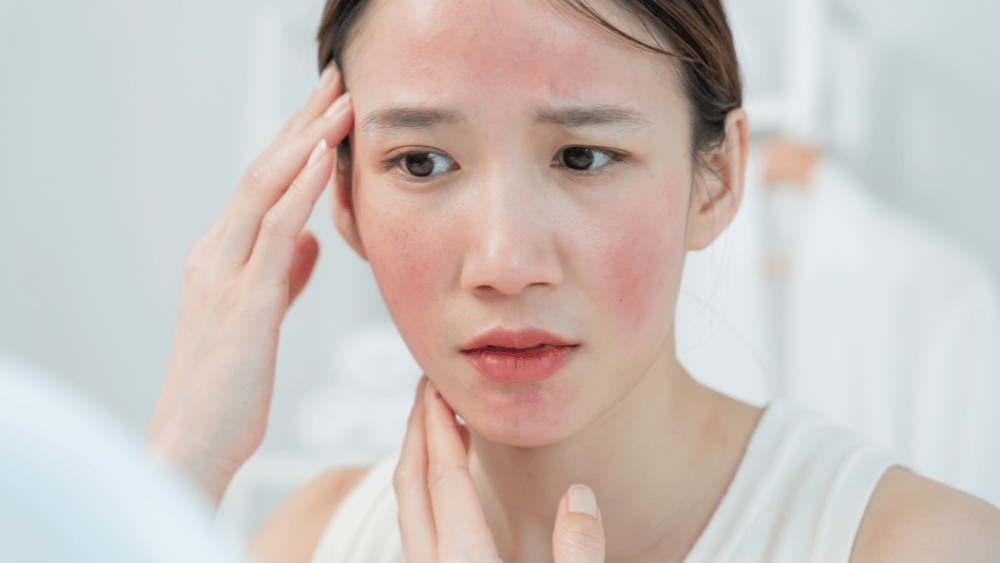
As summer temperatures climb, many of us look forward to enjoying the sun and warm weather. However, the heat and humidity can bring an unwelcome guest: heat rash. Also known as prickly heat or miliaria, this common skin condition appears as small red bumps that can cause intense itching and a stinging sensation. It occurs when sweat ducts become blocked, trapping sweat under the skin. While it’s most common in babies, anyone can experience it in hot, humid climates.
Understanding what causes heat rash and how to recognize its early signs is crucial for both prevention and effective treatment. Although it’s usually not a serious condition, a severe case can be very uncomfortable and may lead to complications, such as infection, if not appropriately managed. Knowing how to prevent it and what to do when it appears can help you and your family stay comfortable and enjoy the summer season without irritation.
This article will serve as your comprehensive guide to heat rash. We will explore its causes and symptoms, provide practical prevention tips, outline effective home remedies for treatment, and explain when to seek medical attention.
Understanding Heat Rash
Heat rash, or miliaria, is a skin irritation that develops when your sweat ducts become clogged, and sweat gets trapped beneath the skin. Your body’s natural cooling system relies on sweat evaporating from your skin’s surface. When this process is blocked, the trapped sweat can lead to inflammation, irritation, and the characteristic rash. It’s essentially a plumbing problem within your skin’s sweat system.
The development of heat rash often follows a simple pattern: you’re in a hot environment, you sweat, but the sweat can’t escape. This trapped perspiration irritates the skin, causing a rash to form. This can happen for several reasons, including wearing tight clothing that prevents air from circulating or engaging in intense physical activity that causes excessive sweating.
Several factors increase the risk of developing heat rash. Infants are particularly susceptible because their sweat ducts are not yet fully mature. People who are overweight, bedridden, or have conditions that cause them to sweat more are also at higher risk. Environmental factors, exceptionally high humidity combined with high temperatures, create the perfect storm for blocked sweat ducts, as the moisture in the air prevents sweat from evaporating efficiently.
Causes of Heat Rash
Blocked sweat ducts are fundamental to heat rash, but various environmental, physiological, and personal factors contribute to this blockage. Understanding these triggers is key to preventing the uncomfortable condition from developing.
High Temperatures and Humidity
The primary environmental cause of heat rash is a combination of high heat and high humidity. In hot weather, your body produces sweat to cool down. However, when the air is already saturated with moisture (high humidity), your sweat cannot evaporate effectively. This leaves moisture sitting on your skin, which can clog the pores and sweat ducts, trapping sweat beneath the surface and leading to the characteristic rash.
Excessive Sweating
Anything that causes you to sweat profusely can increase your risk of heat rash. Your sweat glands are working overtime, and the sheer volume of sweat can overwhelm the ducts, causing blockages. This is common in people who are not acclimatized to hot weather, as their bodies may produce sweat less efficiently. Certain medical conditions or medications can also lead to hyperhidrosis, or excessive sweating, making a person more prone to this condition.
Tight or Non-Breathable Clothing
Your choice of clothing plays a significant role. Tight garments can create friction and prevent air from circulating over your skin, trapping heat and moisture. Fabrics that are not breathable, such as polyester or nylon, act like a plastic wrap, holding sweat against your skin. This creates a warm, moist environment, making sweat ducts more likely to clog. Opting for loose, lightweight, and natural fabrics like cotton or linen can make a huge difference.
Prolonged Physical Activity
Engaging in intense exercise or physical labor, especially in hot conditions, naturally increases sweat production. The combination of heat generated by your body and the external temperature puts a significant strain on your cooling system. The longer the activity, the more you sweat, and the greater the chance that your sweat ducts will become overwhelmed and blocked, resulting in heat rash on areas of the body that experience the most friction or sweat accumulation.
Symptoms of Heat Rash
Recognizing the symptoms of heat rash early can help you take action to relieve discomfort and prevent it from worsening. The appearance can vary slightly depending on how deeply the sweat is trapped, but there are common signs to look for.
Red or Pink Bumps
The most common form of heat rash (miliaria rubra) appears as clusters of small red or pink bumps that look like tiny pimples or blisters. These bumps are the result of inflammation caused by the trapped sweat. The rash can appear anywhere on the body, but is most common in areas where skin rubs against skin or clothing.
Prickling or Stinging Sensation
This symptom is why heat rash is often called “prickly heat.” The affected area can feel intensely itchy and may have a stinging or prickling sensation. This feeling is caused by the pressure of trapped sweat trying to escape and the resulting inflammation that irritates the nerve endings in the skin. The discomfort can range from mild to severe, making it difficult to ignore.
Localized Inflammation
Along with the bumps, you may notice mild swelling and redness in the affected area. The skin may feel warm to the touch. This inflammation is the body’s natural response to the irritation caused by the blocked sweat ducts. It is a sign that your skin is reacting to the trapped perspiration.
Commonly Affected Areas
Heat rash tends to develop in areas where sweat collects or friction occurs. The most common locations include the neck, chest, back, and armpits. It is also frequently seen in skin folds, such as the groin, the inner elbows, and under the breasts. In babies, it often appears on the neck, shoulders, and chest, and can also be found in the diaper area.
How to Prevent Heat Rash
Prevention is the most effective strategy for dealing with heat rash. By taking proactive steps to keep your skin cool and dry, you can avoid the discomfort of this common condition.
Stay Cool and Dry
The most important preventive measure is to avoid overheating. Stay in air-conditioned or well-ventilated spaces during the hottest parts of the day. Use fans to circulate air, which helps sweat evaporate more efficiently. Taking cool showers or baths can help lower your body temperature and wash away sweat that could otherwise clog your pores. After bathing, make sure to dry your skin thoroughly, especially in skin folds.
Wear Loose, Lightweight Clothing
Choose your summer wardrobe wisely. Loose-fitting clothes made from natural, breathable fabrics like cotton or linen allow air to flow freely over your skin, helping sweat evaporate. Avoid tight clothing and synthetic fabrics like polyester and nylon, which trap heat and moisture. Light-colored clothing is also a good choice, as it reflects sunlight rather than absorbing it.
Limit Physical Activity in Heat
Avoid strenuous exercise or work during the hottest times of the day, typically between 10 a.m. and 4 p.m. If you must be active, schedule it for the cooler morning or evening hours. Take frequent breaks in the shade or an air-conditioned area to allow your body to cool down. When you do exercise, wear moisture-wicking athletic wear designed to pull sweat away from your skin.
Use Talcum Powder or Antiperspirants
For areas prone to moisture, certain products can help. Applying a light dusting of talcum powder or cornstarch to skin folds can help absorb excess moisture and reduce friction. Some people find that using an antiperspirant in areas like the inner thighs or under the breasts can help reduce sweat production and prevent duct blockages. However, avoid heavy creams or ointments, as they can clog pores further.
How to Treat Heat Rash
If you do develop heat rash, the good news is that it usually resolves on its own with simple home care. The focus of treatment is to cool the skin, relieve symptoms, and allow the sweat ducts to clear.
Cool the Affected Area
The first and most effective step is to cool down your skin. Move to an air-conditioned room or find a shady spot. Applying cold compresses, like a cool, damp cloth, to the affected areas for 15-20 minutes at a time can provide immediate relief from itching and stinging. Taking a cool shower or oatmeal bath can also soothe widespread rashes and reduce inflammation.
Apply Calamine Lotion or Hydrocortisone Cream
For itching and irritation, over-the-counter remedies can be very effective. Calamine lotion provides a cooling sensation and helps dry out the rash. A low-strength (1%) hydrocortisone cream can be applied to reduce inflammation and relieve itching. However, use it sparingly and avoid using it on the face or for prolonged periods without consulting a doctor.
Avoid Tight Clothing
Once you have a rash, it’s crucial to let your skin breathe. Wear the loosest, most breathable clothing you own, or go without clothes on the affected area if possible. Avoid any fabrics or garments that rub or chafe against the rash, as this will only increase irritation and delay healing. Let air be your best medicine.
Stay Hydrated
While it may seem counterintuitive to drink more water when sweat is the problem, staying hydrated is essential. Drinking plenty of cool water helps regulate your body temperature from the inside out, potentially reducing the need for excessive sweating. It also supports your body’s overall healing processes. Avoid sugary drinks, alcohol, and caffeine, which can contribute to dehydration.
When to Seek Medical Attention
Most cases of heat rash clear up within a few days with simple home care. However, sometimes the condition can worsen or signal a more serious problem, requiring a visit to the doctor.
Severe Inflammation or Infection
If the rash becomes increasingly painful, swollen, or warm to the touch, it may be infected. Look for signs of a secondary bacterial infection, such as pus draining from the bumps, red streaks leading from the area, or swollen lymph nodes. If you develop a fever along with the rash, it is a clear sign that you need medical attention.
Persistent Rash
If your heat rash doesn’t start to improve after three or four days of home treatment, it’s a good idea to consult a healthcare provider. A persistent rash might be something other than heat rash, or it could be a more severe form that requires prescription-strength treatment to clear up.
Discomfort Interfering with Daily Activities
While some itching is normal, if the stinging, prickling, or itching is so severe that it keeps you from sleeping or performing your daily tasks, a doctor can prescribe more potent medications to manage the symptoms. Don’t suffer in silence if the discomfort becomes unbearable.
Wrapping Up: Your Guide to Preventing and Treating Heat Rash
In the face of rising summer temperatures, heat rash is a common but largely preventable nuisance. By understanding that blocked sweat ducts cause it, you can take simple yet effective steps to protect your skin. Staying cool, keeping dry, and wearing the proper clothing are your best defenses against this prickly condition. Remember to stay well-hydrated to help your body regulate its temperature efficiently.
If heat rash does appear, prompt treatment with cool compresses and soothing lotions can quickly ease the discomfort. Most importantly, listen to your body. Heat rash is a signal to slow down and cool off. By adopting these preventive habits and sharing this knowledge with others, you can ensure that you and your loved ones enjoy a comfortable, rash-free summer.
FAQ
1. How long does heat rash last?
With proper care and by avoiding heat, most cases of heat rash clear up within 2-3 days. If it persists longer, it’s a good idea to see a doctor.
2. Can adults get heat rash?
Yes, while it’s most common in babies, adults can certainly get heat rash, especially if they are in hot, humid climates, exercise intensely, or wear non-breathable clothing.
3. Is heat rash contagious?
No, heat rash is not contagious. It is an irritation caused by blocked sweat ducts and cannot be passed from one person to another.
4. Should I pop the bumps from a heat rash?
No, you should never try to pop or squeeze the bumps. This can lead to further inflammation, scarring, and an increased risk of bacterial infection. Let them heal on their own.