
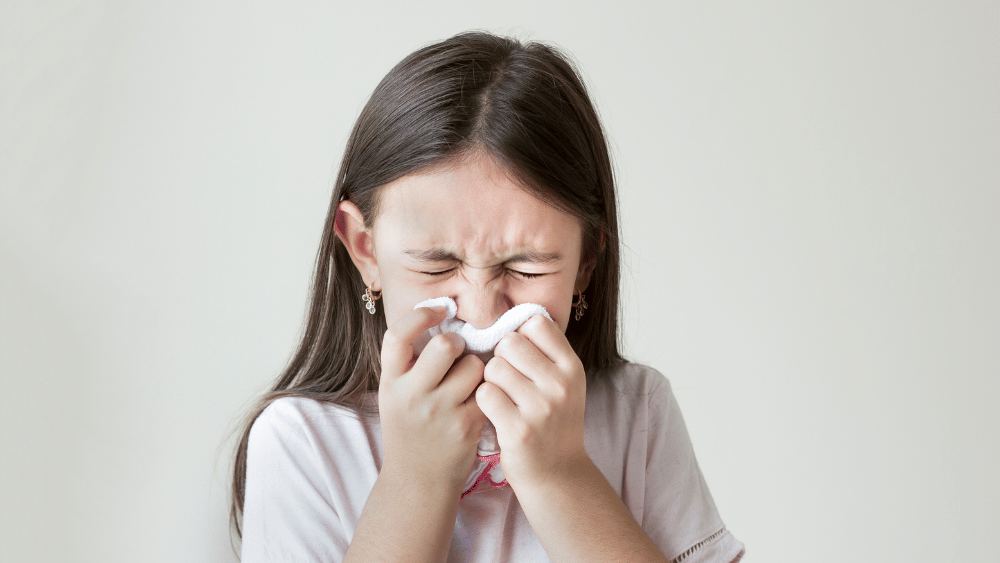
Every person hopes to enjoy the changing seasons, spending time outdoors in nature’s beauty. Yet, sometimes, despite the pleasant weather, invisible triggers can turn a beautiful day into a miserable experience. From spring blossoms to late-summer grass, nature’s cycles can activate bothersome symptoms that impact everything from work productivity to children’s playtime. Even family picnics or outdoor exercise can be interrupted by non-stop sneezing, watery eyes, or fatigue.
One such widespread phenomenon that has frustrated millions of people and medical professionals alike is Seasonal Allergic Rhinitis (SAR), often called hay fever. Recent surveys estimate that up to 30% of adults and as many as 40% of children experience symptoms related to SAR, making it one of the most common allergic diseases worldwide. The prevalence of SAR has been steadily climbing, with recent data showing a significant increase in cases compared to previous decades. Climate, urbanization, and lifestyle patterns all contribute to this rise, making it essential to recognize and manage SAR to improve quality of life.
So, what is seasonal allergic rhinitis? The term refers to an allergic reaction to airborne substances, such as pollen, that occur only at certain times of the year. These common triggers can impact anyone, leading to symptoms that disrupt sleep, impair concentration, and lower energy levels. The exact cause of why some immune systems react this way while others don’t is still being studied by medical professionals. However, a person may be at risk for SAR due to specific factors, such as family history, geographic location, and environmental exposure. Keep reading as we explore in detail what SAR is, its causes, risk factors, and prevention strategies.
What is Seasonal Allergic Rhinitis?
Seasonal allergic rhinitis is an inflammatory reaction of the nasal passages triggered by specific allergens present in the air during certain seasons. When plants start their pollination process, immense clouds of microscopic pollen grains are released—an essential process for plant reproduction, but a misery for allergy sufferers. Unlike year-round allergies caused by dust mites or pets, SAR is periodic and tightly linked to the local environment and climate.
It occurs when the immune system mistakenly identifies harmless airborne substances—typically pollen from trees, grasses, or weeds—as dangerous invaders. This triggers the release of chemicals like histamine, leading to uncomfortable symptoms such as sneezing, nasal congestion, an itchy nose, and runny or watery eyes.
The majority of people who suffer from SAR experience symptoms during spring, summer, or early fall, depending on what specific pollen they are allergic to, indicating how common seasonal triggers are. For instance, tree pollen might dominate the air in early spring, while late summer can bring ragweed pollen in abundance. The majority of these reactions happen when pollen counts are highest, typically on dry, windy days, as pollen is more easily transported. For this reason, SAR is commonly referred to as “hay fever,” though it rarely involves a fever and isn’t triggered by hay alone.
While a person’s immediate environment can influence the severity of the reaction, the pollen itself doesn’t cause illness in everyone. The actual mechanism behind the sensitivity involves the immune system’s tendency toward overreaction. People with SAR may also notice their symptoms improve after moving to a different region, only to develop new sensitivities to unfamiliar local pollens. However, it could be exacerbated by issues in the way the body’s defense system regulates its response to harmless environmental particles.
Symptoms of SAR can cause sleep disturbances, daytime drowsiness, and even trigger asthma attacks in susceptible people. Many who struggle with allergies also describe adverse effects on mood, focus, and social life during peak pollen seasons.
6 Potential Causes of Seasonal Allergic Rhinitis
Investigation into the underlying reasons for the development of allergies is ongoing. However, some SAR cases are believed to be exacerbated by various other conditions, such as asthma, eczema, and unidentified environmental sensitivities. Researchers have identified a variety of indications and potential triggers, which are listed below:
Pollen Exposure
When trees, grasses, and weeds release tiny pollen grains into the air to fertilize other plants, sensitive individuals react. A single ragweed plant, for example, can release up to a billion pollen grains in just one season. These grains travel for miles and are inhaled deep into nasal passages, leading to congestion, itchy eyes, and sneezing for those with hypersensitive immune systems. On the other hand, rain can wash pollen away, which has been linked to a temporary reduction in SAR symptoms for many sufferers. Local weather reports often include pollen counts, and learning to interpret these forecasts can help allergy sufferers plan outdoor activities to minimize symptoms.
Immune System Sensitivity
Other internal factors are associated with immune system stress from overreaction to benign substances, and they may also obstruct regular breathing. These include an overproduction of immunoglobulin E (IgE) antibodies, which recognize allergens and signal the immune system to release chemicals such as histamine, causing inflammation and mucus production. For some, the immune response is so strong that it leads to inflammation not just in the nose but also in the eyes and throat. Multiple exposures over time may create a “priming effect,” making the nose even more sensitive to pollen as the season progresses.
Genetic Predisposition
Some individuals may have poor regulation of their immune response due to genetics. Most SAR cases run in families, possibly due to inherited atopy, a tendency to develop allergic conditions. Some studies suggest that if both parents have allergies, the risk for the child increases significantly, up to a 70% chance. In addition to genetics, a child’s early environment (such as exposure to pets, farm animals, or urban pollution) can help shape how the immune system responds to future allergens. However, genetics alone isn’t the only factor; environment plays a key role, and there are many exceptions to family patterns.
Air Pollution
Urban environments may contain unidentified air-quality anomalies that worsen allergies, even though they seem unrelated to nature. For instance, cities may have high levels of ozone or delicate particulate matter from cars and factories, which can damage the airways and increase the severity of reactions to pollen. Diesel exhaust particles, ozone, and other pollutants can attach to pollen grains, making them more potent. This interaction can damage the respiratory tract lining, making it easier for allergens to enter and trigger a reaction. Research shows that allergy rates are higher in cities than in rural areas, and children who live near busy roads are particularly at risk.
Climate Change
Climate change impacts the formation and function of pollen seasons worldwide. Warmer temperatures and higher carbon dioxide levels play an essential role in extending plant growing seasons and boosting pollen production. For example, ragweed pollen seasons in some parts of North America are now up to three weeks longer than they were just a few decades ago. This leads to more extended and more intense pollen production periods, increasing the duration and severity of suffering for those with SAR. Milder winters can also allow plants to start pollinating earlier, and higher CO₂ levels can make weeds and grasses produce even more pollen.
Indoor Allergens
Individuals with the condition may be sensitive to indoor triggers that exacerbate the seasonal issue, and certain homes may have poor ventilation. While SAR is outdoor-based, studies show that dust mites, pet dander, and mold inside the house can aggravate the inflamed nasal passages, lowering the threshold for a strong reaction to pollen. The accumulation of these indoor allergens can lower the threshold for a seasonal response, making the symptoms feel much worse than they would otherwise. In addition, modern buildings are often better sealed to improve energy efficiency, which can trap allergens indoors and worsen inflammation.
Common Risk Factors of Seasonal Allergic Rhinitis
SAR can occur in any individual. Experts have identified many factors that may increase the risk of SAR. The risk factors listed below may raise a person’s chance of developing seasonal allergies:
- Age and Gender: SAR is slightly more prevalent in boys than in girls during childhood, but this gap often closes in adulthood. After adolescence, women are as likely, or more likely, to suffer from SAR.
- Family History: A person’s chances increase significantly if a parent or sibling has allergies or asthma. Doctors are sure that genetics plays a huge role, and children born into atopic families (those prone to allergies) should be closely monitored for symptoms.
- Geographic Location: Living in areas with lush vegetation or high pollen counts makes residents more likely to suffer from SAR compared to those in arid climates. For example, individuals living in the southeastern or midwestern United States experience longer pollen seasons compared to those in coastal or mountainous regions.
- Lifestyle Factors: High exposure to outdoor environments during peak seasons can increase the risk of sensitization. Children who play sports on grassy fields or gardeners who frequently work in the garden may experience earlier or more intense reactions. Without protective measures such as masks or sunglasses, frequent outdoor activities can increase the allergen load inhaled, making the immune system more reactive over time.
- Existing Allergies: Having other allergic conditions, such as eczema, food allergies, or perennial (year-round) rhinitis, is a strong predictor. This is often part of the “atopic march,” where one allergic condition leads to another; for some, SAR is just one piece of a complex allergic profile.
- Exposure to Tobacco Smoke: Passive exposure to smoke during childhood can sensitize the airways. Even brief exposure to secondhand smoke can increase the risk of SAR and worsen its severity. This weakens the respiratory system’s natural defenses, making it more reactive to pollen later in life.
Stress and Seasonal Allergic Rhinitis
Stress or anxiety from work, school, or personal life can all increase the severity of SAR symptoms. Individuals facing chronic stress at home or work may notice their allergies flaring more during challenging periods. Additionally, there is evidence that individuals may be at higher risk for severe allergic reactions if they experience repeated, prolonged, stressful, or unpleasant experiences. Stress hormones such as cortisol and adrenaline can dysregulate the immune system, leading to more intense inflammation and a heightened allergic response to pollen.
Some people report a cycle where allergy symptoms lead to lost sleep and fatigue, making them feel more stressed during the day. In return, stress seems to worsen allergic inflammation—intensifying symptoms like nasal congestion, sneezing, or itchy eyes. Emotional well-being is integral to allergy management: techniques such as mindfulness, meditation, and counseling have been linked to fewer and milder allergy flare-ups in some patients.
Are There Any Symptoms of Seasonal Allergic Rhinitis?
There are particular symptoms or warning signs of SAR when it happens. However, the common cold may closely mimic seasonal allergic rhinitis, and it’s not always easy to distinguish between them in the early stages. SAR sufferers often feel healthy before the pollen season begins and then quickly develop characteristic allergy symptoms as pollen levels rise. They are frequently discovered sneezing repeatedly in the morning and exhibit specific SAR symptoms such as:
- Runny or stuffy nose
- Watery, itchy, red eyes (allergic conjunctivitis)
- Sneezing, sometimes in long bouts that interrupt daily tasks
- Coughing, often worse at night or upon waking
- Itchy nose, roof of mouth, ears, or throat
- Swollen, blue-colored skin under the eyes (“allergic shiners”)
- Postnasal drip, leading to throat clearing or hoarseness
- Fatigue and irritability (often mistaken for poor sleep or overwork)
The intensity of these symptoms can change daily with fluctuations in the pollen count, weather, and exposure to indoor triggers. For some, SAR can also worsen underlying asthma, leading to coughing and wheezing. Recognizing these patterns, especially when symptoms only appear or worsen during specific times of year, is key to early and accurate management. Children may also exhibit behavioral changes or drop in school performance due to fatigue or lack of concentration from poor sleep caused by allergies.
How Do Medical Professionals Diagnose Seasonal Allergic Rhinitis?
Seasonal allergies are usually an annoying and predictable annual event. The patient appears to be in good health, with no signs of fever or body aches typical of a virus. For many, the timing and recurrence of symptoms provide valuable diagnostic clues.
- Symptoms happen quickly when the person is outdoors or after contact with plants or grass.
- Typically, the reaction persists as long as the allergen is present, then eases when pollen counts drop or when cold weather starts.
- Before the season, the individual appears to be breathing normally and in overall good health.
SAR is usually diagnosed after a medical examination has ruled out other infections or structural issues. Moreover, doctors typically take the following steps to confirm SAR:
Medical History
Healthcare professionals may conduct interviews with patients using detailed questions about symptom timing, family history, geographic location, and any known allergies. They will determine the presence of risk factors such as the time of year symptoms worsen, a pattern of symptoms year after year, family history of allergies, the presence of pets or mold at home, and the living environment. Some doctors may encourage patients to keep a diary in which they note when symptoms begin, which activities make them worse, and whether there are any other factors (like stress or humid weather) that seem to trigger reactions.
Physical Examination
A physical exam may reveal swollen nasal turbinates, clear nasal drainage, and red or watery eyes. It consists of an exterior and internal assessment of the ears, nose, and throat. The doctor will look for the “allergic salute” (a crease across the nose from frequent upward rubbing to relieve itching) and “allergic shiners” (dark circles under the eyes caused by nasal congestion). Examination may also include checking for mouth breathing or evidence of chronic sinus inflammation.
Allergy Testing
The recommended diagnostic tests include skin prick tests to identify specific allergic triggers. During this test, tiny amounts of allergens are pricked into the skin to see if a reaction (wheal or localized swelling) occurs. Blood tests, such as specific IgE tests, can reveal sensitivities to common allergens. Testing helps guide therapy, especially for those considering allergy shots or advanced medication management.
Symptom Tracking
Doctors may ask patients to keep a diary of their symptoms and activities. It is essential to note the following:
- The time of day symptoms are worst (for example, morning versus evening)
- The weather conditions (wind, rain, temperature)
- The location where symptoms occur (indoor vs. outdoor, at work or school)
- The severity and persistence of congestion, sneezing, or itchy eyes
- The response to over-the-counter medications or home remedies
- The presence of pets, dust, mold, or other possible in-home exposures
- The intake of certain foods, such as some (like melons or nuts), can cross-react with pollen allergies
- The impact on sleep quality and overall well-being
Physicians may use the information gathered to distinguish SAR from viral or bacterial causes of similar symptoms and recommend a tailored treatment plan.
Preventive Measures to Reduce Seasonal Allergic Rhinitis
There is no permanent cure for SAR. However, your allergist or other healthcare expert can discuss any risks you may face and suggest specific preventive strategies tailored to your lifestyle and region. SAR prevention begins with managing your exposure to allergens and being proactive.
Minimize Pollen Exposure
Always stay indoors on dry, windy days when pollen counts are highest. The best time to go outside is after a good rain, which helps clear pollen from the air. To engage in outdoor activities, try to schedule them for late afternoon or after a heavy rain. Consider timing yard work, sports, or errands for days when the pollen count is low. To promote cleaner air in your car, keep windows rolled up while driving and use recirculated air if available. Until the season passes, remember to check pollen forecasts daily to help reduce your risk of a flare-up. You can find pollen data from weather apps, local TV, or allergy organizations online. Consider investing in a high-quality pollen mask when working outdoors, and rinse your nose with saline solution to physically remove trapped pollen.
Use Air Purifiers
Make sure your indoor air is clean by using high-efficiency particulate air (HEPA) filters in air conditioning units and portable purifiers. Keep windows and doors closed during high pollen seasons to keep allergens out of your living space. Change filters regularly according to the manufacturer’s guidance. Vacuum floors with a HEPA-filter vacuum to capture small allergenic particles and prevent them from circulating in the home. Use a dehumidifier in damp environments to discourage mold growth, which can worsen SAR symptoms. Animal dander and house dust can also be minimized with frequent cleaning and the use of washable rugs or hard flooring.
Medication Management
You should start taking allergy medications before the season begins, not just when symptoms start, to reduce the body’s inflammatory response. Until the pollen count drops, you should use antihistamines, nasal corticosteroids, or decongestants as prescribed by your doctor. Newer, non-drowsy antihistamines such as cetirizine and loratadine can control symptoms with fewer side effects. Consistent medication use (rather than sporadic use) is associated with better control of SAR. Topical nasal sprays can quickly reduce inflammation, while eye drops soothe irritated eyes. Keep your rescue medications within arm’s reach for sudden flare-ups, and consult your physician for advice on combining or switching treatments as needed.
Allergy Immunotherapy
Allergy shots (immunotherapy) introduce the body to small amounts of the allergen, gradually training the immune system not to overreact. Hence, when exposed to the trigger later, the body may not react as strongly or at all. Immunotherapy use may enhance immune tolerance, reduce reliance on medication, and stop the progression of allergies into asthma. Sublingual tablets (dissolved under the tongue) are also an option for some pollen allergies and are especially suitable for children and those who dislike injections. Treatment is typically long-term (3–5 years) but can result in lasting symptom relief for many people.
Personal Hygiene
Do not allow pollen to stay on your body or clothes after being outside. Shower and change clothes immediately after coming indoors to rinse pollen from your skin, hair, and eyelashes. Please pay special attention to children, who may rub pollen into their eyes after playing outside. Moreover, wash bedding, pillowcases, and curtains frequently in hot water. Pet fur can also trap pollen, so wipe pets with a damp cloth before they re-enter the home and keep them out of your bedroom during allergy season.
Monitor Weather Reports
To help prevent unexpected exposure, individuals should check local weather and pollen forecasts daily. Short bursts of outdoor time can be managed if you know the count is low. Pollen counts are often highest in the morning (5–10 a.m.) and again in the early evening. Patients should delegate lawn mowing, gardening, and leaf raking to others during peak season. Additionally, avoid hanging laundry outside to dry, as pollen can stick to sheets and towels, and change air filters in your home HVAC system regularly during pollen peaks.
Manage Seasonal Allergic Rhinitis Effectively!
SAR is a prevalent condition and may significantly burden your daily life. While it is necessary to understand what SAR is, following the approved management guidelines and a personalized prevention plan may help reduce the frequency and severity of your reactions. Numerous resources are available to help individuals with chronic allergies, including counseling, online support communities, and mobile apps for tracking pollen and symptoms. These resources will help manage the discomfort caused by this seasonal nuisance, prevent sleep disruptions, and even enhance social and professional well-being.
Learning how to manage triggers before the season starts is advantageous for patients and their families. Sufferers should seek medical advice, get tested for specific allergies, and learn to take immediate action during any severe allergic episode. Early and consistent intervention, personalized action plans, and support from healthcare professionals can transform SAR from a yearly frustration to a well-managed aspect of life.
FAQ’S
What causes seasonal allergic rhinitis?
The exact cause involves the immune system overreacting to airborne particles. However, several medical professionals and researchers believe it is linked to a genetic predisposition to produce IgE antibodies in response to pollen from trees, grasses, and weeds. Environmental influences and childhood exposures play a role, and a combination of factors is usually at play.
How can I prevent SAR symptoms during pollen season?
To lower the risk of SAR and other allergy-related issues, individuals can do the following:
- Start taking allergy medications a couple of weeks before the season starts.
- Keep your home windows closed on high-pollen days; instead, use air conditioning with clean filters and HEPA purifiers.
- Wear a pollen mask and protective sunglasses if you must do outside chores like mowing the lawn.
- Shower and wash your hair and face before bed to remove pollen after being outside.
- Wash your bedding, pillowcases, and outdoor clothing weekly in hot soapy water.
- Limit outdoor activities during windy mornings when pollen counts are highest.
- To prevent eye irritation, wear sunglasses and avoid contact lenses whenever severe pollen peaks occur.
- Do not dry laundry on an outdoor line or leave doors and windows open for long periods.
- Avoid using window fans that can draw pollen and mold into the house.
- Consider using nasal saline sprays to flush pollen from your nasal passages.
What are the best treatments for SAR?
There are specific treatments for Seasonal Allergic Rhinitis (SAR), ranging from over-the-counter antihistamines and nasal sprays to prescription medications such as corticosteroids or leukotriene inhibitors. For severe or persistent cases, allergen immunotherapy (allergy shots or sublingual tablets) can be very effective and should be discussed with a healthcare professional. Regular check-ins with an allergist help adjust treatment plans and monitor for complications such as sinus infections or asthma flares.
Can SAR lead to other health problems?
Yes, untreated SAR can lead to complications, such as persistent sinus infections (sinusitis), middle ear infections, worsening of asthma, nasal polyps, and sleep disturbances. Individuals with poorly controlled SAR may experience chronic fatigue, difficulty concentrating, irritability, and impaired quality of life. Managing allergies proactively can reduce these risks.
Is SAR a lifelong condition?
The vast majority of SAR cases develop during childhood or young adulthood, and symptoms may improve with age as the immune system becomes less reactive. However, for some, SAR persists for life, changing in severity year to year and with environmental changes. Moving to a new geographic location may result in different triggers or a temporary reduction in symptoms, but new sensitivities can still develop with time. Ongoing management, regular medical reviews, and preventive strategies are the best way to keep SAR under control.