

If you suffer from sleep apnea, the condition can restrict your ability to breathe correctly, making it difficult to get a good night’s sleep. According to a recent report, over 39 million adults in the U.S. have obstructive sleep apnea, a condition that causes repeated pauses in breathing during sleep. Over the years, medical research has evolved, introducing various therapies and devices to address the issue and improve the quality of life.
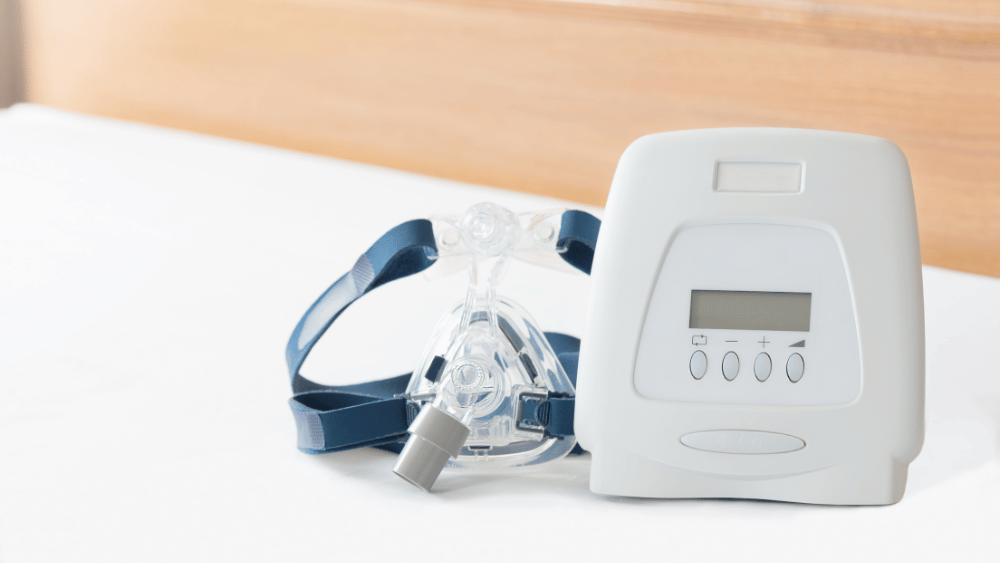
Although there isn’t a permanent cure for sleep apnea, there are highly effective methods you can use to manage the symptoms. A CPAP machine (Continuous Positive Airway Pressure) is one such device, a widely used desktop ventilation system designed for better respiratory care during sleep. The device delivers a steady stream of air into the lungs through a mask worn over the face. You might be wondering what exactly the machine does. It helps people with sleep apnea breathe more effectively and consistently throughout the night. Please keep reading to learn more about its functionalities, the science behind it, and its benefits, side effects, and alternatives.
What is a CPAP Machine?
A CPAP machine is a non-invasive medical device that delivers life-changing benefits for people living with obstructive sleep apnea and certain other breathing disorders. Its primary purpose is to push a steady, continuous stream of pressurized air into the upper airway, preventing the tissues in your throat from collapsing while you sleep. By maintaining this constant airway pressure, the device ensures that oxygen can flow freely to the lungs throughout the night, allowing you to breathe naturally and restfully without frequent awakenings.
The design of CPAP machines has evolved significantly over the years to maximize comfort and usability. Today’s machines are compact, lightweight, and designed for home use, though they also play an important role in hospital settings. To understand how a CPAP machine operates, it’s helpful to look at the three primary components that work together seamlessly:
- Airflow Generator: This is the heart of the machine, housing a quiet motor that generates the required air pressure. Many modern units allow for precise adjustment of pressure settings to match individual therapy needs, and some come equipped with humidifiers to add moisture and prevent dryness.
- Mask: CPAP masks are available in different types—including full-face, nasal, and nasal pillow styles—to suit a wide range of sleeping habits and facial structures. A well-chosen mask fits snugly, creating a reliable seal to deliver air directly into the airway without significant leaks or discomfort.
- Tubing: The flexible tubing connects the generator to the mask, channeling the pressurized air without restricting your movement in bed. Some hoses are heated to prevent condensation, making therapy more comfortable in cooler environments.
This combination results in a device that is effective for keeping the airway open—eliminating most apnea events and dramatically improving sleep quality for many users. Advanced machines now include features such as data tracking of therapy progress, auto-adjusting pressure, ramp-up functions for easier falling asleep, and portable travel models.
Uses of the CPAP Machine
Although best known for treating sleep apnea, CPAP machines have broader applications in both sleep medicine and respiratory care. Understanding these uses is critical for those who may benefit from therapy even if their primary diagnosis isn’t obstructive sleep apnea.
Sleep Apnea Treatment
The primary and most common use of CPAP machines is for managing Obstructive Sleep Apnea (OSA), one of the world’s most prevalent sleep disorders. OSA occurs when the throat muscles intermittently relax, blocking the airway and stopping breathing multiple times per hour throughout the night. CPAP therapy provides a continuous stream of air that splints the airway open, preventing these blockages and the dangerous drops in blood oxygen that come with them.
Beyond reducing snoring and nighttime breath pauses, CPAP therapy boasts a dramatic improvement in quality of life. It minimizes frequent nighttime awakenings, enhances deep (REM) sleep, and restores natural sleep cycles. As a result, most patients report significantly less daytime drowsiness, more mental clarity, and improved mood after starting CPAP therapy. Over the months and years, the risk of long-term cardiovascular and metabolic complications is also substantially lowered.
Respiratory Support for Other Conditions
While sleep apnea is the top indication, CPAP machines also support patients facing other medical challenges that compromise breathing. For example, some individuals with Chronic Obstructive Pulmonary Disease (COPD) experience nighttime airway collapse or excess mucus, leading to drops in oxygen saturation as they sleep. Using CPAP in these cases can decrease the work of breathing, help clear mucus, boost oxygen delivery, and prevent or reduce the number of nighttime exacerbations.
In hospital and emergency room settings, CPAP is often used in cases of acute respiratory distress, such as heart failure-induced pulmonary edema, where it helps keep the lungs inflated and reduces the effort required to breathe. CPAP may also be used after surgery to support breathing in patients with known airway risk factors. In rare pediatric cases, confident children with anatomical abnormalities or neuromuscular disorders may use CPAP to provide ongoing non-invasive respiratory support at home.
Benefits of a CPAP Machine
For many people, a CPAP machine is life-changing—transforming nights previously filled with restlessness and low oxygen into sleep that is truly restorative. Let’s break down the core benefits:
Effective Treatment for Sleep Apnea
CPAP therapy is unmatched in its effectiveness for treating sleep apnea. The machine’s continuous positive pressure holds the airway open, preventing the dangerous cycle of breath stoppages and oxygen deprivation. This results in a substantial reduction in loud snoring, sudden nighttime awakenings, and the harmful effects of repetitive low blood oxygen, creating a foundation for good sleep health. For most users, symptoms like morning headaches, irritability, and excessive grogginess improve quickly upon starting therapy.
Improved Comfort and Sleep Quality
The advances in CPAP technology have made it easier than ever for patients to use their machines comfortably every night. Modern machines include features such as ramp functions that start at a lower pressure and gradually increase, making it easier to adapt and fall asleep. Many units also come with integrated humidifiers to prevent dryness in the throat and nose, heated tubing to reduce condensation, and mask cushions designed for maximum comfort. As a result, most users can sleep more soundly, wake up less often, and experience more time in restorative sleep stages.
Reduced Risk of Associated Health Issues
Untreated sleep apnea doesn’t just ruin sleep—it places significant strain on the entire cardiovascular system and increases susceptibility to severe conditions. Patients with untreated OSA are at higher risk of hypertension, heart failure, arrhythmias, heart attack, stroke, type 2 diabetes, and even mood disorders. Consistent CPAP usage has been shown to lower blood pressure, reduce the risk of heart attack and stroke, and support healthy metabolism and immune function. Many studies also show improved control of existing hypertension and diabetes in sleep apnea patients who adhere to CPAP therapy.
Enhanced Respiratory Function
The way CPAP machines enhance breathing goes beyond simply preventing airway collapse. By maintaining steady oxygen intake and facilitating proper exhalation of carbon dioxide, CPAP optimizes nighttime respiratory function. People with comorbid respiratory illnesses—such as mild asthma or chronic bronchitis—often discover they sleep more deeply and wake up with less shortness of breath. There is an overall improvement in stamina and alertness during the day, as the body is better oxygenated.
Additionally, improved sleep quality contributes to better focus, memory, and mood, making everyday tasks easier and relationships more harmonious. Several clinical trials have shown that treating sleep apnea with CPAP decreases the risk of car accidents, workplace injuries, and cognitive decline, especially in older adults.
Side Effects of CPAP Machine
Most people tolerate CPAP therapy well, but as with any medical treatment, some side effects or adjustment issues may occur. Awareness and proactive management can help you overcome most of these challenges.
General Discomfort
Wearing a CPAP mask isn’t always comfortable at first. The feeling of straps on your face, the sensation of airflow, and the need to adapt to sleeping with equipment can disrupt your preferred sleeping position. Some people may find it takes a few nights or even weeks to acclimate. Trying different mask sizes and styles can make a significant difference.
Claustrophobia
The need for a properly sealed mask over the nose or mouth can trigger feelings of claustrophobia in sensitive users. This may cause anxiety or restlessness at bedtime. Gradual desensitization, using the mask while awake, or opting for minimal-contact mask designs can help allay these fears.
Dry Mouth and Throat
Continuous airflow—especially at higher settings—may dry out your mouth or throat, leading to thirst, coughing, or even hoarseness in the morning. Heated humidifiers and chin straps to encourage nasal breathing often help alleviate this issue substantially.
Nasal Congestion or Irritation
CPAP therapy can sometimes cause or worsen nasal symptoms, particularly in dry climates or winter months. Users may experience congestion, stuffiness, a runny nose, or nosebleeds. Humidification or saline sprays can soothe irritated nasal passages. In cases of persistent discomfort, switching to a full-face mask may also help.
Skin Irritation
Prolonged use of a tight or ill-fitting mask can lead to red marks, sores, pressure points, or even skin abrasions on the bridge of the nose or cheeks. Regular mask cleaning, using mask liners, and switching styles can prevent most irritation. Those with sensitive skin may benefit from hypoallergenic cushions.
Mask Leakage
Correct mask fit is crucial for maximizing CPAP effectiveness. Leaks not only reduce the delivered pressure but can also cause cold air streams near the eyes or loud whistling that disturbs sleep. If you notice leaks or shifting during the night, consult your provider for a refit or alternative mask model.
Bloating or Stomach Discomfort
Swallowing excess air (aerophagia) during CPAP use can cause bloating, burping, abdominal pain, or gas. Lowering pressure slightly, slowing ramp-up, or using a different mask style can often mitigate this problem. In rare instances, switching to a BiPAP machine (see below) may be recommended if the problem persists.
CPAP vs. BiPAP: Key Differences
Both CPAP and BiPAP are positive airway pressure systems that play essential roles in managing sleep-disordered breathing, but they differ in their pressure settings and recommendations.
CPAP stands for Continuous Positive Airway Pressure and delivers a single, constant pressure with each breath. The simplicity of this design makes it highly effective for most cases of obstructive sleep apnea. Machines are typically easy to use, less expensive, and recommended as the first-line therapy for OSA and primary snoring.
BiPAP stands for Bilevel Positive Airway Pressure. It provides two pressure levels—a higher pressure when inhaling (IPAP) and a lower pressure for exhaling (EPAP). This split-pressure setup is best suited for patients who cannot tolerate exhaling against the continuous pressure of a CPAP machine or who have more complex breathing needs, such as those with neuromuscular diseases, central sleep apnea, or overlap COPD.
Here’s an overview of CPAP vs. BiPAP:
| Parameters | CPAP | BiPAP |
|---|---|---|
| Air Pressure | Constant or single-level | Variable or two levels (higher for inhalation, lower for exhalation) |
| Breathing Pattern | Continuous | Bilevel (inhale and exhale) |
| Indication | Obstructive sleep apnea and snoring problems | Sleep apnea with difficulty exhaling, COPD, or certain neuromuscular disorders |
| Comfort | Might cause discomfort due to fixed pressure | Often more comfortable, especially for exhaling problems |
| Adjustment | Limited adjustment options | Greater flexibility in altering pressure levels |
| Settings | A single constant pressure setting. Includes a ramp feature. | Dual pressure settings – Inspiratory and Expiratory Positive Airway Pressure |
Discussing your specific issues and goals with your sleep medicine specialist will help you determine which device best fits your needs.
Alternatives to the CPAP Machine
While CPAP machines remain the gold standard, they aren’t suitable or tolerable for everyone. Fortunately, other treatments exist and can be tailored to different severities and causes of sleep apnea or respiratory conditions:
- Oral Appliances: Custom-made dental devices worn during sleep can gently reposition the jaw or hold the tongue forward, keeping the airway open. These are best for mild to moderate OSA or patients who cannot tolerate masks. Regular dental check-ups are required to monitor for jaw discomfort or shifting teeth.
- Positional Therapy: Some individuals only experience apnea when sleeping on their backs. In such cases, specialized pillows, wearable vibration devices, or wearable “bumper” belts can encourage side sleeping and reduce obstructive events.
- Surgical Options: For those with anatomical obstructions (e.g., enlarged tonsils, excess tissue in the palate, or a deviated septum), surgery to remove or reposition tissue may be considered. Advanced procedures include Inspire therapy (an implantable nerve stimulator) or maxillomandibular advancement in severe, refractory cases.
- Lifestyle Changes: Weight loss, regular exercise, reducing alcohol use, and addressing nasal allergies often lessen the severity of sleep apnea. For some, these interventions may be enough to lessen symptoms or allow for milder CPAP settings.
Get Better Sleep with a CPAP Machine
CPAP machines have revolutionized the treatment of sleep apnea, offering hope and genuine improvement to millions of people who once struggled with restless nights and exhausted days. Their proven ability to restore healthy breathing and prevent dangerous apnea episodes can transform not just your sleep, but your entire outlook—enhancing vitality, emotional balance, cognitive clarity, and long-term health.
While getting started with CPAP does require an adjustment period, the rewards are well worth the commitment: fewer nighttime interruptions, improved relationships, lower risk of disease, and energy to live life more fully. Remember that comfort and success with CPAP is a journey—working closely with a sleep medicine specialist, respiratory therapist, or your care team will help you troubleshoot issues, select the correct settings, and create a therapy plan you can thrive with.
If you or a loved one struggles with snoring, chronic fatigue, or unexplained headaches and mood issues, don’t delay seeking a professional evaluation. With the correct diagnosis and ongoing support, CPAP therapy can help you reclaim restful nights and better days. Your path to better sleep, better health, and a more energized life may only be a conversation away.