
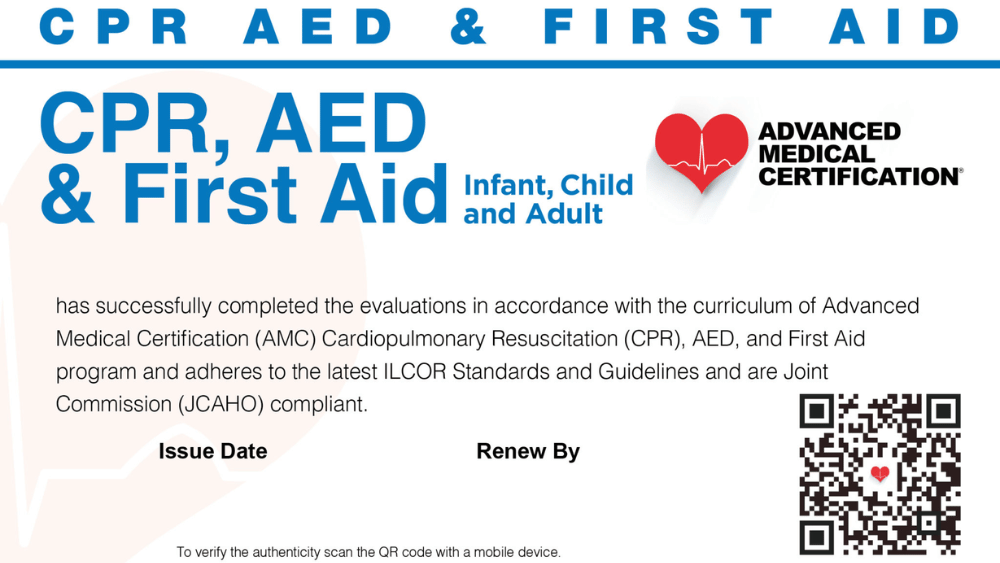
Accidents happen when we least expect them. Whether it’s a colleague suffering a severe burn in the breakroom, a child choking at a family dinner, or a stranger collapsing in a park, emergencies demand immediate action. In these critical moments, waiting for an ambulance can feel like an eternity. This is where First Aid Certification becomes invaluable. It transforms a helpless bystander into a capable first responder who can stabilize a victim until professional medical help arrives.
First Aid Certification is a specialized credential that validates an individual’s ability to provide immediate care for injuries and sudden illnesses. Unlike advanced medical training, it focuses on the initial assistance given to a victim—managing wounds, treating burns, recognizing strokes, and performing CPR. It is the bridge between the incident and professional medical care.
In recent years, the demand for First Aid Certification has surged. Increased awareness of workplace safety standards and a growing culture of emergency preparedness have driven more people to seek this training. From corporate offices mandating safety officers to parents wanting to protect their children, the realization is clear: preparedness saves lives. This article will guide you through the 10 essential steps to obtain your First Aid Certification, empowering you to become a vital asset in your community.
What Is a First Aid Certification?
First Aid Certification is a formal recognition that an individual has completed a course in basic emergency care. It is designed to equip laypeople and professionals alike with the skills to manage a wide range of medical emergencies until Emergency Medical Services (EMS) take over. While often paired with CPR (Cardiopulmonary Resuscitation), general First Aid covers a broader spectrum of physical injuries and illnesses.
The core curriculum of a standard First Aid course is comprehensive yet accessible. Participants learn how to assess a scene for safety, use personal protective equipment, and triage injuries. Specific skills taught often include:
- Wound Care: Cleaning cuts, controlling bleeding, and applying bandages.
- Musculoskeletal Injuries: Splinting fractures and managing sprains or strains.
- Environmental Emergencies: Treating burns, heat exhaustion, hypothermia, and insect stings.
- Sudden Illnesses: Recognizing signs of stroke, diabetic emergencies, and allergic reactions (anaphylaxis).
This certification is crucial for a wide demographic. For healthcare workers, it serves as a foundational competency. For educators, coaches, and daycare providers, it is often a mandatory requirement to ensure the safety of children. However, its value extends to the general public as well. Knowing how to stop a severe bleed or recognize a concussion makes homes and neighborhoods safer places to live.
Should You Pursue an Online First Aid Certification?
In our digital age, the accessibility of training has expanded significantly. Pursuing a First Aid Certification online is a viable option for many, offering a flexible alternative to traditional classroom settings. But is it the right choice for you?
Who Benefits from First Aid Certification?
Almost everyone benefits from this training. Healthcare workers and first responders are obvious candidates, but the list extends much further. Teachers need it to handle playground accidents. Construction workers need it for job site safety. Parents and caregivers benefit immensely, gaining the peace of mind that comes with knowing how to handle household accidents. Even fitness trainers and lifeguards rely on these skills daily.
Why Online Certification?
Online certification offers unparalleled flexibility. For busy professionals, students, or parents juggling multiple responsibilities, the ability to study theory and watch instructional videos at their own pace is a game-changer. It eliminates travel time and allows learners to revisit complex topics as needed. Furthermore, online courses are often more affordable, removing financial barriers to life-saving education.
Real-Life Applications
The skills learned—whether online or in-person—are universally applicable. Imagine a scenario where a family member accidentally slices their hand while cooking. An online course teaches you how to apply direct pressure and dress the wound effectively to prevent excessive blood loss and infection. Or consider a workplace scenario where a coworker faints; knowing how to position them and check their vitals is a skill that translates directly from the screen to real life.
How to Get First Aid Certification Online
Obtaining your certification is a structured process that ensures you are competent and confident. While methods vary slightly between organizations, the path generally involves these ten essential steps.
1. Find a Certification Provider
The first and most critical step is selecting a reputable provider. Not all First Aid courses are created equal. You need a certification that employers and regulatory bodies recognize. Look for organizations that adhere to guidelines set by central health authorities like the American Heart Association (AHA) or the American Red Cross.
Don’t just settle for the first result on a search engine. Investigate the provider’s history and reviews. Some local community colleges, hospitals, and private safety firms offer excellent accredited programs that might be more convenient or specialized than national chains. Ensure that the curriculum meets Occupational Safety and Health Administration (OSHA) standards if you require the certification for employment.
2. Choose the Right Course
Once you have a provider, you must select the course format that fits your needs.
- In-Person: Traditional classroom setting. Best for those who learn by doing and want immediate instructor feedback.
- Online-Only: 100% virtual. Great for knowledge acquisition, but may not meet workplace requirements for hands-on skills.
- Blended Learning: The “gold standard” for modern learners. You complete the theory online at your own pace and then attend a short in-person session for skills verification.
If you need certification for a job, check with your employer whether an online-only certification is accepted. Many employers require the hands-on component found in blended or in-person courses.
3. Register for the Course
After selecting the format, navigate to the provider’s registration portal. You will typically view a calendar of available dates for the hands-on portion (if applicable) or gain immediate access to online modules. During registration, you will provide personal details and process payment.
Interestingly, experienced individuals should look for a “challenge” option. If you have maintained your skills and are simply renewing an expired card, some providers allow you to skip the full instruction and go straight to the exams. This serves as a fast-track option for those who are already confident in their abilities, saving both time and money.
4. Complete Pre-Course Requirements
For blended learning and some in-person courses, there is often “pre-work” to complete. This usually involves watching instructional videos, reading digital manuals, or completing interactive e-learning modules.
These requirements are designed to build your theoretical foundation before you practice the physical skills. You might learn the anatomy of the respiratory system, the legal implications of providing aid (Good Samaritan laws), or the theory behind shock management. Completing these modules thoroughly is essential; they often include quizzes that you must pass to unlock the next stage of your training.
5. Attend the Training
Whether you are logging into a webinar or walking into a classroom, attending the training session is where the concepts come to life. In this phase, instructors guide you through the practical application of First Aid protocols.
You will delve into specific scenarios, such as triaging victims in a multi-person accident or safely removing a tick. Instructors will demonstrate techniques like the proper way to splint a broken arm using everyday materials or how to position a victim with a suspected spinal injury. This instruction bridges the gap between reading about a technique and actually understanding its mechanics.
6. Practice Hands-On Skills
This is the heart of First Aid training. Theory is useless without muscle memory. In a hands-on session (or during practical exercises at home for some online courses), you will physically practice the techniques.
You will learn how to wrap bandages to control severe bleeding without cutting off circulation. You might practice the Heimlich maneuver on a mannequin or role-play treating a burn victim with other students. You will handle EpiPens (trainers) to understand how to treat anaphylaxis. This physical repetition helps reduce hesitation during a real emergency, ensuring your hands know what to do even as your mind races.
7. Pass the Written Exam
To verify your knowledge, you must pass a written examination. This test covers the theoretical aspects of the curriculum. Questions typically focus on decision-making trees—knowing when to call 911, how to identify specific medical conditions, and what the correct order of operations is for treatment.
Common topics include identifying the signs of a stroke (FAST), the rule of nines for burns, and the symptoms of heat exhaustion versus heat stroke. Most providers require a passing score of around 80%. If you have paid attention during the modules and training, this exam confirms you have retained the vital information.
8. Demonstrate Practical Skills
For certification that meets OSHA or healthcare standards, a practical skills assessment is mandatory. You cannot just answer a multiple-choice question about bandaging; you must prove you can actually do it.
An instructor will observe you as you run through various emergency scenarios. You might be asked to treat a simulated compound fracture or manage a severe nosebleed. The instructor evaluates your technique, your speed, and your ability to keep the victim calm. Passing this stage proves that you can translate your knowledge into effective physical action under observation.
9. Receive Your Certification
Upon successful completion of the exams and skills assessment, you will be issued your First Aid Certification. While traditional paper cards were the norm for decades, most modern providers now issue digital eCards.
These digital certificates are incredibly convenient. They can be stored on your phone, emailed to employers, and printed whenever necessary. They typically include a QR code that employers can scan to instantly verify the validity of your training. This shift to digital reduces the risk of losing your card and streamlines the verification process for HR departments.
10. Verify Certification Validity
Finally, once certified, you must be aware of the lifespan of your certification. Most First Aid certifications are valid for two years. It is your responsibility to track this date.
Mark your calendar or set a digital reminder for three months before the expiration date. Letting your certification lapse usually means you have to retake the entire course rather than a shorter review course. Keeping your certification valid ensures you are always legally and professionally compliant, and more importantly, that your life-saving skills remain sharp.
Renewing Your First Aid Certification
First Aid is a perishable skill. Without regular practice, knowledge fades, and muscle memory degrades. This is why the two-year renewal cycle is standard across the industry.
Why Renewal Matters
Medical guidelines change based on new research. Techniques for tourniquet application or burn treatment may evolve. Renewing your certification ensures you are not using outdated methods that could potentially cause harm. It also refreshes your confidence, reminding you of protocols you haven’t thought about in months.
The Renewal Process
Renewal is generally faster than the initial certification. You typically enroll in a “Review” or “Refresher” course. These courses assume you know the basics and focus on updates to guidelines and testing your skills. You will sit through a condensed lecture, practice key skills, and retake the exams. It is a streamlined process designed to keep competent providers active.
Staying Prepared
Don’t view renewal as just a bureaucratic hurdle. View it as a commitment to safety. Regular renewal keeps you in a mindset of preparedness. It forces you to re-engage with the material, ensuring that if an emergency happens tomorrow, you won’t be grasping for memories from two years ago.
Get Your First Aid Certification and Be Prepared
Obtaining your First Aid Certification is one of the most proactive steps you can take for your community, your workplace, and your family. It is a straightforward process—find a provider, learn the skills, and pass the test—but the impact is immeasurable. By following these 10 steps, you are doing more than just adding a line to your resume; you are equipping yourself with the tools to save a life.
Emergencies are frightening because they are unexpected. But with training, fear is replaced by focused action. We encourage you to take the initiative today. Find a course, sign up, and join the ranks of those who are ready to help when it matters most. Your preparation today could be the miracle someone needs tomorrow.
FAQ
1. How long does a First Aid course take?
A typical First Aid course takes between 2 to 5 hours, depending on whether it is a standalone course or combined with CPR/AED training. Blended learning options can reduce in-person time to just 1-2 hours.
2. Can I get First Aid certified completely online?
Yes, but with caveats. While you can learn the theory online, many employers and regulatory bodies (like OSHA) require a hands-on skills component. Ensure you check your employer’s requirements before choosing an online-only option.
3. What is the difference between First Aid and CPR?
CPR (Cardiopulmonary Resuscitation) focuses specifically on cardiac arrest—keeping blood pumping when the heart stops. First Aid is broader, covering injuries like burns, cuts, fractures, and sudden illnesses. They are often taught together, but they are distinct skill sets.
4. How much does First Aid certification cost?
Costs vary by provider and location but generally range from $30 to $100. Some employers may cover this cost if it is a job requirement.
5. Is there an age limit for First Aid certification?
There is generally no strict age limit, though participants must be able to perform the skills and understand the exam material physically. Many organizations offer courses for teenagers and young adults.