
Atrial fibrillation, often referred to as AFib, is an irregular and usually very rapid heart rhythm (arrhythmia) that can lead to blood clots in the heart. It is the most common sustained heart rhythm disorder clinically encountered, affecting millions of people worldwide. Recent estimates suggest that the lifetime risk for developing AFib is one in four for men and women 40 years of age and older. While some individuals may live with the condition without noticeable issues, for others, it can significantly impact the quality of life and overall health.
This condition increases the risk of stroke, heart failure, and other heart-related complications. The irregular heartbeat means the heart is not pumping blood as efficiently as it should, which can cause symptoms ranging from fatigue to severe chest pain. Despite its prevalence, many people remain unaware they have AFib until complications arise.
The goal of this article is to provide a comprehensive overview of atrial fibrillation. We will explore its symptoms, underlying causes, and the various treatment strategies available today. Understanding AFib is the first step toward effective management and the prevention of serious health consequences. So, let’s begin by defining precisely what this condition entails.
What Is Atrial Fibrillation?
Atrial fibrillation is a medical condition characterized by an irregular, often rapid heart rate that occurs when the two upper chambers of the heart (the atria) experience chaotic electrical activity. Instead of beating effectively to move blood into the ventricles, the atria quiver or “fibrillate.” This results in inefficient blood flow and a heart rate ranging from 100 to 175 beats per minute, compared to the normal range of 60 to 100 beats per minute.
AFib is generally categorized into three types based on the duration of episodes: paroxysmal, persistent, and permanent. Paroxysmal atrial fibrillation occurs when the heart returns to a normal rhythm on its own, usually within seven days. Persistent atrial fibrillation lasts longer than seven days and typically requires treatment to restore normal rhythm. Permanent atrial fibrillation is a state where the normal heart rhythm cannot be restored, and treatment focuses on controlling the heart rate.
One of the most dangerous aspects of AFib is how it disrupts blood flow. Because the atria are not contracting properly, blood can pool inside them. This pooled blood is prone to forming clots. If a clot breaks loose, it can travel to the brain and block blood flow, causing a stroke. In fact, patients with atrial fibrillation are five times more likely to have a stroke than those without the condition.
Therefore, distinguishing AFib from other benign arrhythmias is critical. While an occasional skipped beat is common and often harmless, the chaotic rhythm of AFib requires medical intervention. Proper identification allows for the implementation of stroke prevention strategies and symptom management plans tailored to the patient’s specific type of fibrillation.

The Electrical System of the Heart and Atrial Fibrillation
To understand why atrial fibrillation occurs, it is essential to know how the heart’s electrical system functions. This system is responsible for coordinating the heartbeat, ensuring that blood is pumped efficiently to the lungs and the rest of the body.
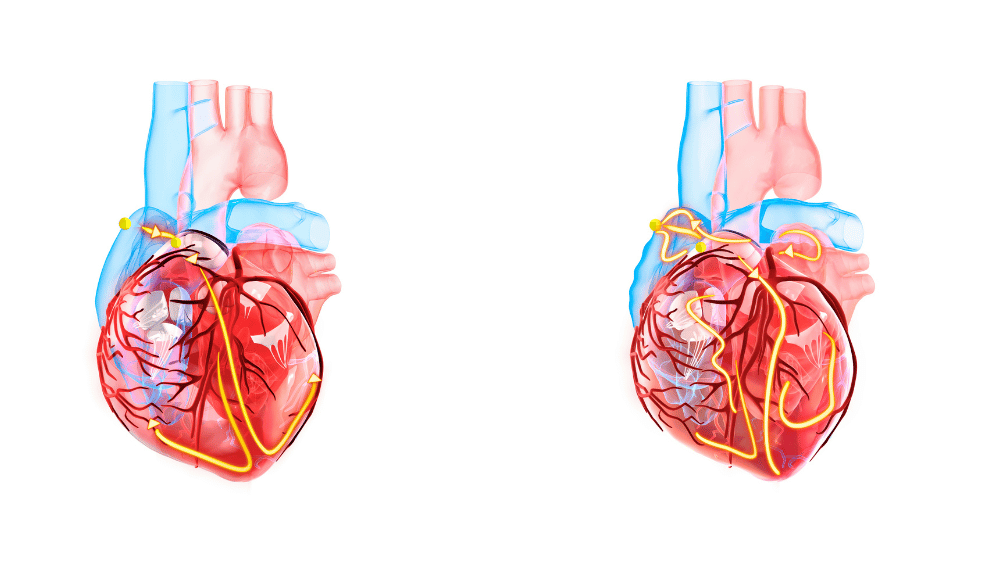
In a healthy heart, the heartbeat is initiated by the sinoatrial (SA) node, often called the heart’s natural pacemaker. Located in the upper right chamber (right atrium), the SA node generates an electrical impulse that travels through the atria, causing them to contract and push blood into the lower chambers (ventricles). The signal then reaches the atrioventricular (AV) node, which acts as a gate, slowing it slightly before passing it to the ventricles. This delay allows the ventricles to fill with blood before they contract to pump it out. This organized sequence produces a regular, rhythmic heartbeat.
In atrial fibrillation, this organized electrical system malfunctions completely. The SA node no longer controls the rhythm. Instead, chaotic electrical signals fire rapidly from multiple locations within the atria, often near the pulmonary veins. These signals bombard the AV node.
Because the AV node is overwhelmed by impulses—sometimes as many as 300 to 600 per minute—it cannot effectively filter them all. It tries to protect the ventricles by limiting the number of signals that pass through, but the result is still a rapid, completely irregular ventricular rate. The atria quiver rather than contracting strongly. This loss of “atrial kick” reduces cardiac output, leading to the irregular pulse that is the hallmark of the condition.
Recognizing the Signs and Symptoms of Atrial Fibrillation
Some people with atrial fibrillation have no symptoms and are unaware of their condition until it’s discovered during a physical exam. However, for many others, the symptoms can be distressing and disruptive to daily life.
The frequency and intensity of AFib symptoms tend to vary significantly from one individual to the next. While some patients may only feel a slight flutter in their chest, others may experience severe, debilitating symptoms that require immediate emergency care. Recognizing these signs early is crucial for preventing complications. Some of the common symptoms and signs of atrial fibrillation are discussed as follows:
- Palpitations: This is the most common symptom reported by patients. Palpitations are often described as a sensation of a racing, uncomfortable, or irregular heartbeat, or as a “flopping” in the chest. It can feel as though the heart is pounding hard against the ribcage, even when the person is at rest.
- Fatigue: Unusual tiredness or exhaustion is frequently associated with AFib. Because the heart is beating inefficiently, it cannot deliver adequate oxygen-rich blood to the body’s tissues. This often leaves patients feeling drained and unable to complete their normal daily activities without needing to rest.
- Shortness of Breath: Individuals experiencing atrial fibrillation often report difficulty breathing, or dyspnea. This occurs because the heart is not pumping effectively enough to meet the body’s oxygen demands, causing fluid to back up in the lungs or simply preventing efficient gas exchange, especially during physical activity.
- Dizziness or Lightheadedness: When the heart beats too fast or irregularly, it may fail to pump adequate blood to the brain. This drop in blood pressure can cause a person to feel dizzy, lightheaded, or woozy. In extreme cases, this may lead to fainting, also known as syncope.
- Chest Discomfort: Some patients experience mild to severe chest pain or pressure during an AFib episode. This occurs because the heart muscle is working much harder than normal to pump blood, demanding more oxygen than the blood supply can provide. This symptom should always be evaluated to rule out a heart attack.
- Weakness: Generalized weakness is also a prevalent symptom. Patients often describe feeling a sudden lack of energy or “heavy” limbs. This is a direct result of reduced cardiac output and can occur suddenly when the heart rhythm shifts from normal to AFib.
Causes of Atrial Fibrillation
The causes of atrial fibrillation are diverse, ranging from structural problems within the heart to external lifestyle factors. Understanding these causes is vital for effective treatment and prevention. The causes can be broadly categorized into heart-related issues, non-heart-related conditions, and lifestyle triggers.
Heart-Related Causes
The most common causes of AFib are abnormalities or damage to the heart’s structure. High blood pressure is the leading risk factor, as it forces the heart to work harder, causing the heart muscle to thicken and the electrical system to stretch and malfunction. Coronary artery disease and heart attacks can damage the heart tissue, creating scar tissue that interferes with electrical signals. Heart valve disorders, particularly issues with the mitral valve, can enlarge the atria and disrupt electrical pathways. Additionally, congenital heart defects present at birth and prior heart surgeries are significant risk factors.
Non-Heart-Related Causes
Several conditions outside the heart can also trigger atrial fibrillation. Thyroid disorders, specifically hyperthyroidism (overactive thyroid), can overstimulate the heart and cause rapid, irregular rhythms. Sleep apnea, a condition where breathing stops and starts during sleep, is strongly linked to AFib due to the stress it places on the cardiovascular system. Lung diseases such as chronic obstructive pulmonary disease (COPD) or pneumonia can also strain the heart. Furthermore, viral infections and severe metabolic imbalances in the blood can disrupt the heart’s electrical stability.
Age and Genetics
Age is the most significant unmodifiable risk factor for atrial fibrillation. As people age, the risk of developing the condition increases significantly, likely due to the natural wear and tear on the heart’s electrical system and the accumulation of other health issues. Genetics also plays a role; individuals with a family history of AFib are at a higher risk of developing the condition themselves. Recent research has identified specific genetic markers that may predispose certain individuals to arrhythmias.
Triggers
For some people, specific triggers can set off an episode of AFib. Stress, both physical and emotional, releases hormones that rev up the heart and can induce an arrhythmia. Stimulants are another common culprit; excessive caffeine intake from coffee or energy drinks can trigger rapid heartbeats. Alcohol is a well-known trigger, often referred to as “holiday heart syndrome,” where binge drinking leads to an acute episode of AFib. Certain medications, including over-the-counter cold remedies containing pseudoephedrine, can also act as stimulants and provoke the condition.
Diagnosis of Atrial Fibrillation
Diagnosing atrial fibrillation requires a precise determination of the heart’s rhythm and an investigation into the underlying causes. It involves an appropriate integration of medical history, physical examination, and confirmatory diagnostic studies. Let’s consider some standard methods of diagnosis available for this condition:
Medical History
The healthcare professional will begin by asking detailed questions about the patient’s symptoms. They will inquire about palpitations, when they occur, how long they last, and if there are specific triggers like caffeine or exercise. They will also review the patient’s current medical problems, medication list, and family history of heart disease to assess risk factors.
Physical Examination
The physical exam includes listening to the heartbeat with a stethoscope. The doctor listens for an irregular rhythm and checks the pulse rate, which may be rapid and inconsistent. They will also check blood pressure and look for signs of heart failure, such as swelling in the legs or feet, or signs of thyroid issues.
Electrocardiogram (ECG)
This is the primary test conducted to confirm a diagnosis of atrial fibrillation. An electrocardiogram records the heart’s electrical signals through sensors attached to the chest. It produces a graph of the heart’s rhythm. In AFib, the ECG will show the absence of “P waves” (which indicate normal atrial contraction) and an irregular ventricular response, confirming the chaotic electrical activity.
Holter Monitor and Event Recorder
Since AFib can be intermittent (paroxysmal), a standard ECG might miss it. A Holter monitor is a portable ECG device worn for 24 to 48 hours to record the heart’s activity continuously during daily life. An event recorder is similar but is worn for weeks; the patient activates it when they feel symptoms, allowing doctors to capture the rhythm during an episode.
Echocardiogram
This test uses sound waves to create moving pictures of the heart. An echocardiogram evaluates the heart’s structure and function. It helps identify underlying heart disease, such as valve problems, heart failure, or atrial blood clots, which are crucial for determining the best treatment plan.
Treatment Options for Atrial Fibrillation
Treatment for atrial fibrillation depends on the severity of symptoms, the underlying cause, and how long the patient has had the condition. The goals are generally to reset the rhythm, control the rate, and prevent blood clots. The management strategy is highly individualized.
Medications
Pharmacological therapy is often the first line of defense. Medications are used for three primary purposes:
Rate Control: For many patients, simply slowing the heart rate is enough to improve symptoms. Beta-blockers (like metoprolol) and calcium channel blockers (like diltiazem) are commonly prescribed to slow conduction at the AV node, keeping the ventricles from beating too fast. Digoxin may also be used, particularly in less active patients.
Rhythm Control: These medications, known as antiarrhythmics, are designed to help the heart return to its normal sinus rhythm and stay there. Drugs such as flecainide, propafenone, amiodarone, or sotalol may be used. These require careful monitoring due to potential side effects.
Anticoagulants: Because AFib increases the risk of stroke significantly, blood thinners are crucial. Traditional blood thinners like warfarin or newer direct oral anticoagulants (DOACs) like apixaban, rivaroxaban, or dabigatran prevent clots from forming in the atria, drastically reducing stroke risk.
Cardioversion
If medications don’t work, cardioversion may be used to reset the heart rhythm. Electrical cardioversion involves delivering a controlled electric shock to the heart while the patient is sedated. This shock stops the heart’s electrical activity for a split second, allowing the SA node to resume control. Chemical cardioversion achieves a similar result using medications given intravenously in a hospital setting.
Ablation Therapy
Catheter ablation is an invasive procedure used when medications and cardioversion aren’t effective. A doctor threads thin, flexible tubes (catheters) through a vein in the groin to the heart. The tips of these catheters use heat (radiofrequency energy) or extreme cold (cryotherapy) to destroy small areas of heart tissue that are creating the abnormal electrical signals. This creates scar tissue that blocks the chaotic signals, often curing the arrhythmia.
Lifestyle Modifications
While not a cure on their own, lifestyle changes are essential for managing AFib. Eating a heart-healthy diet low in salt and saturated fats helps control blood pressure and cholesterol. Regular physical activity helps maintain a healthy weight, which reduces the burden on the heart. Managing stress through yoga or meditation can reduce triggers. Limiting or avoiding alcohol and stimulants like caffeine is also highly recommended to prevent episodes.
Staying Ahead of Atrial Fibrillation Risks!
Atrial fibrillation is a complex condition with features that can considerably affect a person’s quality of life and long-term health. However, with early diagnosis, appropriate treatment, and diligent management, patients can lead whole, active, and healthy lives.
The most important thing with atrial fibrillation is to work closely with your healthcare team to develop a treatment plan that fits your specific needs. Whether through medication, procedures like ablation, or lifestyle changes, managing the rhythm and reducing stroke risk is possible. Do not ignore palpitations or unusual fatigue. Working proactively with professionals is the key to staying ahead of the risks associated with this common arrhythmia.