
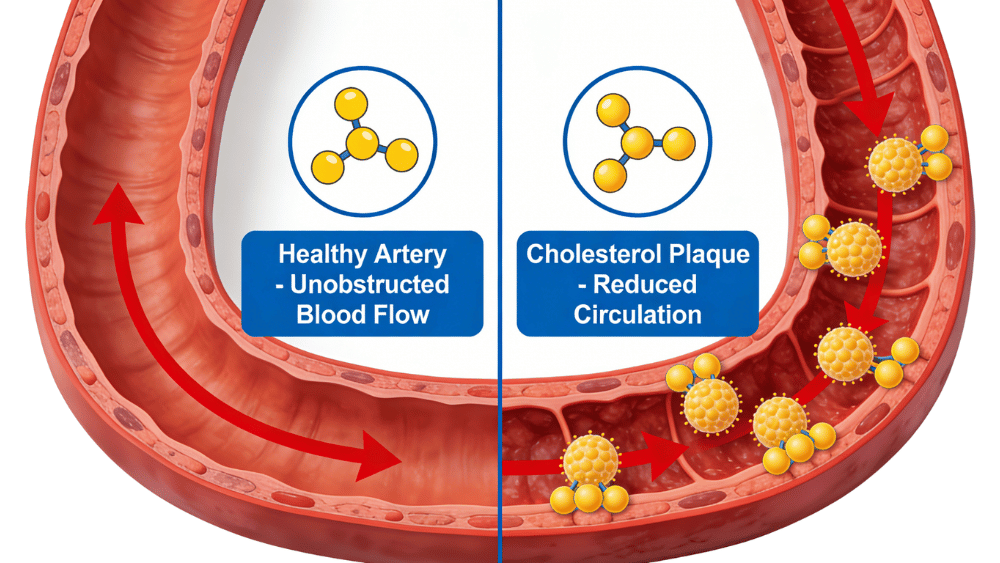
Cholesterol is a vital, waxy substance your body uses to build healthy cells, produce hormones, and make vitamin D. Your liver produces all the cholesterol you need. Still, it’s also found in foods from animal sources. While essential for many functions, an imbalance can pose a significant threat to your cardiovascular system. The two main types are low-density lipoprotein (LDL), often called “bad” cholesterol, and high-density lipoprotein (HDL), known as “good” cholesterol. When LDL levels become too high, cholesterol can start to accumulate in your arteries.
This buildup, called plaque, can narrow and harden the arteries, a condition known as atherosclerosis. Over time, this process restricts blood flow and dramatically increases your risk of serious health events, including heart attack and stroke. High cholesterol often has no symptoms, making it a silent danger. Understanding how elevated cholesterol affects your heart and arteries is the first step toward prevention and management. This article will explore the symptoms, causes, and cardiovascular effects of high cholesterol, as well as diagnosis, treatment, and prevention strategies to protect your long-term health.
How High Cholesterol Levels Impact Your Heart and Arteries
Cholesterol is a vital, waxy substance your body uses to build healthy cells, produce hormones, and make vitamin D. Your liver produces all the cholesterol you need. Still, it’s also found in foods from animal sources. While essential for many functions, an imbalance can pose a significant threat to your cardiovascular system. The two main types are low-density lipoprotein (LDL), often called “bad” cholesterol, and high-density lipoprotein (HDL), known as “good” cholesterol. When LDL levels become too high, cholesterol can start to accumulate in your arteries.
This buildup, called plaque, can narrow and harden the arteries, a condition known as atherosclerosis. Over time, this process restricts blood flow and dramatically increases your risk of serious health events, including heart attack and stroke. High cholesterol often has no symptoms, making it a silent danger. Understanding how elevated cholesterol affects your heart and arteries is the first step toward prevention and management. This article will explore the symptoms, causes, and cardiovascular effects of high cholesterol, as well as diagnosis, treatment, and prevention strategies to protect your long-term health.
What Happens When Cholesterol Levels Are Too High?
Hypercholesterolemia is the medical term for high blood cholesterol. For optimal health, your body should maintain specific cholesterol levels: total cholesterol below 200 mg/dL, LDL (“bad”) cholesterol under 100 mg/dL, and HDL (“good”) cholesterol above 60 mg/dL. When LDL levels rise above the ideal range, it’s considered hypercholesterolemia. Mildly elevated levels may not cause immediate issues, but as LDL cholesterol continues to accumulate, it can lead to dangerous cardiovascular complications, including heart attack and stroke. Excess LDL particles can embed in the walls of your arteries, triggering a process called atherosclerosis.
This process begins when LDL cholesterol oxidizes, prompting an inflammatory response in the arterial wall. Your immune system sends white blood cells to clear away cholesterol, but they can become trapped, forming fatty streaks that develop into hard, fibrous plaques. These plaques narrow the arteries, restricting the flow of oxygen-rich blood to vital organs like the heart and brain. Over time, the arterial walls become damaged and less flexible. Globally, high cholesterol is a significant public health concern. It is estimated to cause about one-third of all ischemic heart disease cases. In the United States, nearly 38% of adults have high cholesterol levels, putting a large portion of the population at a significantly higher risk for developing cardiovascular disease, the leading cause of death worldwide.
What Signs To Look for High Cholesterol Levels?
High cholesterol typically develops without noticeable symptoms in its early stages. Many people are unaware they have it until a serious cardiovascular event occurs. However, as cholesterol buildup (atherosclerosis) progresses and restricts blood flow, certain signs and symptoms may appear. These often signal that the arteries are significantly narrowed. The following are potential indicators, along with the reasons they occur.
Chest Pain or Angina
When plaque narrows the coronary arteries, the heart muscle may not receive enough oxygen-rich blood, especially during physical activity or stress. This can cause chest pain, known as angina. It might feel like pressure, squeezing, or tightness in the chest. Angina is a direct warning sign that the heart is struggling due to reduced blood flow, a common consequence of advanced atherosclerosis driven by high cholesterol. It is a critical symptom that requires immediate medical evaluation.
Shortness of Breath
If the heart cannot pump blood effectively due to blockages in the coronary arteries, it can lead to shortness of breath. This occurs because the heart is working harder to supply the body with oxygen, and fluid may back up into the lungs. You might feel breathless after minimal exertion or even while at rest. This symptom indicates that high cholesterol is significantly impacting your heart’s function and its ability to circulate blood efficiently throughout the body.
Fatigue or Weakness
High cholesterol can lead to poor circulation as plaque narrows arteries throughout your body. When blood flow is restricted, your muscles and organs do not receive the oxygen and nutrients they need to function correctly. This can result in persistent fatigue, general weakness, and an exhausted feeling, even after getting enough rest. This systemic lack of energy can be a subtle yet important sign that your cardiovascular system is under strain due to atherosclerosis.
Xanthomas (Fatty Deposits Under the Skin)
In some cases, particularly in people with a genetic predisposition to very high cholesterol, fatty deposits can accumulate under the skin. These are called xanthomas. They appear as yellowish, waxy bumps or patches, often on the eyelids (xanthelasma), hands, elbows, or Achilles tendons. While not painful, xanthomas are a visible and direct sign of markedly elevated blood cholesterol levels and serve as a clear indicator of an underlying lipid disorder.
Numbness or Coldness in Extremities
High cholesterol can lead to peripheral artery disease (PAD), where plaque builds up in the arteries that supply blood to your legs and feet. This reduced blood flow can cause symptoms like numbness, tingling, weakness, or a persistent cold feeling in the lower limbs. Because the extremities are not receiving adequate circulation, they may feel different from the rest of the body. These sensations are a warning that cholesterol buildup is affecting more than just your heart.
Heart Palpitations
When plaque from high cholesterol affects the heart’s electrical system or causes blockages, it can lead to an irregular heartbeat, or arrhythmia. You may experience heart palpitations, which feel like a fluttering, racing, or pounding sensation in your chest. These sensations occur when the heart’s rhythm is disrupted. While palpitations can have many causes, they can be a sign that high cholesterol is beginning to interfere with the heart’s normal electrical function, which requires medical attention.
Stroke Symptoms
Atherosclerosis caused by high cholesterol can also affect the arteries leading to the brain. If a plaque ruptures and a clot forms, or if an artery becomes completely blocked, it can trigger a stroke. Symptoms of a stroke appear suddenly and include numbness or weakness in the face, arm, or leg (especially on one side), confusion, trouble speaking or understanding speech, vision problems, and a severe headache. A stroke is a medical emergency that requires immediate intervention.
What Causes Cholesterol Levels to Become Too High?
While high cholesterol can affect anyone, certain factors significantly increase your risk. In many cases, it is a result of lifestyle choices, but genetics and other medical issues can also play a significant role. Understanding the root causes is essential for effective prevention and management. The most common contributors are discussed below.
Unhealthy Diet
A diet rich in saturated and trans fats is one of the primary drivers of high cholesterol. Saturated fats, found in red meat, full-fat dairy products, and certain oils, prompt your liver to produce more LDL (“bad”) cholesterol. Trans fats, often present in fried foods and commercially baked goods, not only raise LDL but also lower HDL (“good”) cholesterol. Consuming excessive dietary cholesterol from animal-based foods can also contribute to elevated levels in some people. Adopting a diet focused on fruits, vegetables, whole grains, and lean proteins is a critical step in managing cholesterol.
Lack of Physical Activity
A sedentary lifestyle has a direct negative impact on your cholesterol profile. Regular physical activity helps raise HDL cholesterol levels, which act as scavengers, removing excess cholesterol from your arteries and transporting it back to the liver for disposal. Conversely, a lack of exercise is associated with lower HDL levels and higher LDL and triglyceride levels. Engaging in moderate aerobic exercise, such as brisk walking, swimming, or cycling, for at least 150 minutes per week can significantly improve your cholesterol numbers and overall cardiovascular health.
Genetics (Familial Hypercholesterolemia)
For some individuals, high cholesterol is not caused by lifestyle but is inherited. Familial hypercholesterolemia (FH) is a genetic disorder that affects the body’s ability to remove LDL cholesterol from the blood, leading to very high levels from a young age. People with FH have a much higher risk of developing premature heart disease. This condition often requires aggressive treatment, including medication, in addition to a healthy lifestyle. If you have a family history of high cholesterol or early heart attacks, genetic testing and early screening are crucial for diagnosis and management.
Obesity
Carrying excess body weight, particularly around the abdomen, is strongly linked to unhealthy cholesterol levels. Obesity tends to increase LDL cholesterol and triglycerides while lowering beneficial HDL cholesterol. Fat cells, especially visceral fat surrounding the organs, influence the body’s production and management of cholesterol and other fats. The good news is that even modest weight loss can have a significant positive effect. Losing just 5-10% of your body weight can help lower LDL and raise HDL, substantially reducing your cardiovascular risk.
Certain Medical Conditions
Several underlying health problems can disrupt the body’s lipid metabolism, leading to high cholesterol. Conditions like type 2 diabetes, hypothyroidism (underactive thyroid), and chronic kidney disease are known to affect cholesterol levels adversely. In these cases, high blood sugar, insufficient thyroid hormone, or impaired kidney function can alter how the body produces and clears cholesterol. Managing these primary conditions effectively is key to controlling secondary hypercholesterolemia and protecting your heart and arteries from damage.
How Can High Cholesterol Levels Affect Your Heart and Arteries?
High cholesterol doesn’t just stay in your bloodstream; it actively damages your cardiovascular system over time. When LDL levels remain elevated, the progressive buildup of plaque leads to severe and potentially life-threatening conditions. The heart and arteries are particularly vulnerable to this damage. The following are the most significant ways high cholesterol impacts your cardiovascular health.
Atherosclerosis (Plaque Buildup)
Atherosclerosis is the foundational disease process caused by high cholesterol. It begins when excess LDL particles seep into the walls of your arteries. This triggers an inflammatory response, in which immune cells rush to the site but end up consuming cholesterol and forming fatty streaks. Over time, these streaks harden into plaques made of cholesterol, cellular waste, and fibrin. As these plaques grow, they narrow and stiffen the arteries, restricting blood flow to vital organs. This gradual hardening and narrowing of the arteries is the underlying cause of most cardiovascular diseases.
Heart Attack
A heart attack, or myocardial infarction, occurs when blood flow to a part of the heart muscle is severely reduced or completely blocked. This is most often caused by atherosclerosis in the coronary arteries, which supply blood to the heart. High cholesterol contributes directly to the formation of plaques in these arteries. If a plaque ruptures, a blood clot can form on its surface, obstructing the artery and cutting off oxygen to the heart muscle. Without prompt treatment to restore blood flow, the affected heart tissue begins to die, leading to permanent damage.
Stroke
Similar to a heart attack, an ischemic stroke happens when the blood supply to the brain is interrupted. High cholesterol fosters the development of atherosclerotic plaques in the carotid arteries (in the neck) or smaller arteries within the brain. If a plaque in one of these arteries ruptures and forms a clot, it can travel to the brain and block a blood vessel, depriving brain cells of oxygen. A stroke can also occur if the plaque grows large enough to block the artery entirely. The resulting brain damage can cause sudden and lasting disability.
Peripheral Artery Disease (PAD)
Peripheral artery disease (PAD) develops when atherosclerosis narrows the arteries that supply blood to your limbs, most commonly the legs. High cholesterol is a primary cause of the plaque buildup that characterizes PAD. Reduced blood flow to the legs can cause symptoms like cramping pain during walking (claudication), numbness, weakness, and non-healing sores on the feet or legs. In severe cases, PAD can lead to critical limb ischemia, where tissue death occurs, potentially requiring amputation. PAD is a strong indicator of widespread atherosclerosis throughout the body.
Aneurysms
Atherosclerosis not only narrows arteries but can also weaken their walls. Over time, the constant pressure of blood flow against a plaque-damaged arterial wall can cause a section of the artery to bulge outward, creating an aneurysm. Aneurysms can form in any artery, but they are most dangerous in the aorta (the body’s main artery) or in the brain. If an aneurysm ruptures, it can cause life-threatening internal bleeding. While multiple factors contribute to aneurysms, the arterial wall damage caused by long-term high cholesterol is a significant risk factor.
How Does a Doctor Diagnose High Cholesterol?
Diagnosing high cholesterol is primarily done through a simple blood test called a lipid panel or lipid profile. This test measures several key components in your blood to give a comprehensive picture of your cholesterol status. The results will show your total cholesterol, low-density lipoprotein (LDL) or “bad” cholesterol, high-density lipoprotein (HDL) or “good” cholesterol, and triglycerides, another type of fat in your blood. For the most accurate results, you are often asked to fast for 9 to 12 hours before the test. A diagnosis of high cholesterol is made based on these numbers, particularly an elevated LDL level.
Beyond the initial blood test, your doctor might recommend additional diagnostic tools if they suspect that high cholesterol has already started to affect your arteries. A coronary calcium scan, which is a specialized CT scan, can detect calcium-containing plaque in your coronary arteries. The presence of calcium is a clear sign of atherosclerosis. Another standard test is a carotid ultrasound, which uses sound waves to create images of the carotid arteries in your neck and check for plaque buildup that could increase stroke risk.
A complete diagnosis also involves a thorough review of your personal and family medical history. Your doctor will ask about your diet, exercise habits, smoking status, and whether close relatives have had high cholesterol or heart disease, especially at a young age. This information helps create a complete risk profile, enabling a more accurate assessment and a personalized treatment plan to manage your cholesterol levels and protect your cardiovascular health.
What Treatments Can Help Lower High Cholesterol?
Treatment for high cholesterol depends on your overall cardiovascular risk, which is influenced by your cholesterol levels, blood pressure, age, and other health factors. For many, lifestyle changes are the first line of defense, but medication is often necessary to reach safe levels. The goal is to lower LDL cholesterol to reduce the risk of heart attack and stroke. The following strategies are commonly used to manage high cholesterol.
Dietary Changes
One of the most effective ways to lower cholesterol is through diet. This involves reducing your intake of saturated fats, found in red meat and full-fat dairy, and eliminating trans fats, common in fried foods and processed baked goods. Instead, focus on heart-healthy foods like soluble fiber, which is abundant in oats, apples, and beans, as it can bind to cholesterol and remove it from your body. Incorporating healthy fats, such as those in avocados, nuts, and olive oil, and foods rich in omega-3 fatty acids, like salmon and flaxseeds, can also help lower LDL and triglycerides.
Exercise
Regular physical activity is a powerful tool for improving your cholesterol profile. Exercise helps raise high-density lipoprotein (HDL), the “good” cholesterol that removes harmful LDL from your arteries. Aim for at least 150 minutes of moderate-intensity aerobic activity, like brisk walking or cycling, or 75 minutes of vigorous activity, such as running, each week. In addition to boosting HDL, regular exercise can help lower LDL and triglyceride levels, contribute to weight loss, and improve overall heart health. Even small increases in daily activity can make a meaningful difference over time.
Medications (Statins and Others)
When lifestyle changes are not enough, doctors often prescribe medication. Statins are the most common and effective class of drugs, working by blocking a substance your liver needs to make cholesterol. This causes your liver to remove cholesterol from your blood. If statins are not effective enough or cause side effects, other medications may be used. These include ezetimibe, which reduces dietary cholesterol absorption, and PCSK9 inhibitors. These powerful injectable drugs help the liver absorb more LDL cholesterol, thereby lowering the amount circulating in your blood.
Weight Management
Losing excess weight can significantly impact cholesterol levels. Being overweight, especially with excess fat around your abdomen, tends to increase harmful LDL cholesterol and triglycerides while lowering beneficial HDL. Fortunately, even a modest weight loss of 5 to 10 percent of your body weight can substantially improve your cholesterol numbers. A combination of a healthy, calorie-controlled diet and regular physical activity is the most effective approach to achieving and maintaining a healthy weight, which in turn helps reduce your overall cardiovascular risk.
Smoking Cessation
Quitting smoking is one of the best things you can do for your heart health and cholesterol levels. Smoking damages the walls of your blood vessels, making them more prone to accumulating fatty deposits (plaque). It also lowers HDL (“good”) cholesterol levels. When you stop smoking, your HDL levels often improve quickly. Within a year of quitting, your risk of heart disease is cut in half compared to a smoker. This single change can dramatically improve your body’s ability to manage cholesterol and protect your arteries from further damage.
Monitoring and Follow-Up
Managing high cholesterol is a long-term commitment that requires regular monitoring. After starting a treatment plan, your doctor will likely order follow-up blood tests, typically within a few months, to see how well the lifestyle changes or medications are working. These check-ups allow your healthcare provider to adjust your treatment as needed. Consistent monitoring ensures your cholesterol levels stay within a healthy range, helping to track progress and maintain motivation. It is a critical part of preventing the long-term complications associated with high cholesterol.
How to Deal With a High Cholesterol Emergency?
In an emergency where high cholesterol has led to an acute event like a heart attack or stroke, rapid and decisive action is critical. These events occur when plaque buildup causes a sudden blockage of a key artery. Knowing how to respond can significantly impact the outcome. If you or someone around you shows signs of a cardiovascular emergency, call 911 immediately. Do not attempt to drive to the hospital. Emergency medical services can begin life-saving treatment en route.
The first step is to recognize the symptoms. For a heart attack, look for chest pain or discomfort, shortness of breath, jaw, neck, or back pain, and lightheadedness. For a stroke, remember the acronym F.A.S.T.: Face drooping, Arm weakness, Speech difficulty, Time to call 911. While waiting for help, if a heart attack is suspected and the person is not allergic and has no bleeding risk, emergency dispatchers may advise them to chew an aspirin to help thin the blood and reduce clotting.
Upon arrival at the hospital, emergency interventions are crucial. For a heart attack, treatments like angioplasty and stenting can be performed to open the blocked artery and restore blood flow. For an ischemic stroke, clot-busting medications (thrombolytics) can dissolve the blockage if administered within a specific timeframe. These immediate medical treatments are essential to minimize damage to the heart muscle or brain tissue and are the most crucial step in managing a high-cholesterol emergency.
Managing Cholesterol Levels to Protect Your Heart and Arteries!
The connection between your cholesterol levels and heart health is direct and significant. While your body needs cholesterol to function, too much “bad” LDL cholesterol can lead to atherosclerosis, narrowing your arteries and setting the stage for serious cardiovascular events like heart attack and stroke. High cholesterol often develops silently, which is why understanding the risks, recognizing potential signs, and knowing the causes are so important for protecting your long-term health. Fortunately, high cholesterol is a manageable condition through lifestyle adjustments and, when necessary, medical treatment.
Taking control of your cholesterol levels is one of the most powerful steps you can take for your cardiovascular well-being. A commitment to a heart-healthy lifestyle—including a balanced diet low in saturated fats, regular physical activity, and maintaining a healthy weight—can make a substantial difference. Regular check-ups with your doctor are essential for monitoring your levels and creating a personalized management plan. We encourage you to learn more about managing cholesterol and to consult a healthcare professional for guidance tailored to your specific needs.