
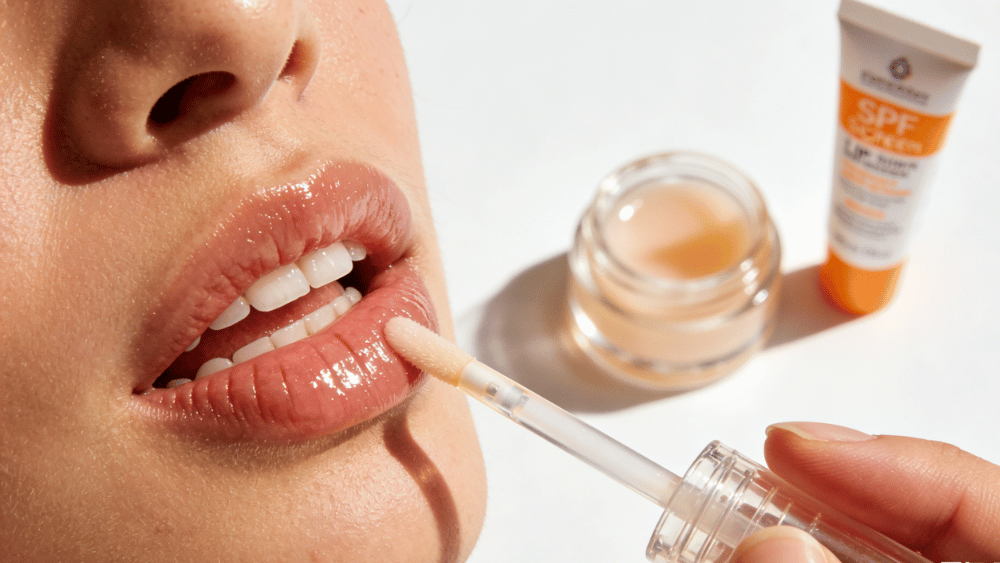
Chapped lips, or cheilitis, is a common condition where the delicate skin on the lips becomes dry, cracked, or sore. Unlike other areas of your body, your lips lack oil glands, which means they cannot produce their own moisture to protect against the elements. A combination of environmental factors, such as dry weather, internal issues like dehydration, and personal habits like frequent lip licking, often triggers this uncomfortable irritation. Chapped lips can be annoying and painful, but they are typically not a significant cause for alarm. Most cases are mild and can be resolved quickly with proper care.
However, persistent or severe dryness can sometimes indicate underlying health issues, allergic reactions, or nutritional deficiencies that may require attention. Although anyone can experience chapped lips at any time, they are particularly prevalent during cold, arid months or among those who do not drink enough water. If you find yourself constantly battling peeling or bleeding skin, this blog offers a complete guide to treating chapped lips effectively, along with essential prevention tips to help you maintain a healthy, smooth smile year-round.
What is Cheilitis?
The medical term used for chapped lips is “cheilitis.” Cheilitis can affect either the upper or lower lip, or both, and is defined as inflammation of the lips characterized by dryness, cracking, and sometimes bleeding. Typically, it manifests as flaking skin and redness, and while it is often a temporary annoyance, persistent cases may indicate underlying conditions such as allergic contact dermatitis or vitamin deficiencies.
Your lips are unique because the skin is much thinner than the skin on the rest of your body. More importantly, unlike other skin areas, your lips do not contain oil glands (sebaceous glands). These glands help to keep the rest of your skin hydrated and protected. Without this natural oil barrier, your lips are highly susceptible to drying out. As air, wind, or cold temperatures strip moisture from the skin, it can become dry and irritated. This makes them highly prone to injury or splitting, resulting in painful cracks or fissures.
Although uncomfortable, most cases of cheilitis are minor and extremely common. It is estimated that nearly everyone will experience chapped lips at some point, particularly during winter months or in arid climates. While exact global statistics vary, dermatological surveys suggest that millions of people seek advice for lip dryness annually. Only a small percentage of cases are severe enough to require prescription treatment or indicate a systemic infection, such as angular cheilitis (a fungal infection at the corners of the mouth). However, recognizing the difference between simple dryness and chronic cheilitis is essential for effective treatment.

How Many Types of Chapped Lips Occur?
Healthcare providers typically categorize cheilitis by severity and underlying cause. While most people experience simple dryness, understanding the specific type of chapped lips you have is crucial for choosing the proper treatment. Generally, cases can be divided into two main categories: mild, typical chapped lips, and severe, chronic forms that may require medical intervention.
These two types of chapped lips are discussed as follows:
Mild Chapped Lips
Mild chapped lips are the most common form, often referred to as simple cheilitis. This type originates from environmental factors or temporary habits. Since the lips lack the protective oil layer found on other skin, they are susceptible to external changes. Dry air, cold wind, and low humidity are frequent culprits that strip moisture away.
This type of chapped lip is frequently treatable at home and is typically not serious. It usually presents as slight peeling, roughness, or tightness. Because of their exposure to the elements and habits such as lip-licking, mild cases are prevalent among both children and adults. Simple remedies, such as applying a good-quality lip balm and staying hydrated, are generally sufficient to restore the skin’s barrier and heal the dryness within a few days.
Severe Chapped Lips
Severe chapped lips, or chronic cheilitis, go beyond simple dryness and often involve inflammation, deep cracks, or infections. Conditions such as angular cheilitis (inflammation at the corners of the mouth) or actinic cheilitis (damage from long-term sun exposure) fall into this category. This type of condition can be more painful and may cause bleeding, crusting, or burning sensations.
Severe cases are less common but tend to be more persistent. They often do not respond to standard lip balms and may require medical attention due to underlying causes such as fungal infections, vitamin deficiencies (e.g., B12 or iron), or allergic reactions. Immediate care or a consultation with a dermatologist can help you receive a proper diagnosis. Treatments might include antifungal creams, prescription ointments, or dietary changes to address the root cause and prevent long-term damage.
Top 10 Causes of Chapped Lips
Chapped lips can affect anyone, but understanding their root cause is the first step toward effective treatment. Most triggers are manageable and not very serious. When you are aware of common causes, you can seek timely remedies, learn how to properly care for your lips, and reduce the risk of recurring discomfort. The 10 common causes of chapped lips are discussed below:
Dry Air
The most frequent cause of chapped lips is dry air. Low humidity, whether from arid climates or heated indoor spaces, draws moisture directly from the thin skin on your lips. This dehydration effect causes the lips to lose their natural suppleness and become dry and tight, leading to flaking and cracking. Using a humidifier can add moisture back into the air and protect your lips.
Dehydration
When you do not drink enough water, your entire body suffers from dehydration, and your lips are often one of the first places to show it. Insufficient water intake means there is not enough fluid to keep your skin, including your lips, plump and healthy. This internal dryness leads directly to external cracking and peeling, making hydration essential for smooth, comfortable lips.
Frequent Lip Licking
It may seem like a quick fix, but licking your lips is one of the worst habits for your health. When you apply saliva to your lips, it feels temporarily soothing, but it evaporates very quickly. As it dries, it strips away any natural moisture your lips had, leaving them even drier and more irritated than before, creating a vicious cycle of licking and dryness.
Allergies and Medications
Certain ingredients in lip products, toothpaste, or even foods can trigger allergic contact dermatitis, causing red, irritated, and chapped lips. Additionally, some prescription medications, such as retinoids (like isotretinoin for acne) or diuretics, are known to have a drying effect on the body and can contribute to severe cheilitis as a side effect. It is essential to identify and avoid known allergens.
Sun Exposure
The skin on your lips is highly delicate and contains very little melanin, the pigment that helps protect skin from the sun. Unprotected exposure to UV rays can cause significant damage, leading to dryness, burning, and peeling. Over time, chronic sun damage can result in a precancerous condition called actinic cheilitis, making daily SPF lip protection a necessity.
Cold Weather
Cold temperatures and harsh winds are a classic combination for causing chapped lips. The cold air contains very little moisture, and biting winds accelerate the process of moisture loss from your lips. This constant environmental assault weakens the lip’s natural barrier, leading to painful cracking and irritation that often worsens throughout the winter months. Protecting your lips with a scarf can help.
Vitamin Deficiencies
A lack of essential nutrients can manifest as chapped lips. Deficiencies in B vitamins, particularly B2 (riboflavin), B9 (folate), and B12, are strongly linked to cheilitis, especially cracks at the corners of the mouth. Insufficient iron and zinc levels can also impair skin health and healing, making it crucial to maintain a balanced diet for healthy lips.
Infections
Persistent cracks, especially at the corners of the mouth (angular cheilitis), can become a breeding ground for infections. A buildup of saliva in these corners can allow for an overgrowth of yeast (Candida) or bacteria (Staphylococcus), leading to inflammation, crusting, and pain. These infections require specific antifungal or antibacterial treatments to heal correctly and prevent recurrence.
Irritants
Many everyday products contain ingredients that can irritate the sensitive skin on your lips. Fragrances, flavorings (like cinnamon or mint), and preservatives found in some lip balms, lipsticks, and even chewing gum can cause contact irritation. Similarly, acidic or spicy foods can directly irritate the lips, leading to redness, stinging, and dryness. Choosing hypoallergenic products can make a difference.
Underlying Health Conditions
Sometimes, persistently chapped lips are a symptom of a broader health issue. Conditions like eczema and psoriasis can affect the lips, causing chronic dryness and flaking. Autoimmune disorders, such as Sjögren’s syndrome, can reduce saliva production, leading to a dry mouth and lips. Similarly, thyroid disease can disrupt skin moisture, making cheilitis a recurring problem that requires medical management.
Quick Ways to Treat Chapped Lips
A case of chapped lips usually needs minimal intervention and can often be managed effectively at home. Avoid forcefully peeling dead skin or biting your lips, especially if they are already sore or bleeding, as this can worsen irritation and delay healing. Here are five easy steps to treat chapped lips quickly and effectively:
Apply a Lip Balm
The most direct way to soothe chapped lips is to apply a high-quality lip balm or ointment throughout the day. Look for products containing occlusive ingredients like beeswax, shea butter, or petroleum jelly, which seal in moisture and protect the skin from further damage. Avoid balms with menthol, camphor, or strong fragrances, as these can sting and cause more dryness. Apply a thick layer before bed to allow the ingredients to repair your lips while you sleep.
Stay Hydrated
Internal hydration is just as important as external treatment. When your body is dehydrated, it pulls water from non-essential areas like your skin and lips, leaving them dry and shriveled. Drinking plenty of water helps restore moisture from the inside out, keeping your lips plump and resilient. Aim for at least eight glasses of water a day, and increase your intake if you consume caffeine or alcohol, as these substances act as diuretics and can worsen dehydration.
Avoid Lip Licking
Breaking the habit of licking your lips is crucial for recovery. Saliva contains digestive enzymes that are too harsh for the delicate skin on your lips. When you lick them, the saliva evaporates rapidly, stripping away natural oils and leaving the surface drier than before. If you feel the urge to lick your lips to soothe them, reach for your lip balm instead. Keeping them coated with a moisturizer will reduce the temptation and allow the skin to heal undisturbed.
Use a Humidifier
Dry indoor air, especially during winter when heating systems are running, can aggressively dehydrate your skin. Using a humidifier in your home, particularly in your bedroom while you sleep, adds essential moisture back into the air. This increased humidity helps prevent your lips and nasal passages from drying out overnight. Ensure you clean the humidifier regularly, according to the manufacturer’s instructions, to avoid mold and bacteria from growing and causing respiratory issues.
Exfoliate Gently
If your lips are flaky but not cracked or bleeding, gentle exfoliation can help smooth the surface. Use a sugar-based lip scrub or a soft-bristled toothbrush to buff away dead skin cells gently. This process reveals fresh skin and allows your lip balm to penetrate more effectively. Be extremely gentle to avoid tearing the skin, and always follow up immediately with a thick layer of hydrating balm to protect the new, sensitive skin underneath.
Effective Ways to Prevent Chapped Lips
Chapped lips can be disruptive and uncomfortable, but taking proactive steps can help you avoid them altogether. Simple habits and adjustments can keep your lips healthy, reduce dryness, and protect them from environmental factors that commonly irritate them. Here’s how to prevent chapped lips and minimize your risk:
Use a Lip Balm with SPF
The skin on your lips has very little melanin, making it highly vulnerable to sun damage. Just like the rest of your skin, your lips need protection from harmful UV rays. Unprotected sun exposure can cause dryness, burning, and long-term damage. Make it a daily habit to apply a lip balm with at least SPF 30. This simple step helps prevent sunburn and reduces your risk of developing actinic cheilitis, a precancerous condition.
Avoid Irritants
Many lip products contain ingredients that can cause more harm than good. Be mindful of potential irritants like fragrance, flavorings (such as mint or cinnamon), menthol, and camphor, as these can trigger allergic reactions or dryness. Pay attention to how your lips react to new products, including toothpaste and lipstick. If you notice irritation, switch to hypoallergenic or fragrance-free options to keep your lips calm and healthy.
Maintain a Balanced Diet
Your diet plays a significant role in the health of your skin, including your lips. Ensure you are eating foods rich in essential vitamins and minerals that support skin barrier function. Deficiencies in B vitamins, iron, and zinc are known to cause chapped lips. Incorporate leafy greens, lean proteins, nuts, and fruits into your meals to provide the nutrients needed to keep your lips smooth, hydrated, and resilient from the inside out.
Protect Lips in Harsh Weather
Cold wind and low humidity are the primary culprits for chapped lips. Before heading outdoors in cold or windy conditions, create a physical barrier to shield your lips from the elements. Applying a thick layer of an occlusive ointment or balm can provide protection. For extra defense, wrap a scarf around the lower part of your face. This simple act traps moisture and prevents the harsh air from stripping away your lips’ natural hydration.
Prevent Chapped Lips with Effective Tips Today!
Chapped lips are a common but uncomfortable condition. Knowing how to treat them quickly allows you to find relief and prevent them from worsening. While most cases of cheilitis are not severe, you should consult a dermatologist if you experience persistent cracking or irritation, as it could signal an underlying health issue. With proper care and awareness, most people can manage chapped lips without any long-term consequences. Severe dryness that does not respond to home remedies may occur in a minority of individuals and warrants professional evaluation.
Adopting simple, preventative habits is the best way to maintain healthy lips. Make daily use of a hydrating lip balm, stay well-hydrated by drinking plenty of water, and protect your lips from sthe un and wind. By incorporating these small steps into your routine, you can keep your lips smooth and comfortable year-round. Accidents and irritation happen, but being prepared can make all the difference. Take control of your lip health today and learn how to manage dryness effectively.