

Witnessing someone collapse from sudden cardiac arrest is a terrifying experience, but knowing you can help can change everything. In these critical moments, a device called a defibrillator can be the difference between life and death.
A defibrillator is a medical device designed to restore a normal heartbeat by delivering an electric shock to the heart. It is used to correct life-threatening arrhythmias, particularly those that cause sudden cardiac arrest (SCA). By providing a controlled electrical shock, the defibrillator can stop the chaotic rhythm and allow the heart’s natural pacemaker to regain control.
Defibrillators, especially Automated External Defibrillators (AEDs), are now found in many public places, making them accessible to bystanders in an emergency. Knowing how to use one is a vital skill that can empower anyone to save a life. This guide will cover everything you need to know about defibrillators, from their components to a step-by-step guide on how to use one effectively.
What is Defibrillation and When Do We Perform It?
Imagine a situation where someone suddenly collapses, is unresponsive, and isn’t breathing normally. A healthcare professional or a trained bystander might say, “We need to defibrillate!” This means they are going to use a defibrillator to deliver an electric shock to the person’s heart. Defibrillation is a critical procedure performed in several life-threatening situations:
Sudden Cardiac Arrest
Sudden Cardiac Arrest (SCA) occurs when the heart abruptly stops beating effectively. This is often due to a malfunction in the heart’s electrical system, which causes an irregular heartbeat (arrhythmia). During SCA, blood flow to the brain and other vital organs ceases. Defibrillation is a primary treatment for SCA caused by certain arrhythmias, aiming to jolt the heart back into a normal rhythm and restore circulation.
Ventricular Fibrillation (VF)
Ventricular Fibrillation is a chaotic and disorganized electrical activity in the heart’s lower chambers (the ventricles). Instead of pumping blood, the ventricles quiver uselessly. This is one of the most common causes of SCA. A defibrillator delivers a shock to stop this electrical chaos, giving the heart a chance to reset and resume a normal heartbeat. Without immediate defibrillation, VF is fatal within minutes.
Pulseless Ventricular Tachycardia (VT)
Pulseless Ventricular Tachycardia is another life-threatening arrhythmia where the ventricles beat very fast but ineffectively. The heart rate is so rapid that the ventricles do not have time to fill with blood before they contract, so no blood is pumped to the body. Like VF, this results in cardiac arrest. Defibrillation is used to interrupt this dangerously fast rhythm and allow a regular, effective heartbeat to return.
Post-Heart Attack
While not all heart attacks lead to cardiac arrest, a severe heart attack can damage the heart muscle and make it electrically unstable. This can trigger lethal arrhythmias like VF or VT. In a hospital setting, if a patient recovering from a heart attack develops one of these rhythms, a defibrillator is used immediately to stabilize their heart and prevent sudden death.
What are the Components of a Defibrillator?
Modern defibrillators, especially Automated External Defibrillators (AEDs), are designed to be user-friendly, even for those with no medical training. To understand how they work, it is helpful to know their main parts:
Electrodes/Pads
These are large adhesive pads placed directly on the patient’s bare chest. Each pad has a conductive gel surface that allows it to adhere firmly to the skin and deliver an effective electrical shock. The pads are connected to the central defibrillator unit by cables. They are single-use and come in sealed packages, often with diagrams showing the correct placement on the body.
Energy Selector
On manual defibrillators used by healthcare professionals, there is an energy selector dial or button. This allows the operator to choose the intensity of the electric shock, measured in joules. The appropriate energy level is determined based on the patient’s condition and the type of defibrillator. In contrast, AEDs automatically select the proper energy level, simplifying the process for lay rescuers.
Display Screen
Most modern defibrillators have a display screen. On manual devices, this screen displays the patient’s electrocardiogram (ECG), allowing the healthcare provider to analyze the heart rhythm in real time. On AEDs, the screen may display simple visual instructions, diagrams for pad placement, and text prompts that supplement the device’s voice commands, guiding the user through each step of the process.
Battery/Power Source
Reliable, long-lasting batteries power defibrillators, ensuring they are ready for use at a moment’s notice. AEDs in public spaces perform regular self-checks to ensure the battery is charged and the device is functional, often indicated by a flashing status light. The battery is a critical component, as a device with a dead battery is useless in an emergency.
Voice/Visual Prompts
Perhaps the most crucial feature of an AED is its system of clear, calm voice and visual prompts. Once turned on, the device guides the user through the entire rescue process, from applying the pads to performing CPR. These instructions are direct, such as “Apply pads to the patient’s bare chest” or “Do not touch the patient,” making the device accessible to anyone, regardless of their training level.
Shock Button
The shock button is the control that activates the electric shock. On most AEDs, this button is large, prominently displayed, and often flashes when a shock is advised. The device will instruct the user to “clear” the patient (ensure no one is touching them) before pressing the button. Some fully automatic AED models do not have a shock button and will deliver the shock automatically after a verbal warning.
How to Use a Defibrillator
Using a defibrillator, especially an AED, is a straightforward process designed to be performed under pressure. Each step is crucial for ensuring patient safety and maximizing the chances of a successful outcome. Here’s a step-by-step guide:
Preparation
First, ensure the scene is safe for both you and the patient. Check for any immediate dangers, such as traffic or water. Then tap the person and shout to check for a response. If they do not respond and are not breathing normally, call emergency help immediately (e.g., 911). If an AED is available, either send someone to get it or retrieve it yourself if it is nearby.
Once you have the AED, please turn it on. Most devices have a large green button to power them on. As soon as the device is on, it will begin to speak to you, providing clear, step-by-step instructions. Your job is to listen carefully and follow the voice prompts.
Placing the Pads
The AED will instruct you to apply the pads to the patient’s bare chest. You must expose the patient’s chest by cutting or tearing their clothing. The pads will have diagrams showing their correct placement. One pad goes on the upper right side of the chest, just below the collarbone. The other pad goes on the lower left side of the chest, on the side of the rib cage, below the armpit. Press the pads firmly to ensure good contact with the skin.
Analyzing the Rhythm
Once the pads are in place, the AED will instruct you to stop CPR and “Do not touch the patient.” The device will then automatically analyze the patient’s heart rhythm to determine if a shock is needed. No one must touch the patient during this analysis, as movement can interfere with the reading. The device is programmed to detect shockable rhythms, such as ventricular fibrillation and pulseless ventricular tachycardia.
Delivering the Shock
If the AED determines that a shock is required, it will charge and advise you to deliver one. The voice prompt will say something like, “Shock advised. Charging. Stay clear of the patient.” A shock button will then begin to flash. Before pressing it, loudly announce “Clear!” and visually check to ensure no one is touching the patient. Once you are sure everyone is clear, press the flashing shock button to deliver the electricity.
Post-Shock Care
Immediately after the shock is delivered, the AED will prompt you to resume CPR, starting with chest compressions. Do not wait to check for a pulse. Continue performing CPR for two minutes. After two minutes, the AED will prompt you to stop again so it can re-analyze the heart rhythm. Continue to follow the AED’s instructions—alternating between CPR and analysis/shock—until emergency medical services arrive and take over.
Defibrillator Types and Their Applications
Not all defibrillators are the same. They range from simple devices designed for public use to complex machines used by highly trained medical professionals. The type of defibrillator used depends on the setting, the user’s training, and the patient’s needs.
Automated External Defibrillators (AEDs)
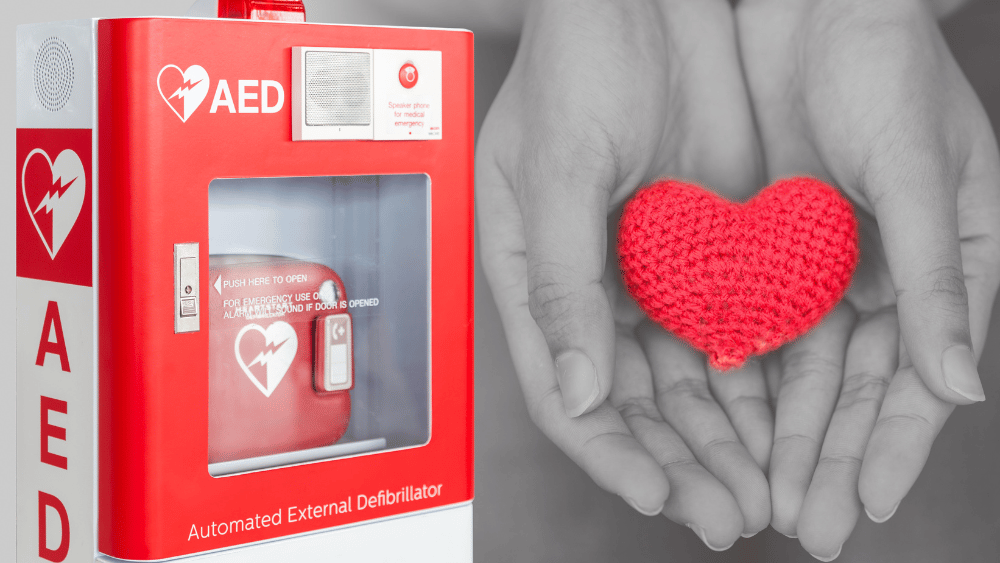
AEDs are portable, lightweight devices explicitly designed for use by the general public. They are found in airports, schools, shopping malls, and offices. AEDs are “automated” because they analyze the heart rhythm and determine if a shock is necessary without any interpretation from the user. They provide simple voice and visual prompts to guide the rescuer through every step, making them incredibly easy to use in an emergency. Their widespread availability has been instrumental in improving survival rates for out-of-hospital cardiac arrest.
Manual Defibrillators
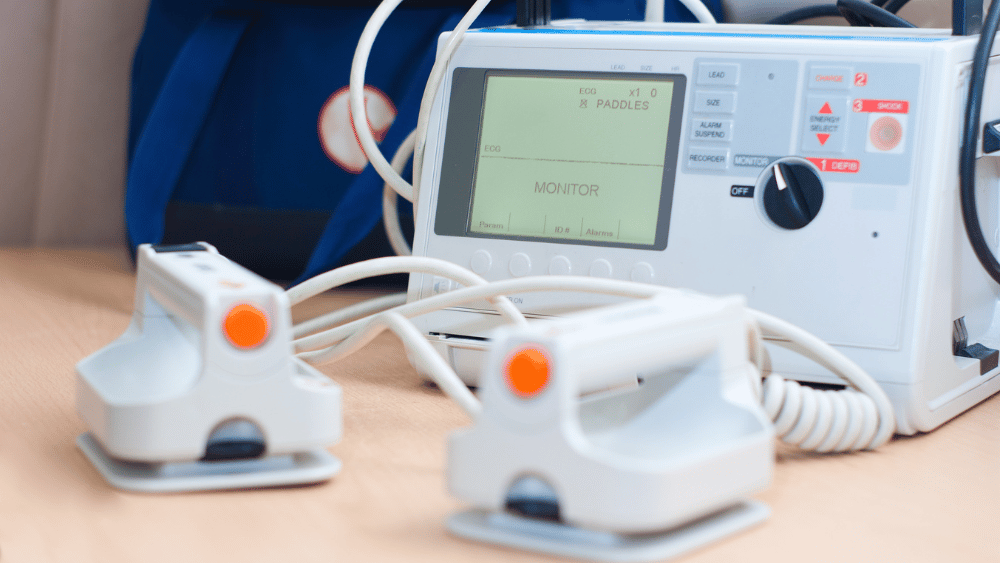
Manual defibrillators are the devices commonly seen in hospitals and on ambulances. They are operated by trained healthcare professionals, such as paramedics, nurses, and doctors. Unlike AEDs, manual defibrillators require the operator to interpret the patient’s ECG rhythm on a screen, decide if a shock is needed, and manually select the energy level (in joules) before delivering the shock. These devices offer more advanced capabilities, including pacing and synchronized cardioversion for other types of arrhythmias.

Implantable Cardioverter Defibrillators (ICDs)
An ICD is a small, battery-powered device that is surgically implanted in the chest or abdomen of a patient who is at high risk for life-threatening arrhythmias. It works like a built-in defibrillator. The ICD continuously monitors the patient’s heart rhythm. If it detects a dangerous rhythm, such as ventricular fibrillation or ventricular tachycardia, it will automatically deliver a low- or high-energy shock to restore a normal heartbeat. ICDs are a long-term solution for preventing sudden cardiac death in high-risk individuals.

Side Effects and Risks of Defibrillation
While defibrillation is a life-saving procedure, it is not without potential side effects and risks. The goal is always to save a life, but it is essential to be aware of the possible complications.
Skin Burns
The most common side effect of defibrillation is skin burns at the site where the electrode pads are placed. The high-energy electrical current can cause first- or second-degree burns, resulting in redness, blistering, and pain. These burns are usually minor and heal over time, but they can be uncomfortable for the patient during recovery. Ensuring the pads have good contact with the skin and are free of air pockets can help minimize this risk.
Muscle Pain
The powerful electrical shock delivered during defibrillation causes a massive, involuntary contraction of all the muscles in the chest. This can lead to significant muscle soreness and pain after the procedure, similar to severe muscle strain. Patients may also experience back pain. This discomfort is temporary and can be managed with pain medication, but it can be pretty intense in the days following the event.
Emotional Distress
Surviving a cardiac arrest is a physically and emotionally traumatic experience. Patients may suffer from anxiety, depression, or post-traumatic stress disorder (PTSD) as they come to terms with their near-death experience. Bystanders who perform defibrillation may also experience emotional distress, feeling the weight of the responsibility and replaying the event in their minds. Psychological support is integral to recovery for both the patient and the rescuer.
Device Malfunction
Although rare, device malfunction is a risk. This could include a failure to deliver a shock, a shock delivered at the wrong time, or a battery failure. AEDs in public spaces must undergo regular maintenance and self-checks to minimize this risk. In a hospital setting, equipment is regularly tested by biomedical engineers. However, like any electronic device, failure is a possibility, which underscores the importance of well-maintained equipment.
Special Considerations for Using a Defibrillator
While using an AED is designed to be simple, some situations require extra awareness and special precautions to ensure safety and effectiveness.
Wet Environments
Water is an excellent conductor of electricity. Using a defibrillator in a wet environment poses a risk of electric shock to the rescuer and bystanders. Before applying the pads, move the patient out of standing water. Quickly wipe the patient’s chest dry to ensure the pads will adhere properly and the shock is delivered effectively. If it is raining, try to provide some shelter to keep the patient as dry as possible.
Pacemakers or ICDs
If the patient has a visible lump under the skin of their chest, it may be an implanted pacemaker or an ICD. Do not place the defibrillator pads directly over this device, as it can block the electrical current from reaching the heart and may damage the implanted device. Instead, position the pad at least one inch away from the pacemaker or ICD. The AED can still be used safely.
Children
Cardiac arrest in children is less common than in adults and is often caused by breathing problems rather than a primary heart issue. However, if a defibrillator is needed, it is best to use one equipped with pediatric pads and a child-specific energy setting. These pads are smaller and deliver a lower-energy shock. If pediatric pads are not available, it is acceptable to use adult pads, ensuring they do not touch each other on the child’s smaller chest.
Metal Surfaces
Metal can also conduct electricity. Avoid defibrillating a patient who is lying on a metal surface, such as a metal bleacher or grate. If possible, move the patient to a non-conducting surface before delivering a shock to prevent the current from traveling through the metal rather than through the patient’s heart. Also, be mindful of jewelry; remove any necklaces that might interfere with pad placement, but do not waste time on items that are not in the way.
Final Thoughts
A defibrillator is a powerful tool with the incredible potential to restart a heart and save a life. From the user-friendly AEDs in public spaces to the advanced manual devices in hospitals, these machines are a critical link in the chain of survival for sudden cardiac arrest. Knowing how to use one is no longer a skill reserved for medical professionals; it empowers everyone to be a hero in a moment of crisis.
The simplicity of modern AEDs means that anyone can step up and make a difference. By following the clear voice prompts, you can provide life-saving care until emergency services arrive. We encourage everyone to become familiar with the location of AEDs in their community and workplace. Taking a certified CPR and AED training course is one of the best ways to build the confidence and skills needed to act decisively in an emergency. Your willingness to help could be what saves a life.