
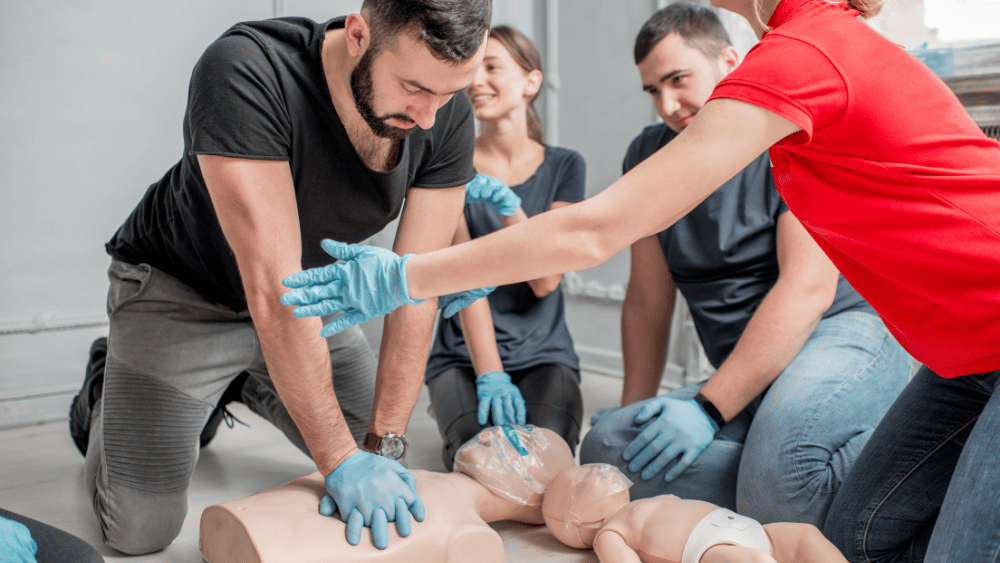
Imagine witnessing a medical emergency—a colleague collapsing at work, a child choking at a picnic, or a stranger injured in a car accident. In these critical moments, your ability to act can be the difference between life and death. First aid is more than just a set of skills; it is a vital bridge between an accident and professional medical care. Whether treating severe injuries, managing cardiac arrests, or assisting with respiratory issues, immediate intervention significantly increases the chances of survival and recovery.
However, medical science is not static. Just as technology evolves, so do the protocols for emergency care. Every few years, major health organizations review the latest clinical research and real-world data to refine first aid guidelines. The 2026 updates represent a significant leap forward, incorporating new evidence on how the body responds to trauma and illness. These changes are designed to make techniques more effective, easier to learn, and more adaptable to diverse scenarios.
The purpose of this article is to explore the 2026 updates to first-aid techniques and to understand their profound impact on saving lives. We will delve into specific protocol changes, explain the science behind them, and provide actionable guides to ensure you are prepared to respond with confidence and competence in any emergency.
What Are the Changes in First Aid Techniques for 2026?
The landscape of emergency response is shifting. The 2026 updates to first aid guidelines introduce several key changes aimed at addressing specific types of emergencies more effectively. These updates are not just theoretical; they are practical adjustments that improve how responders—both professional and laypeople—manage critical situations.
Enhanced Focus on Oxygenation in Respiratory Emergencies
For years, the emphasis in CPR has been heavily placed on chest compressions. While compressions remain vital for maintaining blood flow, the 2026 guidelines place renewed focus on oxygenation—specifically, rescue breaths—for certain types of cardiac arrest. Data has shown that in emergencies like drowning, opioid overdoses, or prolonged respiratory arrest, the blood becomes oxygen-depleted much faster than in sudden cardiac arrest caused by heart issues. In these scenarios, circulating oxygen-deprived blood is less effective. Therefore, the new protocols stress the importance of timely rescue breaths alongside compressions to ensure vital organs receive the oxygen they desperately need.
Updated Guidelines for Wound Care
Wound management has also been revised. Previous advice often focused on aggressive cleaning or the use of strong antiseptics immediately. The 2026 insights suggest a gentler approach to preserve tissue health while preventing infection. The new standard emphasizes thorough irrigation with clean, running water (or saline) as the most effective initial step, moving away from hydrogen peroxide or alcohol, which can damage healthy cells. Additionally, there are updated recommendations on “wet-to-moist” healing environments for certain types of abrasions, encouraging the use of modern dressings that maintain moisture balance rather than letting wounds “air out” and scab over.
Revised Techniques for Pediatric First Aid
Treating children requires a different approach than treating adults, and the 2026 guidelines further refine these distinctions. One significant update involves the precision of chest compression depth for pediatric CPR. The new guidance moves away from broad age ranges and focuses more on the child’s physical size, recommending compressions that are one-third the depth of the chest (up to 2.4 inches). Furthermore, airway management techniques for infants have been updated to prevent neck overextension, which can actually block a baby’s flexible airway.
Improved Use of AEDs in Diverse Scenarios
Automated External Defibrillators (AEDs) are becoming more innovative and more accessible. The 2026 guidelines expand the recommendations for AED use, specifically regarding infants and distinct physiological situations. Historically, there was hesitation about using AEDs on infants under one year old. The updated protocols clarify that with pediatric pads or a key-switch attenuator (which reduces the energy dose), AEDs should be used as soon as possible for infants in cardiac arrest. This shift aims to reduce the time to defibrillation for the youngest patients, significantly improving survival odds.
Why Do These Updates Matter?
You might wonder why guidelines change. Isn’t a heartbeat the same today as it was ten years ago? While human physiology remains constant, our understanding of it deepens. These updates are crucial because they directly translate to better survival rates and recovery outcomes.
Reflecting the Latest Science
Medical research is a continuous process of testing and validation. The 2026 updates are the result of rigorous analysis of global data. For instance, studies on opioid-related cardiac arrests have provided clear evidence that the “compressions-only” approach, while excellent for general public simplicity, was less practical for overdose victims who were primarily suffering from respiratory failure. By updating the guidelines to reflect this, we align our actions with the patient’s actual physiological needs. This ensures that first aid is not just a ritual, but a scientifically backed intervention.
Improving Survival Rates
The ultimate goal of any first aid update is to save more lives. Even minor adjustments can have massive impacts on survival statistics. For example, refining the technique for pediatric compressions reduces the risk of internal injury while ensuring the heart pumps enough blood to the brain. This preserves neurological function, meaning a child is not only more likely to survive but also more likely to recover without permanent brain damage. By adopting these more effective methods, we act as better stewards of life during the crucial minutes before an ambulance arrives.
Ensuring Competence in Emergencies
Confidence comes from competence. When responders know that their training is current and based on the best available knowledge, they are less likely to hesitate. Hesitation is the enemy of emergency response. Updates serve as a necessary “refresh” button for the community, prompting professionals and laypeople alike to retrain and practice. This culture of continuous learning ensures that when an emergency strikes, the responder isn’t relying on a vague memory from a class taken 15 years ago, but on fresh, effective protocols.
Hands-Only vs. Traditional First Aid: When to Use Each
One of the most common points of confusion is when to use “Hands-Only” CPR versus the traditional method involving rescue breaths. The 2026 guidelines provide clarity on how to distinguish these approaches to maximize effectiveness, based on the responder’s training and the specific situation.
Hands-Only First Aid
Hands-Only CPR consists of chest compressions without rescue breaths. It is recommended primarily for teen and adult victims who suddenly collapse in an out-of-hospital setting—likely due to a cardiac event.
- Why it works: When an adult’s heart stops suddenly, their lungs and blood usually still have a reserve of oxygen. The most urgent need is to push that oxygenated blood to the brain. Stopping to give breaths can interrupt blood flow.
- When to use: This technique is ideal for untrained bystanders or those who are uncomfortable performing mouth-to-mouth resuscitation. It removes the “ick factor” and complexity, encouraging more people to act. If you see someone collapse in a mall or office, call 911 and push hard and fast in the center of the chest.
Traditional First Aid
Traditional CPR combines chest compressions with rescue breaths (typically at a 30:2 ratio).
Why it works: In specific emergencies, the blood is oxygen-deprived. Circulating oxygen-poor blood won’t save the brain. Breaths are necessary to refill the lungs.
When to use: This method is essential for:
-
- Infants and children (who rarely suffer cardiac arrest, but often have respiratory issues).
- Drowning victims.
- Victims of drug overdose.
- Anyone who has been unconscious and not breathing for a prolonged period.
- Trained responders who are confident in their ability to deliver breaths.
Fundamental First Aid Skills: Step-by-Step Guide
Regardless of the specific updates, the core framework of responding to an emergency remains consistent. Mastering these fundamental steps provides a mental checklist to follow when adrenaline is high.
Assess the Situation and Call for Help
Before rushing in, pause for a second. Is the scene safe? Are there hazards like traffic, fire, or live wires? You cannot help if you become a victim yourself. Once safety is confirmed, check the victim for responsiveness. Tap their shoulder and shout, “Are you okay?” If there is no response, point to a specific person and say, “Call 911 and get an AED.” If you are alone, call 911 immediately (put it on speaker) and then begin care.
Perform Basic Life Support
If the person is unresponsive and not breathing (or only gasping):
- Position: Place the person on their back on a firm, flat surface.
- Hand Placement: Place the heel of one hand in the center of the chest (lower half of the sternum) and the other hand on top. Interlock fingers.
- Compressions: Push hard and fast. Aim for a depth of at least 2 inches (but no more than 2.4 inches) and a rate of 100–120 compressions per minute (to the beat of “Stayin’ Alive”).
- Recoil: Let the chest come back up fully after each push. This refills the heart with blood.
- AED: If an AED arrives, turn it on immediately and follow the voice prompts.
Manage Wounds and Bleeding
For traumatic injuries involving bleeding:
- Safety: Wear gloves if available to protect against bloodborne pathogens.
- Direct Pressure: Apply firm, direct pressure to the wound with a clean cloth or sterile gauze. Do not stop to check if bleeding has slowed; maintain pressure.
- Elevation: If possible and if no fracture is suspected, raise the injured limb above the heart.
- Dressing: Once bleeding is controlled, wrap the wound snugly with a bandage. If blood soaks through, do not remove the first layer; add more layers on top.
- Tourniquet: For life-threatening bleeding on a limb that cannot be controlled by pressure, apply a tourniquet 2-3 inches above the wound and tighten until bleeding stops.
First Aid for Children and Infants: Key Differences
Children are not just small adults. Their anatomy and the likely causes of their emergencies differ significantly, requiring specialized care techniques.
Age-Specific Techniques
- Infants (under 1 year): Use two fingers (or the two-thumb encircling technique if there are two rescuers) for compressions. The depth should be about 1.5 inches. Rescue breaths are crucial. Use gentle puffs of air, just enough to make the chest rise.
- Children (1 year to puberty): You may use one or two hands for compressions, depending on the child’s size. The depth should be about 2 inches (or one-third the depth of the chest).
- Ratio: If you are a lone rescuer, use the standard 30:2 ratio. If two rescuers are present, switch to a 15:2 ratio for infants and children to prioritize oxygen delivery.
Special Equipment
When using an AED on a child under 8 years old or under 55 pounds, use pediatric pads if available. These pads reduce the shock energy to a level safe for a smaller heart. If pediatric pads are not available, use adult pads. Place one on the center of the chest and one on the center of the back so they do not touch.
Common Pediatric Emergencies
- Choking: For infants, do not use abdominal thrusts. Instead, alternate between 5 back blows and 5 chest thrusts. For children, use the Heimlich maneuver (abdominal thrusts).
- Burns: Children’s skin is thinner and burns more easily. Cool the burn with cool (not cold) running water for at least 10 minutes. Do not apply ice, butter, or creams.
- Fractures: Children’s bones are more flexible but can still break. Immobilize the injury in the position you found it using a splint, and seek medical care.
Staying Prepared with Updated First Aid Knowledge
The 2026 updates to first aid techniques serve as a potent reminder that emergency preparedness is a lifelong journey, not a one-time achievement. The shift toward evidence-based practices—like prioritizing oxygenation for specific cardiac arrests and refining pediatric care—demonstrates a commitment to saving more lives through more innovative science.
However, reading about these updates is only the first step. Knowledge fades without practice, and techniques evolve. We strongly encourage every reader to seek out a recertification course or a refresher class. Whether you are a parent, a teacher, or simply a concerned citizen, staying current with your training builds the confidence needed to act decisively when seconds count. In an emergency, your updated knowledge is the most valuable tool you possess.
FAQs
1. When do the 2026 first aid changes take effect?
While major guidelines are released periodically (typically every 5 years), training centers usually begin teaching the new curriculum shortly after the official release, often within a few months of the announcement.
2. Is Hands-Only CPR still effective?
Yes, absolutely. Hands-Only CPR remains the recommended method for untrained bystanders witnessing sudden cardiac arrest in adults. It is highly effective at circulating oxygen that is already in the blood.
3. Can I use adult AED pads on an infant?
Yes, but only if pediatric pads are unavailable. If you must use adult pads, ensure they do not touch each other. Place one on the front of the chest and one on the back.
4. Why are rescue breaths vital for drowning victims?
Drowning leads to a lack of oxygen in the blood (hypoxia) before the heart stops. Therefore, compressions alone circulate oxygen-poor blood. Rescue breaths are needed to re-oxygenate the blood to save the brain and heart.