
Inflammation is the body’s natural defense mechanism against injury or infection. While often associated with pain and redness, it is actually a complex biological response designed to protect the body and initiate healing. Without inflammation, infections could become deadly, and simple wounds would never heal. However, this powerful defense system is a double-edged sword; while essential for recovery, uncontrolled or chronic inflammation can lead to severe health issues.
Recent scientific advancements have deepened our understanding of the intricate cellular signals and pathways involved in the inflammatory response. It is not merely a symptom to be suppressed but a vital process to be understood. From a scraped knee to fighting off a flu virus, inflammation is the unsung hero of our immune system.
This article aims to demystify this critical biological process. We will explore the fundamental purpose of inflammation, break down its stages—from initial vascular changes to final tissue repair—and examine the internal and external factors that influence it. Furthermore, we will discuss the clinical significance of inflammation in diagnosing and treating diseases, helping you appreciate the delicate balance your body maintains to keep you healthy.
What is Inflammation?
Inflammation is defined as the body’s localized protective response to injury, irritation, or infection. It is a fundamental part of the immune system’s arsenal, acting as a biological “911 call” that mobilizes immune cells, blood vessels, and molecular mediators to the site of damage. Its primary goal is to eliminate the initial cause of cell injury, clear out necrotic cells and tissues damaged by the original insult and the inflammatory process, and initiate tissue repair.
Physiologically, inflammation is a mechanism of survival. When tissues are injured by bacteria, trauma, toxins, heat, or any other cause, the damaged cells release chemicals, including histamine, bradykinin, and prostaglandins. These chemicals cause blood vessels to leak fluid into the tissues, causing swelling. This helps isolate the foreign substance from further contact with body tissues.
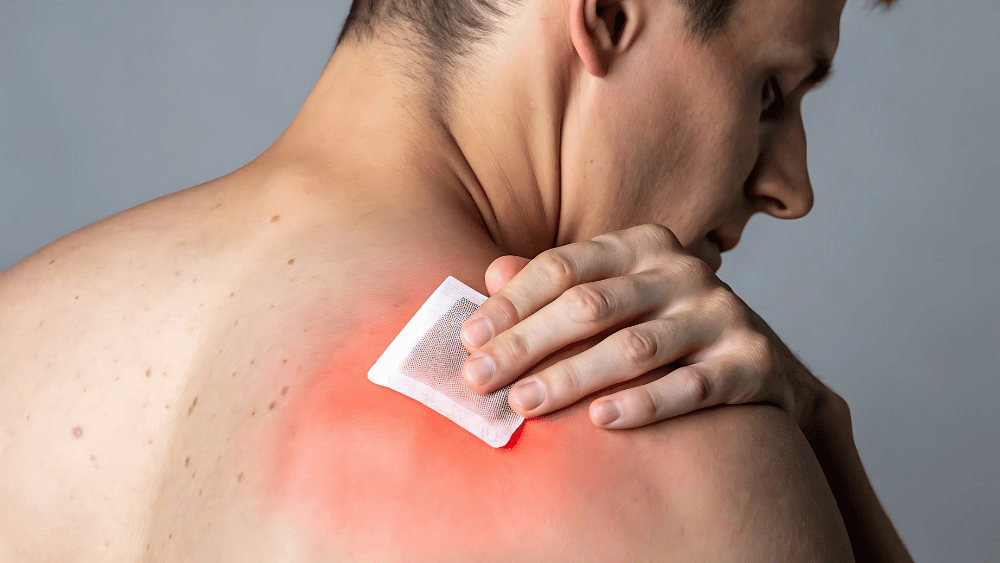
The term “inflammation” comes from the Latin word “inflammare,” meaning “to set on fire.” This etymology reflects the visible signs of the process: heat and redness. Historically, the four cardinal signs of inflammation were described by the Roman physician Celsus in the first century AD: rubor (redness), calor (heat), tumor (swelling), and dolor (pain). A fifth sign, functio laesa (loss of function), was added later by Rudolf Virchow in the 19th century.
It is crucial to distinguish between the two main types: acute and chronic. Acute inflammation is the immediate, short-term response to sudden body damage (like cutting your finger). Chronic inflammation is slow, long-term inflammation that lasts for months to years (like arthritis). While acute inflammation is healing, chronic inflammation is destructive.
Stages of Inflammation
The inflammatory process is a highly choreographed sequence of events. Once you understand what inflammation is, it is vital to recognize how it progresses. This process can be divided into five main stages:
1. Vascular Changes (Vasodilation)
The immediate response to injury occurs in the blood vessels. When tissue is damaged, it releases chemical mediators like histamine and nitric oxide. These chemicals act on the smooth muscle of blood vessels, causing them to relax and widen. This process is known as vasodilation.
Vasodilation significantly increases the diameter of local capillaries and arterioles, leading to a surge in blood flow to the affected area. This increased blood volume is responsible for two of the cardinal signs of inflammation: redness (rubor) and heat (calor). By bringing more blood to the site, the body ensures a steady supply of immune cells, nutrients, and oxygen needed for defense and repair.
This stage sets the foundation for everything that follows. Without vasodilation, the immune system’s heavy artillery—white blood cells—would struggle to reach the battlefield efficiently. The speed of this reaction is remarkable; within seconds of an injury, the local vascular network begins to transform to support the healing effort.
2. Increased Vascular Permeability
Following vasodilation, the structure of the blood vessels themselves changes. Under normal conditions, the endothelial cells lining the blood vessels form a tight barrier, keeping blood cells and plasma proteins inside. However, during inflammation, chemical mediators such as leukotrienes and histamine cause these endothelial cells to contract and separate slightly, creating gaps.
This increased permeability allows protein-rich fluid (plasma) to leak out of the blood vessels and into the surrounding tissue. This fluid is known as exudate. The accumulation of exudate in the tissue spaces causes swelling (tumor), another cardinal sign of inflammation. While swelling can be painful as it compresses nerve endings, it serves a critical purpose.
The exudate carries vital proteins, such as antibodies and fibrinogen, directly to the injury site. Fibrinogen helps form a fibrin mesh that walls off the area, preventing the spread of infectious agents. Furthermore, the fluid dilutes any toxins present, minimizing their harm to the tissue. This stage essentially prepares the terrain for the arrival of the cellular cleanup crew.
3. Cellular Recruitment (Leukocyte Migration)
With the pathway prepared by vascular changes, the immune system mobilizes its soldiers: the white blood cells, or leukocytes. The recruitment of these cells from the bloodstream to the tissue is a complex, multi-step process often described as the leukocyte adhesion cascade.
First, blood flow slows down in the dilated vessels (stasis), allowing leukocytes to move toward the vessel walls—a process called margination. Next, the leukocytes begin to “roll” along the endothelial surface, guided by adhesion molecules known as selectins. This rolling slows them down further until they firmly adhere to the vessel wall, mediated by molecules called integrins.
Once firmly attached, the leukocytes squeeze through the gaps in the endothelial cells (diapedesis) and enter the tissue. They then move toward the exact site of injury by following a chemical trail laid down by bacteria or damaged cells, a process known as chemotaxis. Neutrophils are typically the first responders in acute inflammation, arriving within hours to attack bacteria. Monocytes follow later, differentiating into macrophages to handle larger debris and orchestrate long-term healing.
4. Phagocytosis and Debris Clearance
Once the leukocytes, particularly neutrophils and macrophages, arrive at the scene, their primary job is to clean up the mess. This process is called phagocytosis—literally “cell eating.” These immune cells recognize pathogens, foreign bodies, and dead cells, extend their membranes around them, and engulf them into a vesicle.
Inside the cell, this vesicle fuses with a lysosome containing potent enzymes and reactive oxygen species (ROS). This “oxidative burst” destroys the engulfed bacteria and breaks down cellular debris. Neutrophils are aggressive fighters; they often die after phagocytosis, forming pus, which is essentially a collection of dead neutrophils, bacteria, and tissue fluid.
Macrophages act as the site supervisors. They not only engulf debris but also release cytokines that regulate the inflammatory response. They determine whether the battle is won and if the inflammation should be ramped up or wound down. Their ability to clear apoptotic (dead) neutrophils is crucial; if dead cells persist, they can release toxic contents that damage healthy tissue, prolonging inflammation unnecessarily.
5. Resolution and Tissue Repair
The final and perhaps most critical stage is resolution. Inflammation cannot go on forever; it must be actively terminated to prevent damage to healthy tissue. As the threat is eliminated, the body shifts from a pro-inflammatory state to an anti-inflammatory one.
Chemical mediators that promote inflammation are broken down, and new “stop signals,” such as lipoxins and resolvins, are produced. These signals tell neutrophils to stop migrating to the site and encourage macrophages to switch from “attack mode” to “repair mode.”
During this phase, the tissue architecture is restored. Macrophages release growth factors that stimulate fibroblasts to produce collagen and endothelial cells to form new blood vessels (angiogenesis). If the damage was minor, the tissue may regenerate completely, returning to its original structure and function. If the damage was severe, the repair may result in scar tissue formation (fibrosis), which patches the wound but lacks the functionality of the original tissue. This stage marks the successful end of the inflammatory response.
Factors Affecting Inflammation
The intensity and duration of the inflammatory response vary significantly from person to person. Understanding the factors affecting this process is key to managing health and preventing chronic disease. These factors can be broadly categorized into internal and external influences.
Internal Factors
Genetics: Your DNA plays a significant role. Some individuals have genetic variations that make their immune system hyper-reactive, predisposing them to autoimmune diseases or chronic inflammatory conditions. Conversely, others may have genetic traits that impair their ability to mount a sufficient inflammatory response to infection.
Immune Health: A compromised immune system (due to age or illness) cannot initiate a robust inflammatory response, leading to persistent infections. An overactive immune system, however, can attack healthy tissues, causing autoimmune inflammation.
Hormones: Hormones act as potent regulators. Cortisol, produced by the adrenal glands, is a powerful anti-inflammatory hormone. Imbalances in cortisol or sex hormones like estrogen and testosterone can alter inflammatory pathways, potentially increasing susceptibility to chronic inflammation.
External Factors
Environment: Exposure to environmental triggers is a major driver of inflammation. Pollutants, cigarette smoke, and allergens can constantly irritate the lungs and tissues, leading to a chronic inflammatory state.
Lifestyle: Diet and exercise are critical modulators. Diets high in processed sugars, trans fats, and red meat are pro-inflammatory, while diets rich in omega-3 fatty acids, fruits, and vegetables are anti-inflammatory. Regular moderate exercise reduces systemic inflammation, while a sedentary lifestyle promotes it. Chronic stress is also a significant factor, as it can dysregulate cortisol levels.
Medications: Many drugs are designed specifically to modulate inflammation. Non-steroidal anti-inflammatory drugs (NSAIDs) like ibuprofen reduce pain and swelling by blocking inflammatory enzymes. Corticosteroids are potent suppressors of the immune response used for severe inflammation. Conversely, some medications may have inflammation as a side effect.
Clinical Significance of Inflammation
The study of inflammation is central to modern medicine. Recognizing the difference between healthy, acute responses and damaging, chronic ones helps clinicians diagnose and treat a vast array of diseases.
Acute vs. Chronic Inflammation
Clinically, distinguishing between acute and chronic inflammation is vital. Acute inflammation is usually self-limiting and resolves once the stimulus is removed (e.g., a sore throat heals). It is characterized by a rapid onset and distinct symptoms like pain and swelling.
Chronic inflammation is insidious. It may have a slow onset and initially lack severe symptoms, but it causes progressive tissue damage over time. It is linked to conditions where the immune system fails to shut down, attacking the body’s own tissues or reacting to a lingering low-grade irritant.
Inflammatory Disorders
Chronic inflammation is the common denominator in many serious diseases.
- Rheumatoid Arthritis: The immune system attacks the joints, causing chronic inflammation, pain, and eventual joint deformity.
- Inflammatory Bowel Disease (IBD): Chronic inflammation of the digestive tract (Crohn’s disease and ulcerative colitis) leads to severe complications.
- Cardiovascular Disease: Inflammation plays a key role in atherosclerosis (hardening of the arteries), where inflammatory cells contribute to plaque buildup in the heart’s blood vessels.
- Metabolic Diseases: Obesity induces a state of low-grade chronic inflammation that contributes to insulin resistance and Type 2 diabetes.
Advances in Treatment
Understanding inflammatory pathways has revolutionized treatment. Beyond traditional NSAIDs and steroids, we now have “biologics.” These are targeted therapies that block specific inflammatory cytokines (like TNF-alpha or Interleukin-6). These drugs have been game-changers for patients with autoimmune diseases, allowing for remission where previously there was only pain management. Research is also focusing on “pro-resolving mediators”—drugs that actively encourage the resolution phase of inflammation rather than just suppressing the immune system, potentially offering safer ways to heal.
Inflammation in Action: A Vital Process for Healing
Inflammation is a complex process highly tuned to maintain health. From the immediate rush of blood during vasodilation to the meticulous cleanup by macrophages, each phase of the inflammatory response is critical in protecting us from harm and restoring tissue integrity. It is a biological marvel that keeps us alive in a world full of pathogens and potential injuries.
As science continues to evolve, our ability to modulate this process improves. We are moving away from simply suppressing inflammation to understanding how to balance it—harnessing its healing power while preventing its destructive chronic form.
The field of immunology continues to evolve and remains exciting, with discoveries made time and again to improve the management of inflammatory disorders. Whether through lifestyle changes like diet and exercise or advanced medical treatments, managing inflammation is key to long-term wellness. By understanding how your body responds to injury, you become an active participant in your own healing journey. Take charge of your health today by recognizing the signs of inflammation and seeking professional advice when the balance tips too far.