
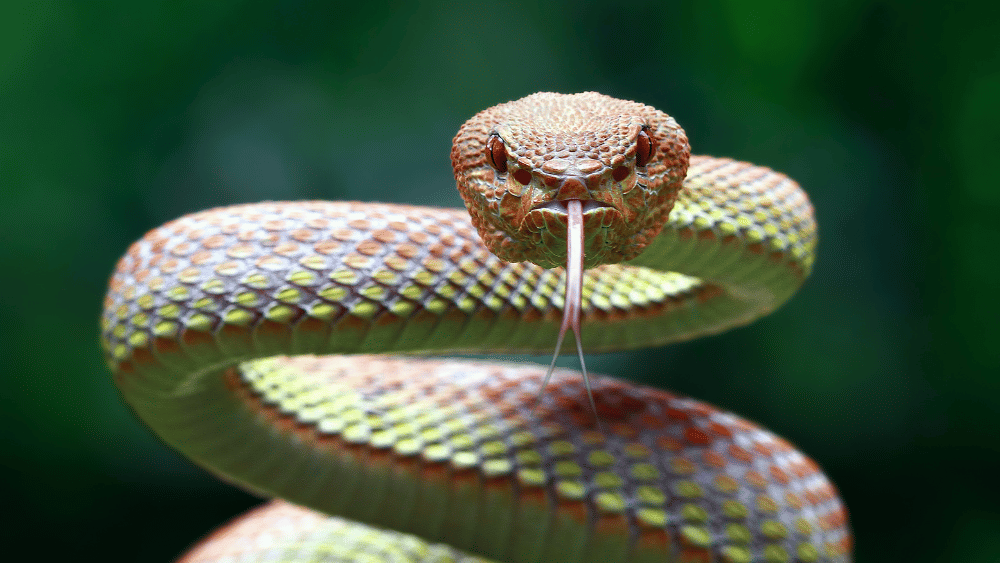
A snake bite is a terrifying event that often strikes without warning, turning a peaceful outdoor moment into a potential medical crisis. That is why the response must begin immediately with informed first aid. But what would you do if you were alone on a trail and didn’t know whether to apply a tourniquet or keep the limb still? Hesitation or using outdated methods like sucking out venom may prove fatal or lead to permanent tissue damage if not managed correctly. That is why you must learn how to provide snake bite first aid as a bridge to professional medical care.
This article discusses snake bites, their immediate first aid protocols, and other details crucial for treatment and prevention.
Understanding Snake Bites
Globally, snake bites are a significant public health issue, with the World Health Organization estimating that 5.4 million snake bites occur each year. From these incidents, roughly 2.7 million result in envenoming, leading to between 81,000 and 138,000 deaths annually. While many encounters happen in remote, rural areas affecting agricultural workers, snake bites are also a common risk for hikers, campers, and outdoor enthusiasts in suburban regions.
Most snake bites occur on the extremities, such as the ankles, lower legs, and hands, often resulting from accidental interaction or provoking the animal. While not all snakes are venomous, distinguishing between a harmless species and a deadly viper or elapid can be difficult in the heat of the moment. Therefore, treating every bite as a potential medical emergency is the safest course of action. Rapid intervention prevents the systemic spread of toxins that can cause paralysis, hemorrhage, or irreversible organ failure.
Different Types of Snake Bites
Snake bites inject varying amounts of venom—or sometimes none at all—which creates a high degree of variability in injury severity. Did you know that snake bites are generally categorized into four distinct levels of envenomation? These levels depend on the snake species, the duration of the bite, and the volume of venom injected, requiring different medical responses.
Dry Bites (No Venom Injection)
It is the least severe type of snake bite, occurring when a venomous snake strikes but does not inject any venom into the victim. This is often described as a “warning shot” by the snake. Although no toxins enter the bloodstream, the mechanical trauma of the fangs puncturing the skin still poses a risk. You may call it a puncture wound that primarily requires cleaning and monitoring.
Even without venom, dry bites carry a significant risk of secondary infection from bacteria present in the snake’s mouth or on the victim’s skin. Tetanus is also a concern. Therefore, even if no symptoms of poisoning appear, medical evaluation is necessary to rule out delayed envenomation and treat the wound itself.
Mild Envenomation
In mild envenomation, the snake injects a small amount of venom into the victim’s tissue. This typically results in localized symptoms restricted to the area immediately surrounding the bite mark. Victims often experience intense, burning pain, swelling, and redness within minutes of the attack.
Mild envenomation rarely leads to systemic organ failure or life-threatening conditions immediately, but the tissue damage can still be significant. It usually happens when a snake strikes defensively but quickly retracts. Victims must still be observed in a hospital setting, as mild symptoms can sometimes progress to more severe stages over several hours.
Moderate Envenomation
A moderate envenomation occurs when the snake injects a sufficient quantity of venom to cause symptoms that spread beyond the immediate bite site. The swelling may progress up the bitten limb, moving from the foot toward the knee or the hand toward the elbow. In this context, systemic symptoms begin to manifest alongside local pain.
Victims may experience waves of nausea, vomiting, dizziness, and weakness. There might be signs of coagulopathy, where the blood struggles to clot, leading to oozing from the wound or gums. These attacks often require administration of antivenom to halt the progression of tissue destruction and systemic toxin spread.
Severe Envenomation
A severe envenomation involves a massive injection of venom, leading to rapid and life-threatening complications. These injuries are critical and involve profound systemic reactions such as respiratory paralysis, kidney failure, or severe internal bleeding. In this case, the snake may have held on for a longer period, or the victim may have a lower body weight, thereby absorbing a higher concentration of toxin.
Severe envenomation frequently leads to shock and cardiovascular collapse. Immediate and aggressive emergency care, including large doses of antivenom and life-support measures, is required to prevent fatality. Survivors may face long-term complications such as tissue necrosis or muscle damage.
Steps to Follow for Snake Bite First Aid
Treating a snake bite should start with ensuring the victim’s safety and preventing further attacks. Panic is the enemy of survival in this scenario; high stress accelerates heart rate, allowing venom to circulate more quickly. Contact emergency services immediately if you are in an area with cell reception.
Follow these steps to provide first aid to any snake bite victim near you:
Ensure Safety
The very first step is to move the victim and yourself out of the snake’s striking distance. Snakes can strike across a distance equal to half their body length. Retreat to a safe location immediately. Do not attempt to capture, kill, or handle the snake for identification purposes. A severed snake head can still bite reflexively, and trying to catch the animal puts you at risk of becoming a second victim. Take a photo from a safe distance if possible, but do not waste time.
Keep the Victim Calm and Still
Once you are out of immediate danger, ensure the victim lies down and remains as calm as possible. Anxiety and physical movement increase the heart rate, which pumps venom through the lymphatic system and bloodstream more rapidly. Reassure the victim that snake bites are treatable. Keeping them stationary is the single most effective way to delay the toxin’s spread until help arrives.
Immobilize the Affected Limb
Immobilize the bitten limb using a splint or sling to restrict movement. If the bite is on the arm, keep it close to the body; if on the leg, splint it to the other leg to prevent bending or walking. Ideally, position the bite wound below the heart. This gravitational assistance helps slow the return of venous blood and lymphatic fluid towards the body’s core organs. Do not elevate the limb, as this can accelerate the flow of venom into the bloodstream.
Do Not Attempt to Suck Out Venom
Avoid dangerous folklore remedies. Do not cut the wound with a knife, and do not attempt to suck out the venom with your mouth or a suction device. These methods are ineffective and often introduce harmful bacteria into the wound, leading to infection. Furthermore, cutting the skin can damage nerves, tendons, and blood vessels, complicating the injury. Also, avoid applying ice or a tourniquet, as restricting blood flow entirely can cause gangrene and result in the loss of the limb.
Seek Immediate Medical Help
Time is tissue. Transport the victim to the nearest emergency medical facility as quickly and safely as possible. If you are waiting for an ambulance, monitor the victim’s vital signs and the progression of swelling. Use a pen to mark the edge of the swelling on the skin and write the time next to it; repeat this every 15 to 30 minutes. This information provides doctors with critical data on how fast the envenomation is progressing.
What Does Snake Bite Treatment Include?
Snakebite therapy often begins with first aid in the field, but invariably requires sophisticated medical intervention in a hospital. The treatment plan will depend heavily on the snake species, the venom’s potency, and the elapsed time since the bite. Hence, a snake bite treatment generally includes:
Antivenom Administration
The primary and most effective treatment for significant envenomation is antivenom. Doctors will administer this intravenously to neutralize the toxins circulating in the blood. It is most effective when given within the first few hours of the bite. The type of antivenom used depends on the snake species, which is why identifying the snake (safely) can be helpful, though doctors can often determine the kind of venom based on clinical symptoms. Patients are monitored closely during this process for potential allergic reactions to the serum.
Wound Care
Proper cleaning and dressing of the bite site are essential to prevent secondary bacterial infections. Medical staff will thoroughly clean the puncture wounds and may perform debridement if there is necrotic (dead) tissue. In cases of severe swelling, surgeons may need to monitor limb compartment pressure. If the pressure becomes dangerously high, cutting off blood supply to the muscle, a surgical procedure called a fasciotomy may be required to relieve the pressure and save the limb.
Symptom Management
Supportive care plays a huge role in recovery. This includes powerful pain relief medication, as snake bites can be excruciating. Intravenous fluids are often given to maintain blood pressure and protect the kidneys, which can be damaged by certain venoms. Doctors will also constantly monitor blood coagulation profiles and respiratory function. In severe cases involving neurotoxins, a ventilator may be necessary to breathe for the patient until the paralysis subsides.
Preventing Snake Bites
Anyone can reduce the risk of snake bites by adopting specific behavioral changes and environmental awareness. Most importantly, you must understand that snakes generally bite only when threatened or surprised. Now, here are some ways to prevent a snake bite:
Wear Protective Gear
When hiking, camping, or working in areas known to be snake habitats, dress defensively. Wear tall, sturdy leather boots and long pants made of heavy material like denim. For high-risk areas, consider wearing specialized snake-proof gaiters that cover the lower legs. This armor can prevent fangs from penetrating the skin if you accidentally come into contact with a snake. Never walk barefoot or in sandals in tall grass or rocky areas.
Avoid Provoking Snakes
Respect the animal’s space. Never attempt to handle, poke, or move a snake, even if it appears sluggish or dead. Many bites occur when people try to kill a snake or push it off a path. Suppose you encounter a snake, back away slowly and give it a wide berth. Remember that snakes are often camouflaged and may be closer than you think, so never reach your hands into crevices, under rocks, or into hollow logs without checking first.
Be Aware of Surroundings
Vigilance is your best defense. Stay on clear, established trails where you can see where you are stepping. Avoid walking through tall grass, heavy brush, or piles of leaves where snakes may be hiding. Be extra cautious when climbing over rocks or fallen trees; step onto them rather than over them, as a snake might be coiled on the other side. Use a flashlight when walking at night, as many venomous snakes are nocturnal and more active during cooler evening hours.
Final Thoughts on Snake Bite First Aid
Treating a snake bite involves a combination of staying calm, immobilizing the limb, and getting to a hospital immediately. The priorities are to limit the spread of venom and to avoid harmful home remedies such as tourniquets or cutting the wound. Remember, the definitive treatment for envenomation is antivenom, which can only be administered by medical professionals.
Make sure that the victim reaches an emergency room as soon as possible, regardless of whether the bite looks severe initially. Symptoms can escalate rapidly, and early intervention is key to survival and limb function. Your quick thinking and adherence to proper safety protocols can make the difference between a painful recovery and a tragic loss.
If you want to feel more confident in the outdoors, consider enrolling in a wilderness first-aid course. This training will equip you with the practical skills to handle snake bites and other emergencies effectively while exploring the wild.