
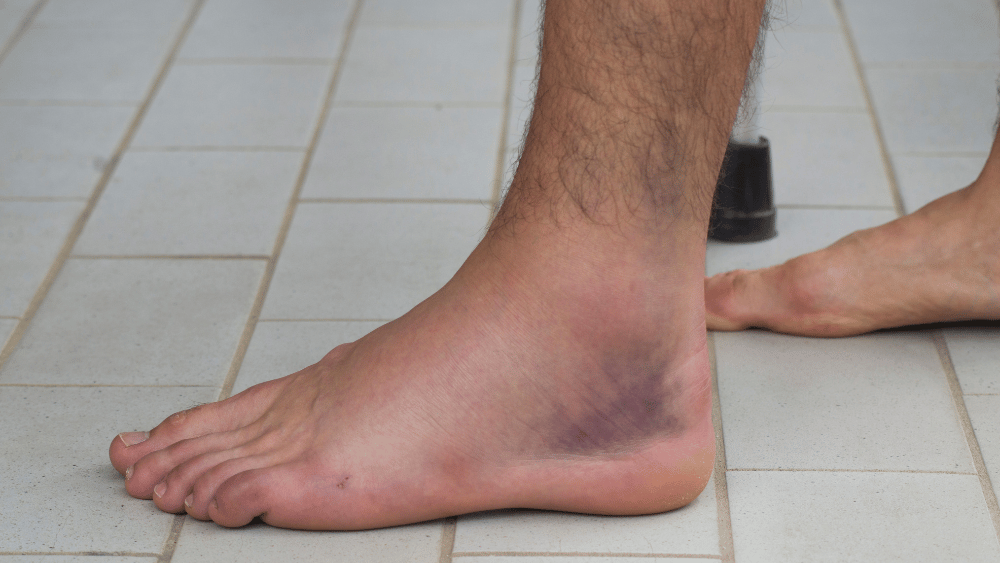
A sprained ankle is an excruciating and limiting injury that affects the ligaments holding the ankle bones together. It is one of the most common musculoskeletal injuries, usually occurring when the foot twists, rolls, or turns awkwardly due to accidents, sports injuries, or simple missteps on uneven ground. These injuries can significantly disrupt your daily routine, making basic movements like walking, driving, or even standing difficult and uncomfortable.
Because ankle sprains can happen to anyone—from elite athletes to someone simply walking down the street—understanding the basics of first aid is vital. Proper immediate care can prevent chronic instability and other complications. Ankle sprains account for a massive number of emergency room visits annually. Therefore, precise diagnosis and effective treatment are crucial before the condition leads to long-term joint issues. In this guide, we will explore the diagnosis, first aid, and treatment of sprained ankles.
How to Diagnose a Sprained Ankle?
To effectively treat a sprained ankle, one must first obtain an accurate diagnosis through a combination of clinical evaluation, imaging studies, and sometimes specialized testing. Prompt identification of the severity is essential to prevent long-term joint issues. Here is how healthcare professionals typically approach the diagnosis:
Clinical Assessment:
Patient History: The doctor will inquire about the specific mechanism of injury—such as whether the ankle rolled inward or outward—and the intensity of pain, as well as any “popping” sound heard at the moment of impact.
Physical Examination: The physician will palpate the ankle to check for specific points of tenderness, significant swelling, and bruising. They will also gently assess the range of motion and weight-bearing capacity to gauge the severity of the injury.
Imaging Studies:
X-rays: Conventional X-rays are usually the initial imaging modality. While they do not show ligaments, they are critical for ruling out bone fractures or avulsion fractures that often mimic sprain symptoms.
MRI: Magnetic Resonance Imaging (MRI) provides high-resolution images of soft tissues. It is beneficial for severe or persistent sprains to evaluate the extent of ligamentous tears and damage to cartilage and tendons.
Ultrasound: Diagnostic ultrasound can be employed for point-of-care assessment. It allows the doctor to observe ligament stability and integrity in real time as the ankle is gently moved, offering immediate insights.
Specialized Tests:
Doctors may perform specific physical stress tests, such as the anterior drawer test or the talar tilt test. These manual maneuvers help evaluate the mechanical stability of the ankle ligaments and identify the specific grade of the sprain.
Differential Diagnosis:
It is crucial to differentiate a simple sprain from other conditions. The diagnosis must rule out fractures, tendon ruptures (like the Achilles), nerve damage, or underlying arthritis that could complicate recovery.
Consultation:
Depending on the injury’s complexity, such as high ankle sprains or fractures, consultation with specialists, such as orthopedic surgeons or sports medicine doctors, may be warranted to ensure comprehensive management and recovery.
What is the First Aid for a Sprained Ankle?
Administering appropriate first aid immediately after an ankle injury can significantly reduce pain, minimize swelling, and speed up healing. While professional medical treatment is often needed, immediate home care provides stability until you can see a doctor.
- Rest and Immobilization: Encourage the individual to stop moving immediately to prevent further damage. Resting the ankle is crucial; avoid putting weight on the injured foot to allow the healing process to begin.
- Ice Application: Apply a cold pack or ice wrapped in a cloth to the affected area for 15-20 minutes. This helps constrict blood vessels, significantly reducing inflammation and numbing the pain.
- Compression: Wrap the ankle with an elastic bandage to provide support and control swelling. Ensure the wrap is snug enough to offer stability but not so tight that it cuts off circulation to the toes.
- Elevation: Keep the injured ankle elevated above the heart level, especially when sitting or lying down. This uses gravity to drain excess fluid away from the injury, effectively reducing swelling and bruising.
- Pain Relief: Administer over-the-counter pain relievers, such as ibuprofen or acetaminophen, to manage discomfort and reduce inflammation, provided there are no contraindications for the patient.
- Seek Medical Attention: Advise the individual to consult a healthcare provider if the pain is severe, if there is visible deformity, or if they cannot bear any weight on the leg after the injury.
Conclusion
The successful treatment for a sprained ankle requires a multidisciplinary approach. It involves collaboration between healthcare professionals, effective communication, and the patient. It is essential to adhere to evidence-based practices regarding rehabilitation and rest. Empowering individuals and increasing awareness of first aid for sprained ankles can facilitate timely intervention and management of this common yet challenging injury.