

If you have ever felt constantly exhausted or unusually weak, you might be experiencing anemia. Most importantly, anemia reduces the amount of oxygen reaching your tissues, which can even strain major organs like the heart. Poor nutrition, chronic diseases, or genetic disorders usually cause anemia. However, it is also possible to develop anemia without a clear initial cause. A few people can consult their regular doctor for mild symptoms. However, individuals with more severe fatigue, shortness of breath, or chest pain should seek immediate medical care. Let’s learn everything you need to know about anemia treatment, its causes and symptoms, and even how to prevent this condition in the first place.
What is Anemia?
Anemia occurs when your blood lacks enough healthy red blood cells or hemoglobin to carry adequate oxygen to your body’s tissues. People with chronic illnesses or nutritional deficiencies also have an increased risk of this condition. Women who are menstruating or pregnant may also have a higher chance of developing anemia compared to other groups.
You rarely need invasive procedures to treat common forms of anemia unless the underlying cause involves severe internal bleeding. However, a few types can have life-threatening complications. Thus, you must visit a healthcare provider if you experience symptoms such as persistent fatigue, pale skin, or irregular heartbeats.
Numerous types of anemia exist, but the most common ones include iron-deficiency anemia, vitamin-deficiency anemia, aplastic anemia, and hemolytic anemia.
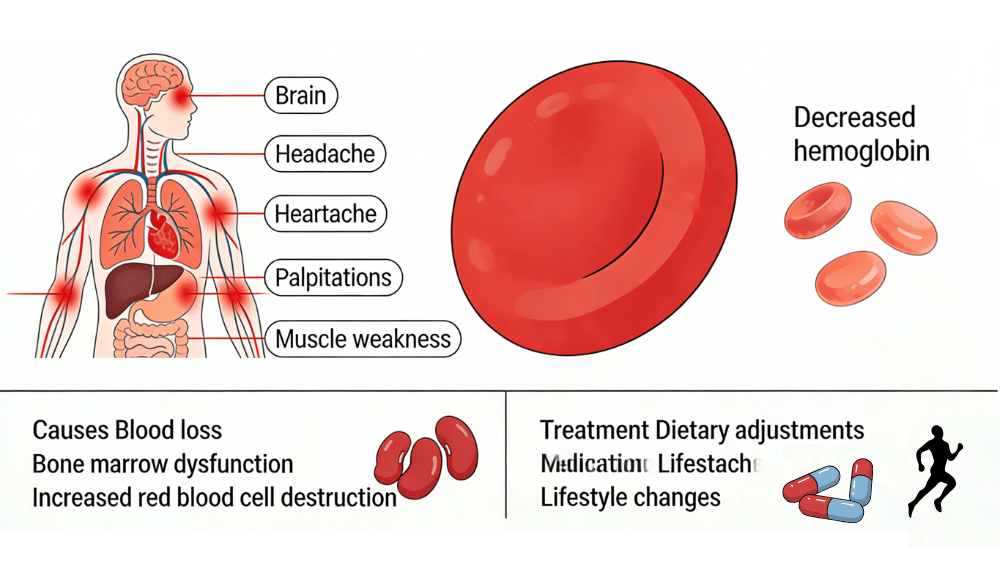
6 Common Causes of Anemia
The body relies on red blood cells to transport oxygen from the lungs to the rest of the body. You can develop anemia when something disrupts red blood cell production or destroys these cells. This can occur usually in the form of nutritional gaps or medical conditions. The most common causes include:
Iron Deficiency
This is the most common cause worldwide. It happens when your body doesn’t have enough iron to produce hemoglobin for red blood cells. This can be due to blood loss, such as heavy menstrual bleeding, an ulcer, or cancer, and frequent use of some over-the-counter pain relievers.
Vitamin B12 or Folate Deficiency
Besides iron, your body needs folate and vitamin B12 to produce enough healthy red blood cells. A diet lacking these and other key nutrients can lead to decreased red blood cell production. Additionally, some people who consume sufficient B12 are unable to absorb it.
Chronic Diseases
Certain chronic conditions can interfere with red blood cell production. Diseases such as cancer, HIV/AIDS, rheumatoid arthritis, kidney disease, Crohn’s disease, and other chronic inflammatory diseases can interfere with the production of red blood cells.
Blood Loss
Red blood cells can be lost through bleeding, which can occur slowly over a long period and go undetected. This happens particularly from gastrointestinal conditions such as ulcers, hemorrhoids, gastritis, or cancer. It also frequently results from heavy menstruation in women.
Genetic Conditions
Several inherited forms of anemia exist, such as sickle cell anemia. This is caused by a defective form of hemoglobin that forces red blood cells to assume an abnormal crescent (sickle) shape. These abnormal cells die prematurely, leading to a chronic shortage of red blood cells.
Bone Marrow Disorders
A variety of diseases, such as leukemia and myelofibrosis, can cause anemia by affecting blood production in your bone marrow. The effects of these types of cancer and cancer-like disorders vary from mild to life-threatening.
How Do You Identify Anemia?
Anemia can cause significant fatigue and may require medical attention to manage effectively. That is why you should look out for some signs and symptoms associated with low red blood cell counts. The most common anemia symptoms include:
Fatigue and Weakness
One of the most noticeable symptoms of this condition is an overwhelming sense of tiredness that doesn’t go away with rest. The fatigue is caused by your organs not getting enough oxygen to function correctly, leading to general weakness.
Pale or Yellowish Skin
When you have anemia, your skin might lose its healthy tone. This happens because hemoglobin gives blood its red color, so low levels make the skin look pale or even yellowish (jaundice) due to the breakdown of red blood cells.
Shortness of Breath
The lack of oxygen-rich blood can make it difficult to catch your breath, leading to a sensation of gasping for air. This happens especially during physical activity like climbing stairs, as your body demands more oxygen than your blood can provide.
Dizziness or Lightheadedness
Feeling unsteady or feeling like you might faint is a symptom of anemia. This difficulty may arise from the brain receiving less oxygen than it requires, leading to sudden spells of dizziness.
Cold Hands and Feet
Poor circulation resulting from a lack of red blood cells can leave your extremities feeling cold. This occurs because the body prioritizes delivering limited oxygenated blood to vital organs like the heart and brain, leaving the hands and feet with less blood flow.
Chest Pain or Rapid Heartbeat
Your heart has to work harder to pump oxygen through the body when you are anemic. This can lead to an irregular heartbeat (arrhythmia), palpitations, or even chest pain as the heart struggles to meet the body’s demands.
What Complications Are Associated With Anemia?
Untreated anemia can often cause damage to your major organs and overall health. The likelihood of these sufferings happening is higher if the condition is left undiagnosed for a long time. The complications associated with severe anemia can be many, which include:
Severe Fatigue: Advanced anemia can make you so tired that you cannot complete everyday tasks. Extreme exhaustion can impact your ability to work or care for yourself.
Pregnancy Complications: Pregnant women with folate deficiency anemia may be more likely to experience complications, such as premature birth. It also increases the risk of low birth weight and postpartum depression.
Heart Problems: Anemia can lead to a rapid or irregular heartbeat (arrhythmia). When you are anemic, your heart must pump more blood to compensate for the lack of oxygen. This can lead to an enlarged heart or heart failure.
Delayed Growth: In infants and children, severe iron deficiency anemia can lead to delayed growth and development. It can also cause behavioral issues and increase susceptibility to infections.
Increased Infections: Nutritional anemias, such as those caused by vitamin deficiencies, can affect the immune system. This leaves the body more vulnerable to infections and makes it harder to recover from illnesses.
Restless Legs Syndrome: Some studies have linked iron deficiency anemia to restless legs syndrome. This is a strong urge to move the legs, especially at night, which can severely disrupt sleep.
Cognitive Issues: A lack of oxygen to the brain can lead to difficulties with concentration and memory. In children, this can affect learning abilities and school performance.
Death: Some inherited anemias, such as sickle cell anemia, can be serious and lead to life-threatening complications. Losing a lot of blood quickly results in acute, severe anemia and can be fatal.
What Diagnostic Techniques Are Used for Anemia?
A healthcare provider usually diagnoses anemia based on medical history and a physical exam. A few of them might use blood tests to check for specific deficiencies or underlying conditions. These include the following:
Complete Blood Count (CBC)
A CBC is the primary blood test used to diagnose anemia. It measures red blood cell and hemoglobin levels in your blood. It allows doctors to see if your counts are lower than usual and helps determine the severity of the anemia.
Peripheral Blood Smear
This test enables your healthcare provider to examine the shape and size of your red blood cells under a microscope. It helps identify if the cells are misshapen, which can point to specific types of anemia ,like sickle cell or vitamin deficiencies.
Iron Studies
These tests measure the amount of iron in your blood and your body’s iron stores. A healthcare provider runs these tests if a CBC suggests iron deficiency. They help confirm if low iron intake or absorption is the root cause.
Vitamin B12 and Folate Levels
Blood tests can measure the levels of these vitamins. This helps determine if a nutritional deficiency is causing the anemia, which is common in people with poor diets or absorption issues.
Bone Marrow Biopsy
In rare cases, a bone marrow biopsy may be needed to detect bone marrow disorders. This technique involves removing a small sample of bone marrow fluid and tissue. While it’s not as common as blood tests, it is beneficial for diagnosing unexplained anemia or conditions like leukemia.
How Doctors Treat Anemia
Anemia treatment often depends on the specific cause of the condition. Your red blood cell levels must be restored to normal. You might also have to stay in the hospital if your anemia is severe or caused by significant blood loss. Mild anemia can be treated with dietary changes and oral supplements. Your healthcare provider will inform you how much iron or vitamins to take. However, it is usually recommended to take supplements with orange juice to increase absorption.
You may also have to treat the underlying condition causing the anemia. This helps prevent anemia from returning and keeps your overall health stable. You may also need to stop taking certain medications if they are contributing to the problem. Additional treatment options for anemia include the following:
Dietary Changes and Supplements
The most common forms of anemia require nutritional support. Your doctor will recommend increasing your intake of iron, B12, and folate. Then, they may prescribe supplements to boost your levels faster. They usually recommend iron-rich foods like spinach, red meat, and lentils.
Medical Procedures
Severe cases may require more direct intervention.
- Blood Transfusions: For severe anemia, this procedure quickly boosts red blood cell counts to replace those lost.
- Plasmapheresis: A procedure used to filter the blood, sometimes used for rare autoimmune anemias.
- Bone Marrow Transplant: This is necessary for severe conditions such as aplastic anemia, in which the body stops producing new blood cells.
Medications
Certain drugs can help stimulate red blood cell production.
- Erythropoiesis-stimulating agents (ESAs): These are injections that help the bone marrow produce more red blood cells, often used for kidney disease.
- Immunosuppressants: These may be used to stop the immune system from attacking red blood cells.
Recovery Time for Anemia
Treatment for anemia takes time. Previously, people assumed that taking a few supplements would fix the issue in a week or two. However, research suggests that it takes several months to replenish iron stores and restore healthy red blood cell levels.
If you have mild nutritional anemia, you can recover at home with diet and supplements. However, in more serious cases involving chronic disease or genetic disorders, management may be lifelong. During the healing process, healthcare professionals recommend regular blood tests to monitor progress.
Self-Care for Anemia
Self-care is the most important aspect for a quick recovery from the fatigue and weakness caused by anemia. The following are a few self-care tips for managing anemia:
You can adjust your diet to include more iron-rich foods to boost hemoglobin production. Before making drastic changes, consult a nutritionist or doctor to ensure you are getting the right balance of nutrients.
Sometimes, anemia can lead to dizziness and falls. Your healthcare provider may recommend moving slowly when standing up to prevent these accidents. The process involves sitting on the edge of the bed for a moment before rising.
When taking iron supplements, you can try taking them with vitamin C to improve absorption, and avoid calcium-rich foods like milk at the same time, as calcium blocks iron absorption.
Please note that if you have severe anemia, you should not participate in strenuous activities until your doctor gives you the all-clear.
Understanding Anemia for a Healthier Life!
Anemia may range from a temporary dip in iron levels to a lifelong condition requiring management. The most important step here is to have your blood levels checked by a healthcare provider. You must contact your healthcare provider about symptoms such as fatigue or dizziness as soon as you notice they are affecting your daily life.
This also involves getting regular check-ups if you are pregnant or have a chronic illness. You must always approach a healthcare professional with experience in treating blood disorders. Make sure to follow your treatment plan and adjust your lifestyle if needed.