
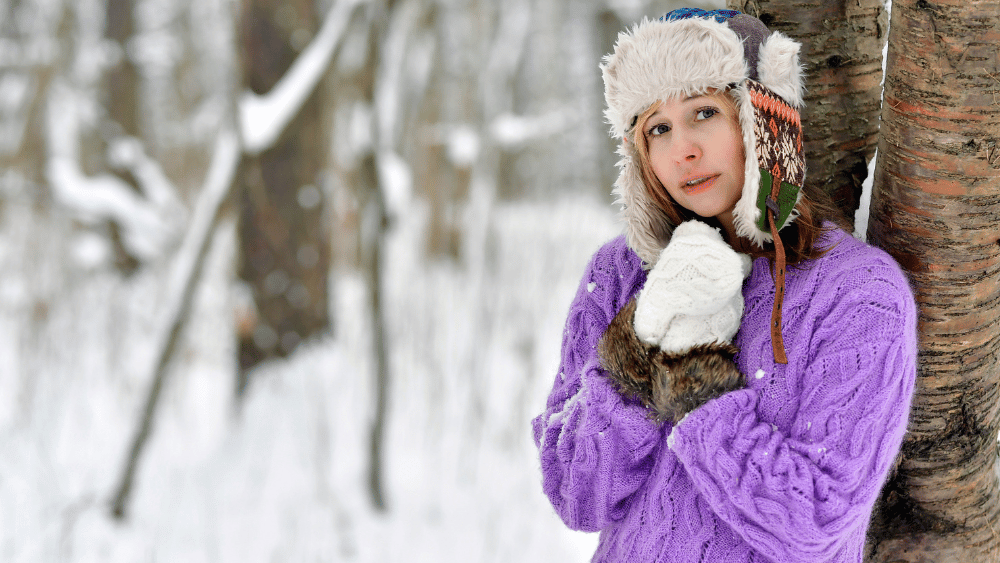
Winter’s arrival ushers in a rich tapestry of sights, scents, and traditions: the crisp air bites at your cheeks as you step outdoors, snow carpets front lawns, and communities gather for holidays and cozy nights in. Yet beneath the charm lies another side of the season—one filled with unique health challenges. The colder months test our bodies and minds in subtle but significant ways. Increased indoor time raises the risk of spreading infections, chilly darkness can dampen our spirits, and sudden storms or icy roads heighten the risk of slips, falls, and accidents.
Recognizing these challenges is the first step to taking control of your well-being. Winter doesn’t just call for another sweater—it demands a strategic approach to health. For some, it may be boosting immunity; for others, protecting mental health or supporting neighbors facing harsh conditions. By embracing an informed, proactive mindset, you can transform the season from a source of stress into an opportunity for growth and resilience. This guide explores the essentials of winter wellness, blending expert strategies, practical tips, and community wisdom so you can move confidently through even the frostiest months.
Why Winter Health Awareness Matters
Focusing on personal and community health during winter is more than a seasonal concern—it’s about survival, vitality, and collective security. Let’s break down why keeping winter health in the spotlight can be life-changing.
Preventing Seasonal Illnesses
Every winter, hospitals brace for a surge. In many places, flu season arrives like clockwork, overwhelming emergency rooms and increasing the risk for those who are young, elderly, or vulnerable. Preventing illness is not just a personal matter—it lightens the load for families, healthcare workers, and communities alike.
Vaccinations remain a front-line defense. Annual flu shots reduce the risk of serious illness and hospitalization. Yet, public health also hinges on people practicing simple but powerful habits—washing hands vigorously, disinfecting frequently touched surfaces, using tissues, and staying home when feverish. The COVID-19 pandemic reinforced the value of these measures, showing how they can lower infection rates across many respiratory diseases.
Beyond viruses, winter can exacerbate chronic conditions. Cold air constricts blood vessels, which can push those with heart or lung issues toward medical emergencies. Understanding your risk and preparing ahead—by getting check-ups, refilling prescriptions early, and knowing when to seek help—makes all the difference.
Preventing seasonal illnesses goes beyond just getting a flu shot. It’s about creating a barrier between yourself and disease on multiple fronts: keeping your immune system robust with proper rest, reducing unnecessary exposure to crowds during virus spikes, and regularly updating family and personal health plans. Know your family’s medical histories and keep an emergency contact list up to date; winter is also a time to make sure insurance cards and documentation are accessible in case of an emergency. Community flu shot campaigns, local pharmacies with free clinics, and pop-up vaccination drives are less about hype and more about building collective resilience throughout the season.
Addressing Mental Health in Winter
Mental health can suffer in silence during the darker months. The physiological effects of limited sunlight, compounded with emotional stress or social isolation, can set the stage for depressive episodes, particularly Seasonal Affective Disorder (SAD). But for many, SAD is just one thread in a complex winter web—stress, anxiety, grief, and loneliness all intensify when routines shift and time with loved ones wanes.
Awareness campaigns break through stigma, urging people to view mental health as integral to overall wellness. Sharing your experience, talking with friends, or joining virtual support groups can lighten the emotional load. Public initiatives remind us to check in on neighbors, colleagues, and even strangers. Self-compassion is key—be gentle with yourself about reduced productivity or low motivation.
Promoting mental wellness goes beyond medicine. Integrating daily movement, regular sleep, mindful breaks, and exposure to daylight are proven strategies. If symptoms persist, talking with a primary care provider or a mental health professional can restore balance and hope.
Winter is notorious for amplifying hidden stressors. Financial worries due to heating bills, changes in work schedules, childcare dilemmas on snow days, or the weight of holiday obligations can strain even the most resilient. Participating in mental health webinars, using employee assistance programs, or simply reaching out to someone who understands can make an enormous difference. Mindfulness apps and winter-specific journaling prompts are small, everyday tools that help maintain perspective and routine.
Cities and towns that invest in accessible counseling—sometimes through telehealth, especially on stormy days—provide a vital safety net. Schools, workplaces, and religious institutions can be powerful actors in destigmatizing mental health through workshops and resource-sharing. Remember, mental well-being is not a luxury; it is a lifeline through the season’s darkest days.
Building Community Support
No one should brave winter’s challenges alone. Community support often determines who withers safely in the season. Local organizations offer a lifeline: coat and blanket drives, outreach for elderly residents, meal deliveries, or virtual wellness workshops. Even a small neighborhood group can coordinate check-ins for at-risk individuals on frigid days, ensuring no one is left behind.
For the most vulnerable—people experiencing homelessness or food insecurity—winter is a perilous time. Volunteering at shelters or donating supplies directly supports survival. Community-based health initiatives may focus on distributing free thermometers, hand sanitizers, or cold medications. Trust networks also help debunk misinformation about vaccines or treatments, which is vital during winter surges.
Care doesn’t end with basic needs. Social connection is just as vital. Online hobby groups, local book clubs, or “call-a-friend” programs have sprung up in response to pandemic isolation, proving that support and belonging are always within reach.
What truly strengthens communities is a mix of planning and empathy. City governments may set up “warming centers” for those without adequate shelter, and some libraries or recreational facilities stay open as safe havens during extreme cold spells. Faith-based groups and businesses sponsor community soup kitchens, food pantries, or neighborhood gift exchanges focused on winter gear.
Beyond material support, building “social capital” is equally important. Checking in on a neighbor, helping dig out a parking spot, or navigating a virtual grief group when someone is lost to illness—all these weave the fabric that keeps communities strong and resilient. Sometimes, a simple act like offering a cup of tea or inviting someone for a socially distanced walk can be a lifeline for someone struggling with isolation.
Encouraging Long-Term Healthy Habits
Winter, with its natural pause on outdoor distractions, is ideal for building new routines or cementing lifelong habits. The shorter days and predictable challenges can prompt a more structured approach to self-care. Inside, you might experiment with meal planning, try indoor workout videos, or start a journaling practice to track gratitude or sleep.
Health campaigns and challenges—like a “30-Day Home Fitness Streak” or “Soup Sundays”—offer social motivation. Winter also brings a bounty of vegetables, such as squash, kale, and root crops, perfect for hearty, immune-boosting meals. Use this time to learn about nutrition labels, experiment with vitamin-rich recipes, or minimize processed foods that lower immune resilience.
Finally, reflecting on what works for you each winter can make future cold seasons smoother. Keeping a winter health journal, documenting mood swings, triggers, illness patterns, or successes, empowers you to spot trends and plan better next year.
Some families make winter wellbeing a tradition, setting up family walks after dinner or “no screens after 9 p.m.” zones to ensure adequate rest. Committing to hydration is a valuable goal, as dry heated air can lead to dehydration without obvious cues. Apps and trackers can encourage regular stretching, hydration reminders, or creative expression, lending gamified fun to otherwise challenging routines.
Local wellness workshops—whether in-person or streamed—allow people to share what works. Whether it’s batch cooking, group fitness, meditation, or crafting, these activities anchor us, provide structure, and reduce boredom and aimlessness that can accompany long months indoors.
The Big Themes of Winter: Health Essentials You Should Know
Winter tests body and mind in myriad ways, but knowledge is the best shield. These central themes shape how we prepare, prevent, and cope during the coldest months.
Cold and Flu Prevention
Flu and cold viruses thrive in winter’s close quarters. According to CDC estimates, flu-related hospitalizations can range from 140,000 to over 700,000 per year in the U.S. alone. A layered prevention strategy is critical.
- Vaccination: Prioritizing the annual flu vaccine and staying current with other recommended shots, such as COVID-19 boosters and pneumonia vaccines for seniors, is a cornerstone of public health protection. Many pharmacies, clinics, schools, and even workplaces now offer convenient, walk-in access to these immunizations.
- Personal Habits: Good hygiene remains timeless. Every time you touch a door handle or grocery cart, wash up afterward. Keep hand sanitizer in your bag or car. Avoid sharing drinking glasses. If you are ill, use disposable masks to protect others, even if you feel “just a little under the weather.”
- Boosting Immunity: Diet and lifestyle choices matter more than ever. A Mediterranean-inspired diet with colorful fruits (oranges, kiwis), leafy greens, beans, and nuts supports both immune and cardiovascular health. Probiotic-rich foods—like yogurt, kefir, and kimchi—support gut health, which plays a surprising role in immune response. Adequate sleep primes white blood cells to fight infection; aim for 7–9 hours per night.
- Household Readiness: Keep a winter medicine cabinet stocked—thermometers, fever reducers, saline nasal sprays, and chest rubs can spare you a trip to the pharmacy when symptoms strike. A digital thermometer and a pulse oximeter can be handy for monitoring fevers and blood oxygen during viral illnesses.
- Work and School Policies: Whenever possible, support remote work or flexible attendance for sick days. This benefits the entire group by preventing outbreaks and normalizing the importance of staying home when ill.
It’s also helpful to know the differences between cold, flu, COVID-19, and even RSV (a virus affecting young children and older adults) symptoms—having a quick symptom chart can help you decide when to test or seek care. Educational posters and infographics near the front door and bathroom mirror act as regular reminders.
Managing Seasonal Affective Disorder (SAD)
SAD affects millions worldwide, with women and younger adults particularly susceptible. Many experience symptoms gradually, often dismissing them as simply “winter blues.” Recognizing the difference between a passing slump and clinical depression is vital.
- Light Therapy and Natural Light: Position yourself near windows; open blinds during the day. Schedule walks at midday, when sunlight is most abundant, even if it’s cloudy. Light therapy lamps, which filter out UV but mimic natural brightness, can be transformative—ask your healthcare provider for guidance.
- Routine and Activity: Try to maintain regular sleep and meal schedules. Physical activity, especially in natural light, releases neurochemicals that counteract depression. Group exercise classes or winter-themed challenges (like daily stretching or step counts) add a social dimension.
- Diet and Supplements: Some research suggests that Vitamin D supplementation may reduce winter mood changes—check with your doctor if your mood remains low. Omega-3-rich foods such as salmon, walnuts, and chia seeds may also offer mild benefits for mood stabilization.
- Professional Support: Don’t hesitate to reach out for counseling or therapy—even brief interventions can make a dramatic difference. Cognitive behavioral therapy (CBT) is particularly effective for SAD. If medication is required, early planning helps ensure steady improvement as winter progresses.
It’s helpful to create a “mood toolbox” with resources: a playlist of uplifting songs, calming teas, guided meditation apps, and contacts for supportive friends or professionals. Encouraging regular, small celebrations—like cozy movie nights or “sunshine walks”—breaks up the monotony of long winter weeks. In schools and workplaces, awareness posters, workshop sign-ups, and group check-ins foster a culture of openness and care.
Heart Health in Cold Weather
Cardiovascular emergencies rise in winter. Harvard studies show deaths from heart attacks and strokes increase during colder months. This is due both to direct physical effects of cold (constricted vessels, elevated blood pressure) and increased exertion from shoveling snow or navigating slippery sidewalks.
- Prevention: Know your risk. Those with a history of hypertension, high cholesterol, heart disease, or diabetes should talk to their doctor about winter precautions and medication adjustments. If you engage in outdoor chores, warm up first, take frequent breaks, and dress in layers. Avoid tobacco, which further narrows blood vessels, and moderate alcohol—while it gives a sensation of warmth, it actually accelerates heat loss.
- Emergency Signs: Never ignore chest pain, shortness of breath, or dizziness. If symptoms occur, especially when exposed to cold or during exertion, seek emergency help immediately. Carry a cellphone or whistle when working outdoors alone.
- Lifestyle Habits: Keep moving—even gentle indoor exercise helps maintain heart health and manage weight when winter limits outdoor activities. Incorporate stretching, chair exercises, or simple resistance routines to maintain blood flow.
Heart health is also influenced by proper stress management. The holiday rush, financial worries, or the stress of severe weather can all trigger spikes in blood pressure. Practicing relaxation techniques, mindful breathing, or joining online heart health communities can buffer against these spikes. Using wearable devices to track heart rate and activity can help you stay on top of your progress and prompt medical attention if needed.
Asthma and Respiratory Health
Winter’s dry, frigid air can turn minor respiratory issues into major problems for those with asthma, COPD, or allergies. Indoor air pollution, from heating systems and holiday gatherings (candles, fireplaces, even cooking fumes), compounds the risk.
- Indoor Air Quality: Use HEPA filters or air purifiers if possible—regularly clean vents and change filters in heating systems. Maintain humidity levels at 30–50%—too dry, and airways become irritated; too damp, and mold thrives.
- Allergen Reduction: Wash bedding in hot water weekly. Keep pets out of bedrooms. Minimize carpets and heavy drapes, which harbor dust mites and allergens.
- Medication Management: Refresh asthma action plans annually with your healthcare team. Always carry an inhaler and know how to use a spacer device to improve medication delivery.
- Outdoor Protection: Limit outdoor time on high-pollution or frigid days. Breathing through a scarf or mask helps warm and humidify air before it hits your lungs.
Update your emergency plans for children or elders with respiratory issues by ensuring medications are stocked in advance of storms. Online support groups or telehealth services can provide reassurance and quick interventions before symptoms spiral out of control.
Eye Care During Winter
Many people underestimate the toll winter takes on eye health. Dry, itchy, or watery eyes can flare up due to arid indoor heat. Increased reading, screen use, and winter sports add their own challenges.
- Hydration and Humidity: Run a humidifier in bedrooms and workspaces. Take screen breaks every 20 minutes—look at something across the room for at least 20 seconds.
- Sun and Glare: Snow can reflect up to 80% of UV rays, much higher than grass or sand. UV exposure is cumulative, raising the risk of cataracts and macular damage. Wear wraparound sunglasses with UV protection during all outdoor activities, even on overcast days.
- Protective Gear: If skiing, snowboarding, or snowmobiling, use goggles that protect not just from sunlight but from wind, ice, and flying debris.
- Nutrition: Prioritize foods rich in Vitamin A, C, and E, as well as minerals like zinc, all of which support vision health (think carrots, spinach, oranges, and nuts).
If you wear contact lenses, consider switching to glasses when the air is arid, and use preservative-free eye drops if irritation occurs. Schedule a winter eye exam, especially if you notice any persistent vision changes, which can sometimes accompany underlying health conditions.
Preventing Winter Injuries
Winter sports, snow and ice, and even household chores raise the risk of accidents. According to CDC stats, accidental falls peak in winter, especially among older adults, but children and workers are at risk too.
- Slips, Trips, and Falls: Clear walkways promptly, use salt or sand liberally, and install handrails where possible. Footwear matters—opt for non-slip soles and good ankle support. Indoors, keep entryways dry and clutter-free.
- Frostbite and Hypothermia: Frostbite damages skin and nerves, first causing numbness, then severe pain and tissue death. Hypothermia develops when body temperature dips dangerously, leading to confusion, exhaustion, and eventually collapse.
- Recognize the warning signs—numb or white fingers and toes, shivering, slurred speech—and act immediately: move to warmth, remove damp clothing, and seek emergency care for severe cases.
- Safe Driving: Winter storms and black ice make travel hazardous. Prepare an emergency kit for your car (blankets, extra water, non-perishable food, flashlight, first aid kit, and sand or kitty litter). Top off fuel before storms, and always inform someone of your planned route.
Supervise children closely around ice, snowbanks, and frozen ponds, explaining the risks and teaching them basic safety. For families with elderly members, consider installing motion-activated outdoor lights to reduce the risk of falls at dusk or in the evening.
How to Stay Engaged and Informed This Winter
Lasting winter wellness is not only built at home; it thrives through active involvement and community ties. Here’s how you can spread knowledge and support while boosting your own well-being.
Join Local Health Campaigns
Each winter, local clinics, schools, and townhalls roll out relevant health events. These might include mobile vaccination vans, health fairs offering free screenings for blood pressure or cholesterol, or monthly wellness challenges. Schools often run hygiene workshops or “germ fighters” programs for children, emphasizing handwashing and cough etiquette through fun activities.
Finding these events is often as simple as visiting your community’s website, checking local library bulletin boards, or joining online neighborhood forums. If you’re passionate, consider helping to organize a drive: recruit volunteers, gather donations, or promote awareness days through flyers and digital announcements.
Some cities add creativity, like seasonal “Snowman Step Count” competitions or “Healthy Chili Cook-Offs,” bringing wellness into communal celebration. Faith organizations may host “Soup Saturdays” for the isolated, while university clubs set up hot drink stands alongside information booths on flu and mental health.
Share Health Tips Online
Leverage your online presence for good! Share reputable advice, infographics, and reminders from organizations like the CDC or local health authorities. Personal stories—sharing how you’re adapting holiday traditions for safety, or your experience with SAD—make information relatable and encourage others to take health seriously.
Organize digital “ask-the-expert” sessions or Q&A forums via social media, where local doctors, fitness trainers, or mental health counselors can connect with your network. Use hashtags like #WinterWellness, #HealthyHolidays, or #FluFighter to extend reach.
You can also curate and share resources—such as lists of local food banks, heating assistance programs, or virtual exercise groups—that are especially helpful for those less familiar with available support. Share quick, actionable tips: best winter walking routes, easy soup recipes for immune support, or reminders about winterizing your home to prevent accidents.
Support Vulnerable Populations
Look for ways to support those at the most significant risk. Adopt-a-senior programs or “buddy systems” match volunteers with elderly or disabled neighbors for winter check-ins. If your neighborhood has a community fridge or pantry, winter donations of shelf-stable soups, teas, or hand warmers go a long way.
Faith groups, youth organizations, and cultural clubs often sponsor meal deliveries or winter supply donations—pitch in wherever your skills or resources are needed. Your efforts can transform winter from a time of hardship into one of hope for those struggling most.
New initiatives like “Warm Line” phone services for the lonely or health workers arranging virtual support groups for people with chronic conditions help keep everyone connected and supported from afar. Paying utility bills in honor of a neighbor or anonymously sending a care package can have an outsized impact.
Host Winter Wellness Activities
Creativity brings people together, even at a distance or while bundled up indoors. Start a virtual “step challenge” or join a fitness app group to motivate each other to stay active. Plan themed online meetings—such as “soup swap” recipe nights or indoor gardening tutorials — to boost intake of fresh food during cold months.
If you’re a teacher or parent, engage kids with fun winter science projects, indoor obstacle courses, or mindfulness sessions. For companies, provide virtual workshops focused on postural health while working from home, or on dispelling myths about the flu vaccine.
Remember, encouragement is contagious. A single well-timed invite or wellness post can spark lasting healthy habits across your circle.
Organize book clubs centered on wellness topics, schedule “tea time” check-ins, or build a communal resource spreadsheet listing favorite YouTube fitness channels and self-care routines. Celebrate milestones, like reaching a combined community step total or raising funds for a local warming center.
Conclusion: Embrace a Healthy Winter
Winter will always come with a mix of wonder and challenge. By cultivating awareness, building meaningful health habits, supporting one another, and embracing the unique opportunities for reflection and renewal that the season offers, we can move through the darkest months with strength and energy.
Start small: set a sleep schedule, join a virtual health event, host a soup night with neighbors, or enjoy a brisk midday walk. Harness winter’s natural pause to develop skills, deepen bonds, and tend to your own physical and emotional health.
Every step you take toward winter wellness—however modest—contributes not only to your own resilience but to the joy, safety, and security of your entire community. Let this be the winter you step up, stay connected, and thrive—no matter what the thermometer reads outside.